Italian National Agency for New Technologies, Energy and Sustainable Economic Development

MEDIA - Press office ENEA
Press releases and news
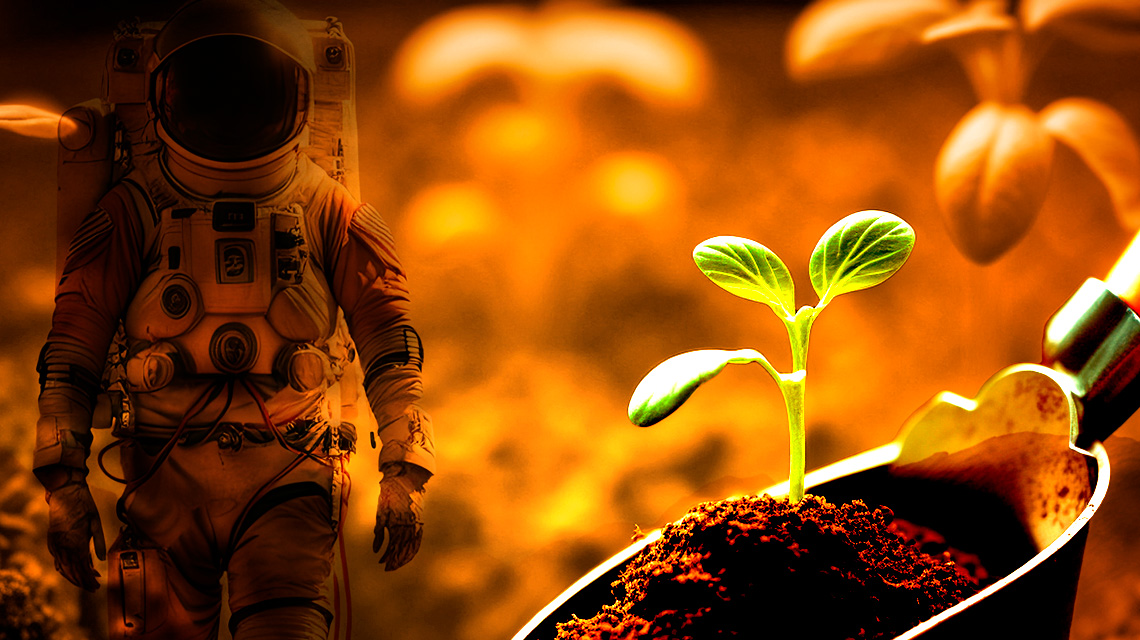
ENEA is participating to an international mission AMADEE-24, Mars analog simulation in Armenia, which employs six astronauts for human-robotic surface activities and scientific experiments in several fields, such as geosciences, robotics, engineering, human factors, life sciences and astrobiology.
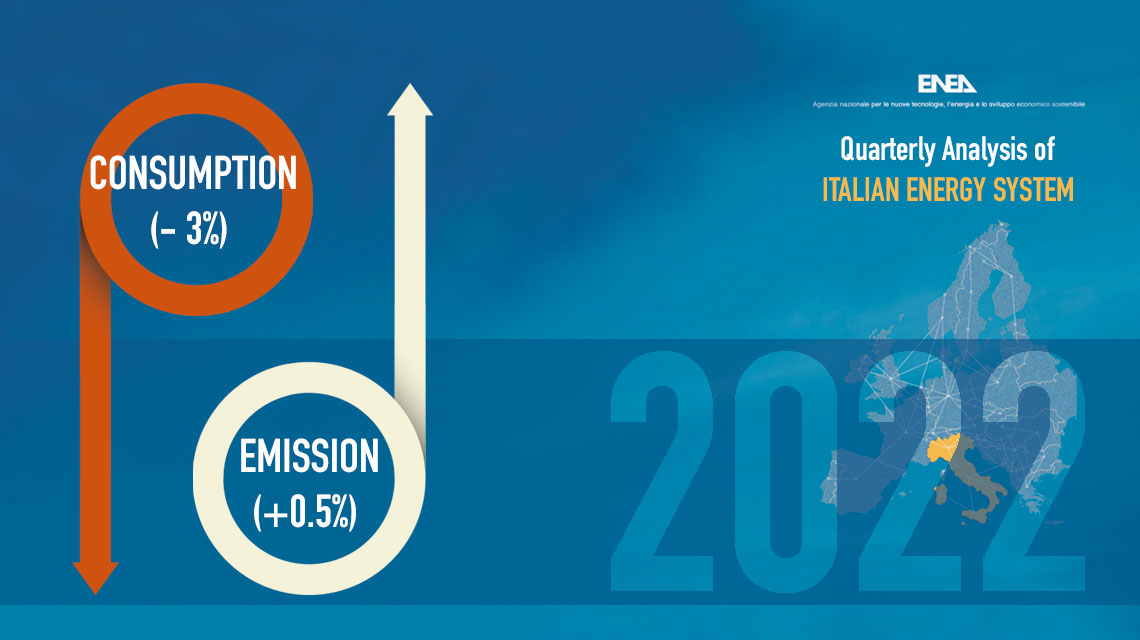
2022 will be remembered not only as the year of the parallel gas and electricity crises, with Russian gas flows to Europe halved and prices doubled compared to 2021, but also for the record contraction of Italian energy consumption in the last quarter (-12%), which determined a drop of more than 3% on annual basis (slightly less than the European average, -4%). A positive implication of energy consumption drop was a one percentage point growth in the share of renewable sources, which reached 20% of final consumption. On the other hand, the ISPRED index, which assesses the Italian energy transition on the basis of a set of indicators related to energy prices, CO2 emissions and energy security, recorded a sharp drop (-54%). These are some key results of new ENEA's Quarterly Analysis of the Italian energy system, which also highlights that carbon dioxide emissions recorded the second annual consecutive increase in 2022, even though its growth (+ 0.5%) has been much lower than the +8.5% recorded in 2021.
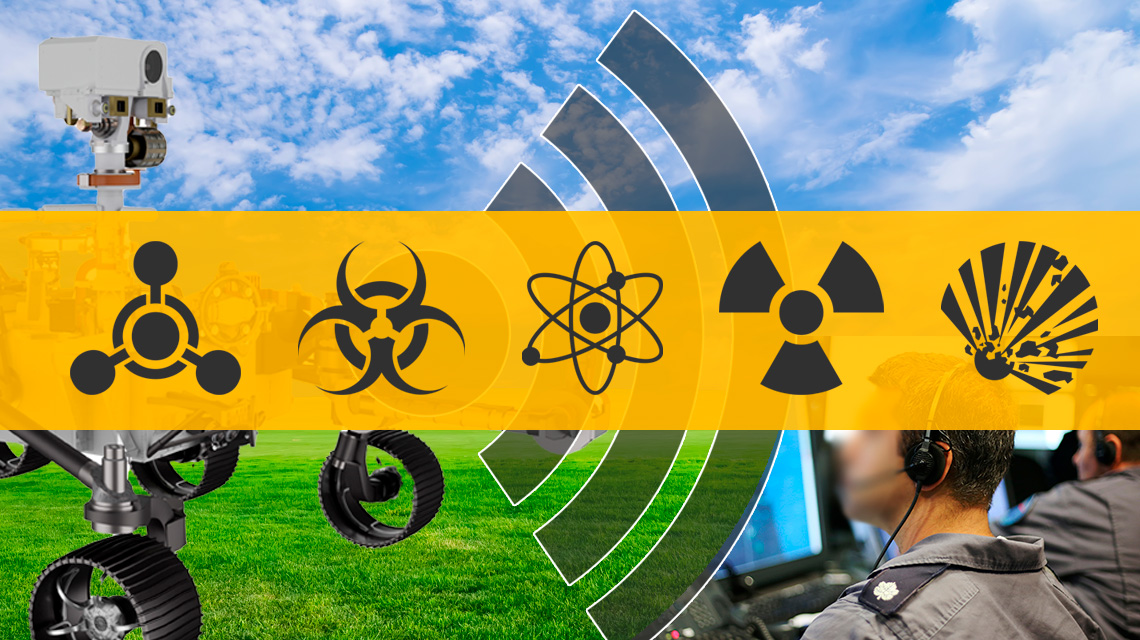
Preventing terrorist threats and chemical, biological, radiological, nuclear and explosive (CBRNe) attcks with innovative technologies, state-of-the-art solutions and integrated platforms is the objective of the MoSaiC project, funded with over 4.4 million euro by the European Defense Fund, which comprises institutions and industries from 5 European countries, for a total of nine partners, including ENEA, SAFE Foundation (coordinator), Cnr, CREO Consortium and University of L'Aquila for Italy.
Assessing the potential health risk associated with electromagnetic fields generated by 5G mobile phone technology is the objective of the EU project SEAWave[1], funded as part of Horizon Europe with over 7 million euro and conducted by a consortium comprising 16 partners, including ENEA.
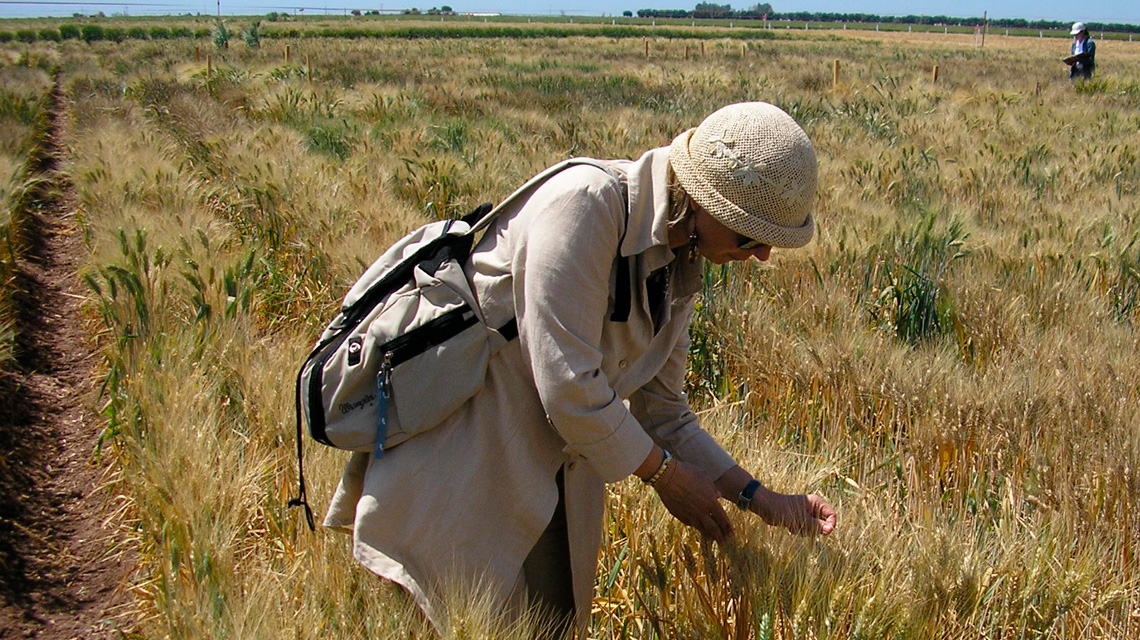
An international study on durum wheat genes that 'react' to drought, coordinated by ENEA, has identified the experimental Barnacla variety as the one with the highest wheat productivity under the impact of water stress. The findings, published in the open source journal Genes, show that under reduced irrigation the Italian variety Creso has a yield approximately three times lower than with full irrigation (1.8 t/h against 5.3 t/h); under the same conditions, the Barnacla variety reacted better to water scarcity with a yield decrease of less than 50% (3.1 t/h at reduced irrigation versus 5.8 t/h at full irrigation).
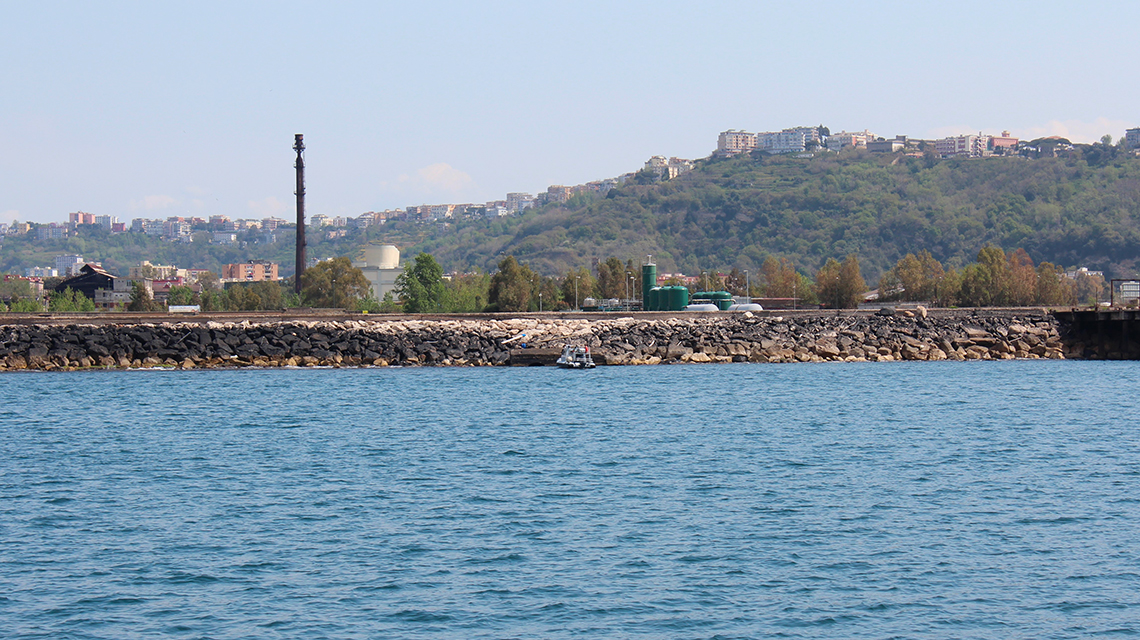
Capturing the 'environmental DNA' of the former industrial area of Naples 'Baia di Bagnoli-Coroglio' starting from 1830, to understand how quickly the communities of marine organisms changed in response to environmental deterioration. It’s one of the main results of a study published in the journal Environment International, the result of a collaboration among Italian and foreign research teams (Anton Dohrn Zoological Station, ENEA, University of Geneva, University of Salento, University of Urbino, Polytechnic University of Marche , University of Freiburg, Polish Academy of Sciences).