Italian National Agency for New Technologies, Energy and Sustainable Economic Development

MEDIA - Press office ENEA
Press releases and news
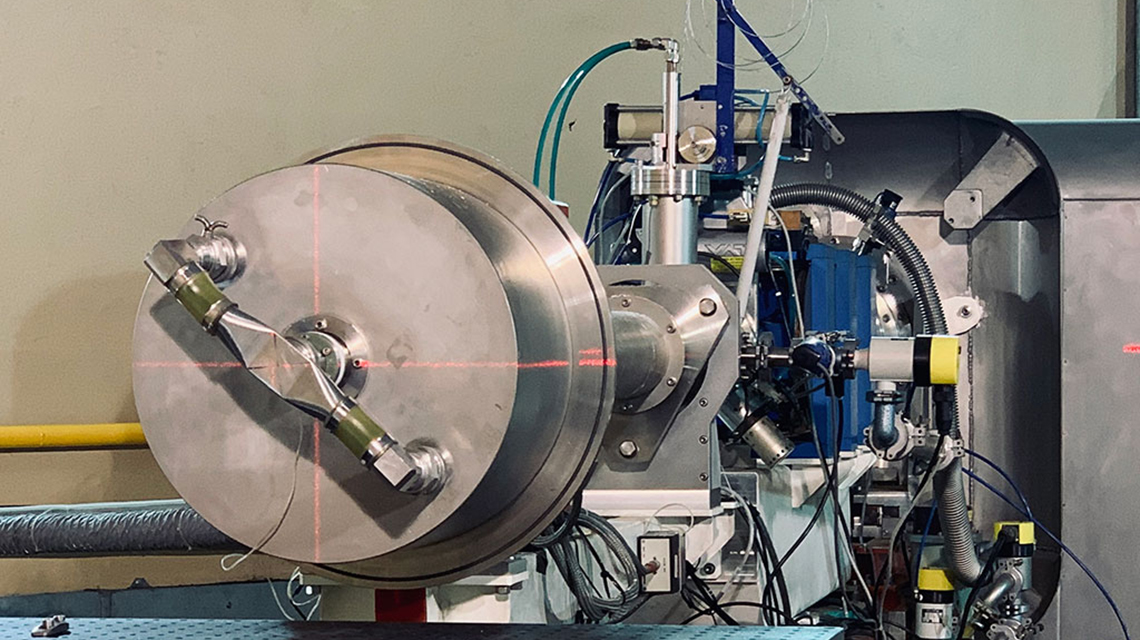
FNG, the Frascati Neutron Generator, turns 30, one of the few 14 MeV neutron generators in the world available for fusion research and other application sectors, including aerospace, automotive, physics and the development of new particle detectors. Entirely designed and built by ENEA at its Research Center in Frascati, FNG is still the most intense 14 MeV neutron source in Europe, capable of producing neutrons through deuterium-tritium fusion reactions, with intensities of up to 100 billion neutrons per second, one of the most intense in the world.
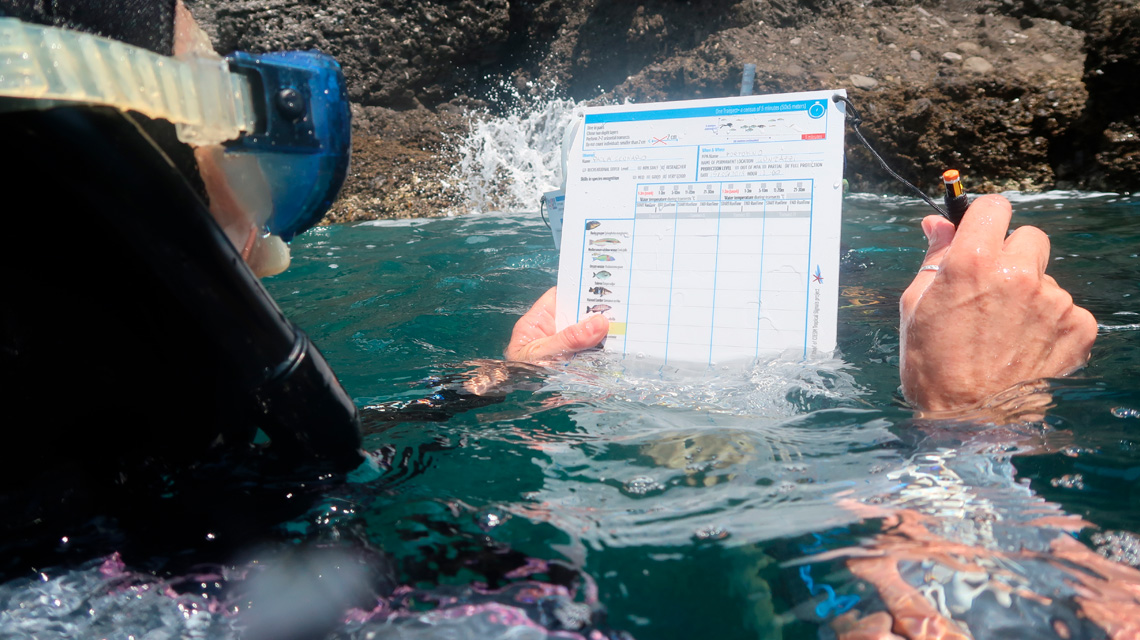
ClimateFish is the first open access database that provides information on the presence in the Mediterranean Sea of 15 species of fish considered as 'sentinels' of climate change. The research, published in Frontiers, was conducted by marine biologist Ernesto Azzurro at the Institute for Biological Resources and Marine Biotechnology of the CNR, in collaboration with ENEA experts at the Santa Teresa Research Center (La Spezia) and other international institutes.
Recovering over 90% of critical materials contained in lithium iron phosphate batteries with an innovative, low-cost and low environmental impact extraction process to be transferred to the European industry. This is the goal of the European project ACROBAT, comprising ENEA for Italy, Fraunhofer Institute for Laser Technology and ACCUREC for Germany, a company specialized in battery recycling, Recycling GmbH, the Catholic University of Louvain and VITO (coordinator) for Belgium.
Defining increasingly effective strategies for climate change mitigation and adaptation, safeguarding soil fertility and combating heat waves and floods is the goal of the European project KNOWING, funded by the Horizon Europe program with over 6 million euro, comprising 17 partners from 8 EU countries, including ENEA, Federico II University and the Naples Municipality for Italy.
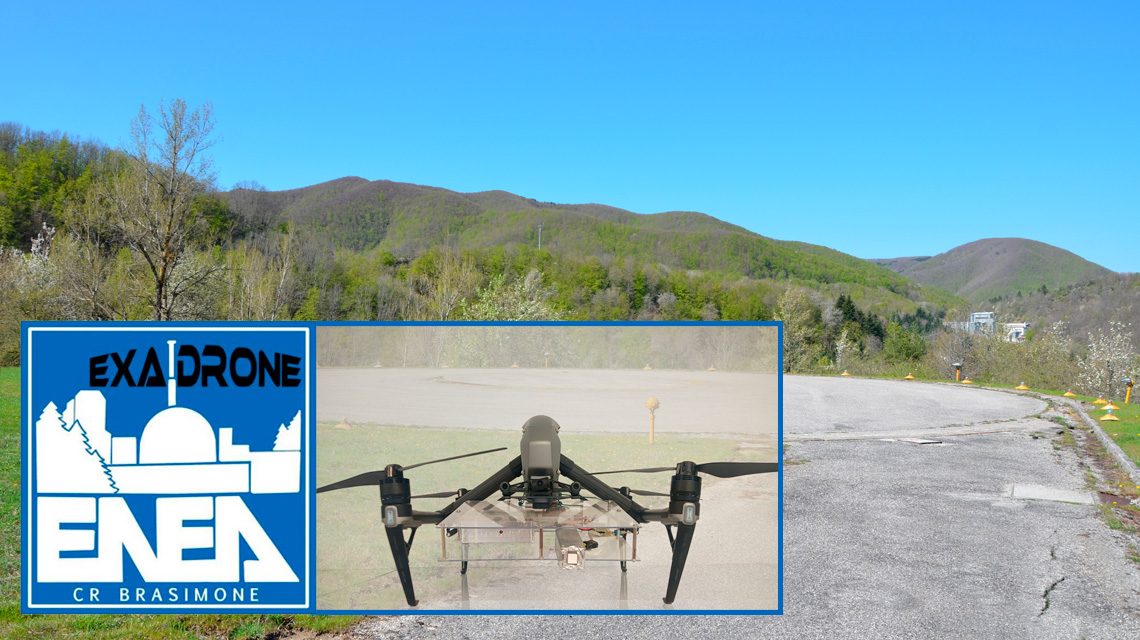
High-tech drones, equipped with internet of things (IoT) systems, big data and innovative sensors for safety and environmental monitoring; an automation and control laboratory to design and test remotely piloted aircraft, a flight academy open to the public, one of the largest in Italy for training pilots in critical scenarios, but also a new range of technologically advanced sensors, are the outcomes of the EXADRONE project conducted by ENEA in collaboration with METAPROJECTS in the ENEA Brasimone Research Center (Municipality of Camugnano, Bologna) and co-funded by the Emilia-Romagna Region.

How did the lockdown impact global emissions and greenhouse gases? How did it affect air quality? Is there an association between atmospheric particulate and bioaerosol, the vehicle through which SARS-CoV-2 is transmitted? These are some of the issues the Pulvirus project, the result of an alliance among ENEA, the National Institute of Health (ISS) and the National System for Environmental Protection SNPA), tried to provide answers to in the spring of 2020, in the midst of the pandemic crisis.