Italian National Agency for New Technologies, Energy and Sustainable Economic Development

MEDIA - Press office ENEA
Press releases and news
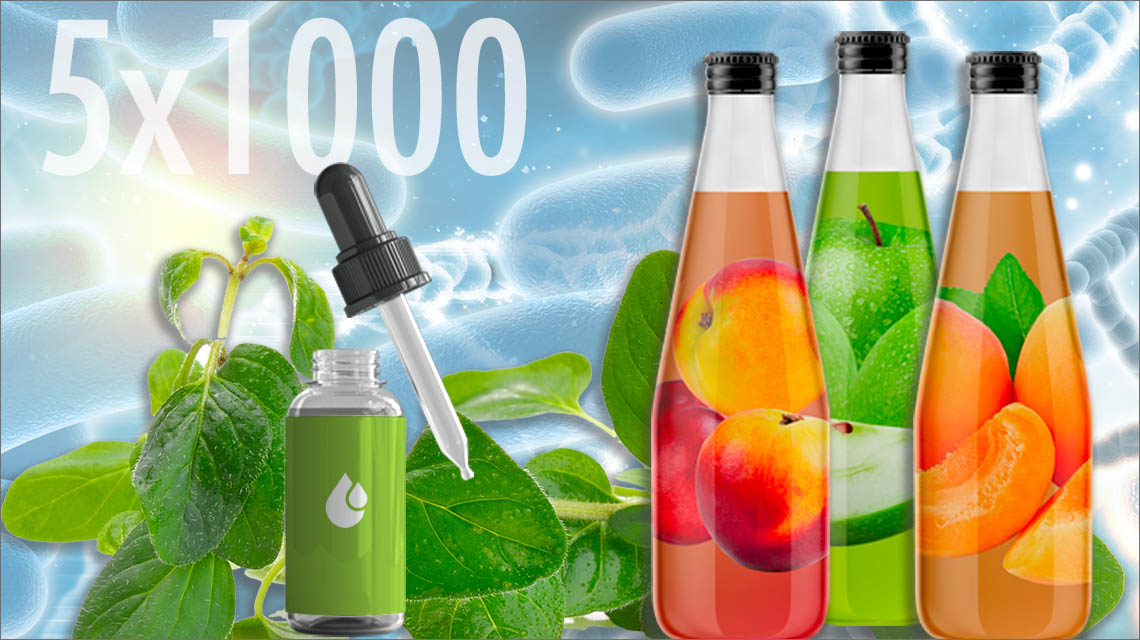
ENEA researchers have developed an innovative and low-cost treatment ensuring quality and safety of food products such as fruit juices. Developed thanks to the 5 x 1000 funds to scientific research, the report on the new treatment was published in the international open access journal “Foods” (MDPI).
Steps forward towards the first generation of radiation sources based on plasma particle accelerators, to study the origin of matter and the universe and for numerous applications in the biomedical, pharmaceutical and cultural heritage fields. The results of an experiment conducted by an ENEA-INFN team, which for the first time in the world tested a Free Electron Laser (FEL) driven by a plasma accelerator, obtaining electron beams of a quality comparable to those of conventional accelerators, was published in Nature.
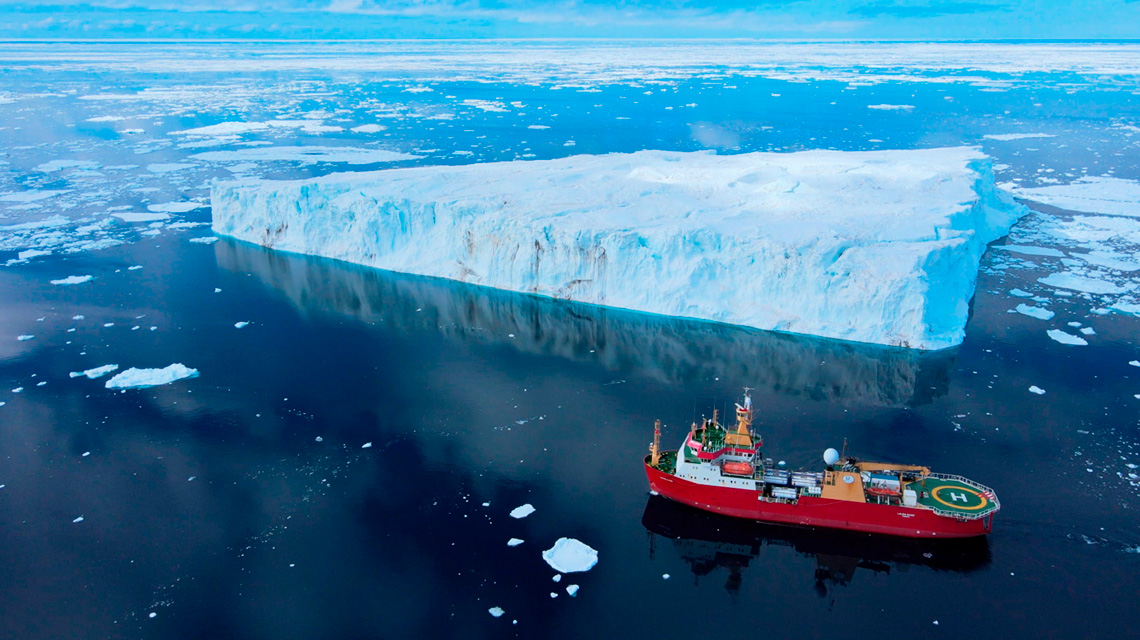
The Italian icebreaker Laura Bassi is navigating the Antarctic waters where the oceanographic campaign of the 38th PNRA expedition, funded by the Ministry of University and Research (MUR) and managed by ENEA for logistics and the Cnr for scientific planning, is underway.
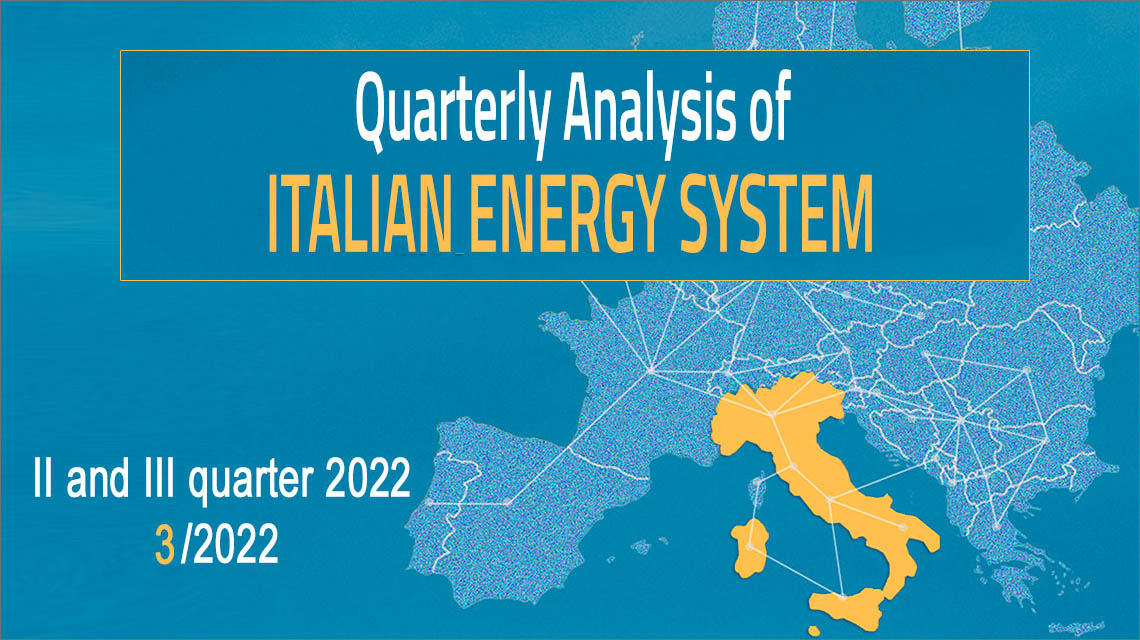
Despite stationary energy consumption, CO2 emissions grew by 6% in the first nine months of 2022. Over the whole of 2022 energy consumption is expected to drop by about 1.5%, while CO2 emissions are estimated to increase by more than 2%, due to the increased use of fossil fuels (between January and September, oil +8%, coal +47%, renewables -11%). These are some of the data included in the last ENEA Quarterly Analysis of the Italian energy system, which are among the factors explaining the sharp deterioration of the ENEA-ISPRED energy transition index (-60% in the 3rd quarter).

A continued record-breaking ocean temperature with increasing in stratification and changes in water salinity pattern give insight into what the future holds amidst a perpetually heating climate. The Mediterranean is a hot spot of the global crisis, warming up faster than the rest of the planet. The study published in Advances in Atmospheric Science is authored by an international team of 24 researchers from 16 institutions (including Franco Reseghetti at ENEA, the National Agency for New Technologies, Energy and Sustainable Economic Development and Simona Simoncelli at INGV, the National Institute of Geophysics and Volcanology).
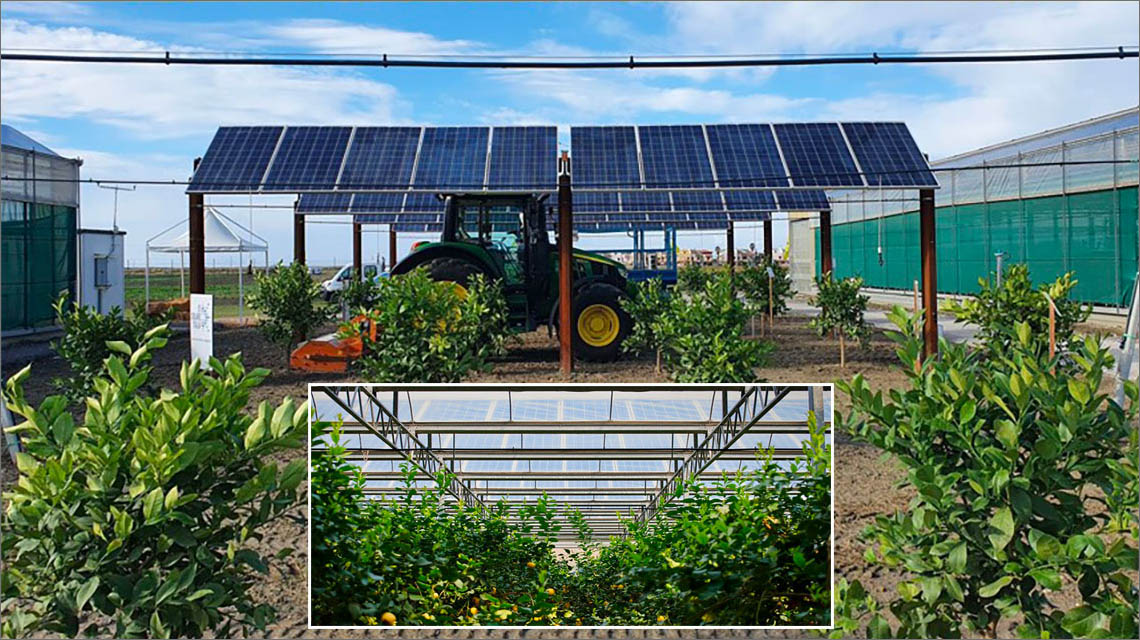
Facing the ambitious target of reaching net-zero emissions by 2050, to increase the share of clean energy production, combining innovation, agricultural activity and solar energy production from photovoltaic (PV) , without causing additional environmental impact. This is the target of the SYMBIOSYST project, leaded by 16 partners, including for Italy, Eurac Research (coordinator), EF Solare, Convert, ETA Florence Renewable Energy, Centro di Sperimentazione Laimburg (Italy), Südtiroler Bauernbund (Italy) and ENEA, and funded by Horizon Europe programme to match energy supply issues with the agricultural sector needs and create a symbiosis where PV and agriculture can have a mutually beneficial relationship.