Italian National Agency for New Technologies, Energy and Sustainable Economic Development

MEDIA - Press office ENEA
Press releases and news
ENEA, in collaboration with the Italian nutraceutical company Esserre Pharma which funded the research, found that some molecules in bergamot impart a lowering effect on LDL cholesterol, the so-called "bad" cholesterol, and triglycerides in the blood. The outcome of the study, conducted first in the laboratory (in vitro) and then on a sample of 50 people (in vivo), were published in the international journal “Phytotherapy Research”.
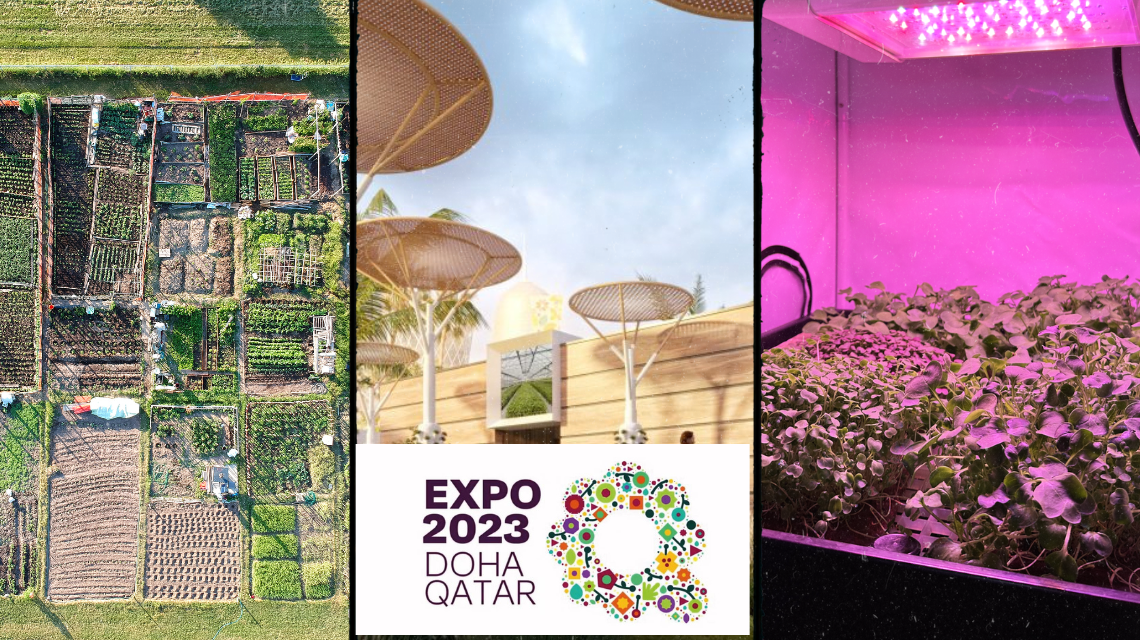
Urban and space gardens, innovative technologies for sustainable agriculture, drought resilience, farming in extreme environments but also climate services and nuclear fusion with the Italian project DTT (Divertor Tokamak Test facility) for a future safe, clean and inexhaustible energy.
Measuring energy efficiency and sustainability of regions and cities using a tool assessing the impact and adequacy of the measures implemented by administrators and citizens to reduce dependence on fossil fuels is the objective of SEED MICAT, the 1.5 million euro three-year European project comprising eight partners from six EU countries, including ENEA, ISINNOVA and RSE for Italy.
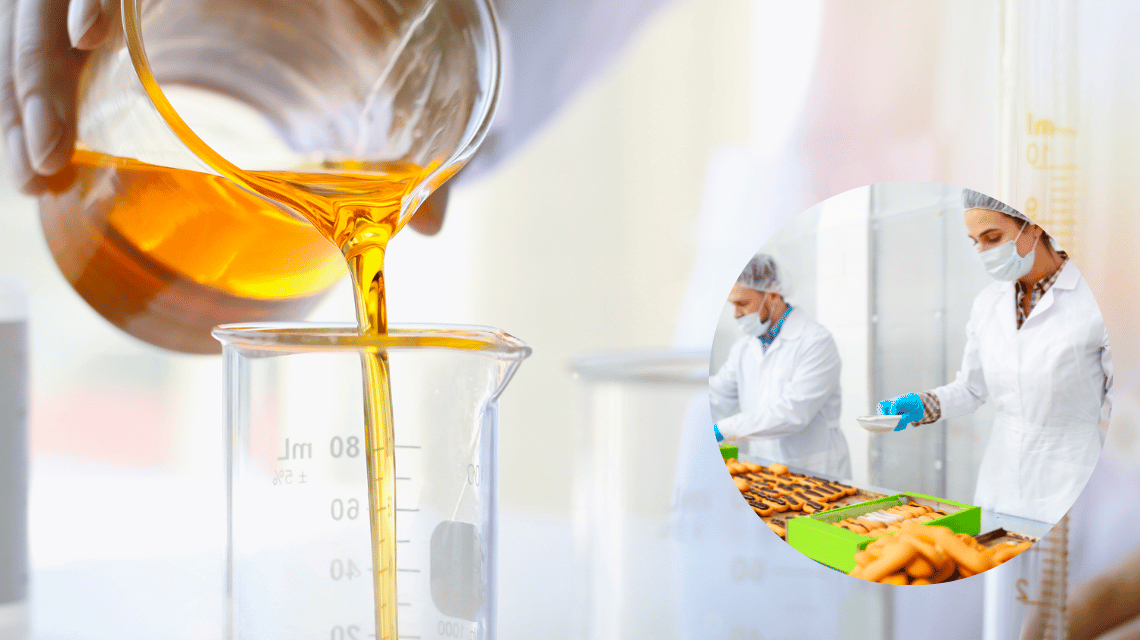
An ENEA team has patented an innovative process with low environmental impact to extract high quality oil from bakery waste to be used to obtain biolubricants and bioplastics.
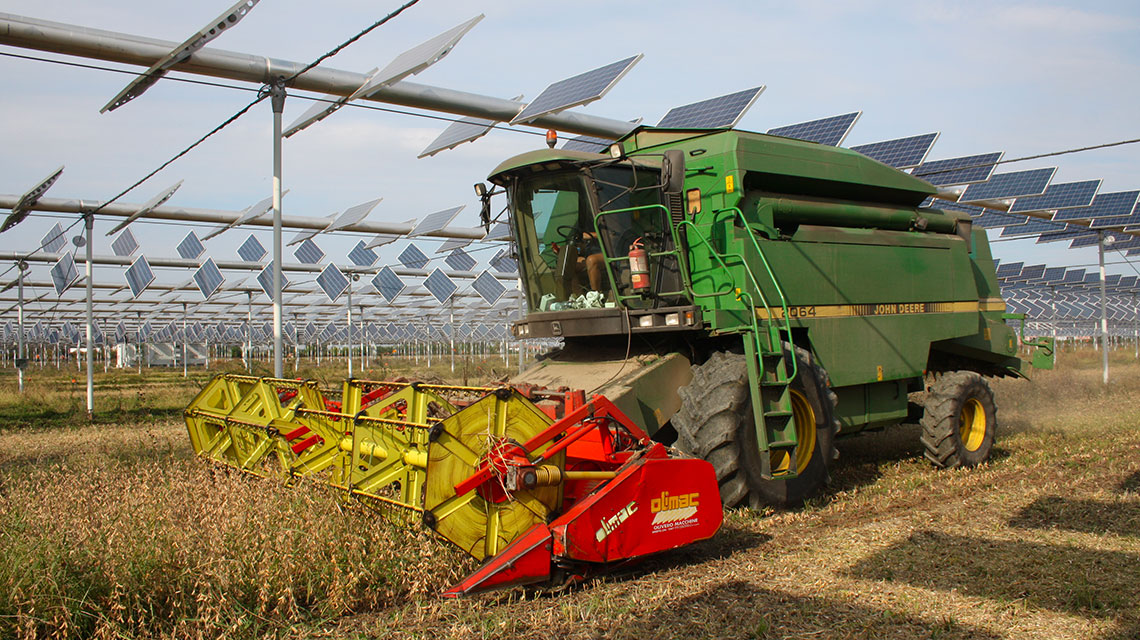
ENEA has created a map of the national agrivoltaic potential on a regional scale capable of supporting PAs in planning the development of the sector. Developed by a team at the ENEA Research Center in Portici based on criteria for limiting land use and optimizing energy and agricultural production, the map is now being validated and will be accessible online in the future.
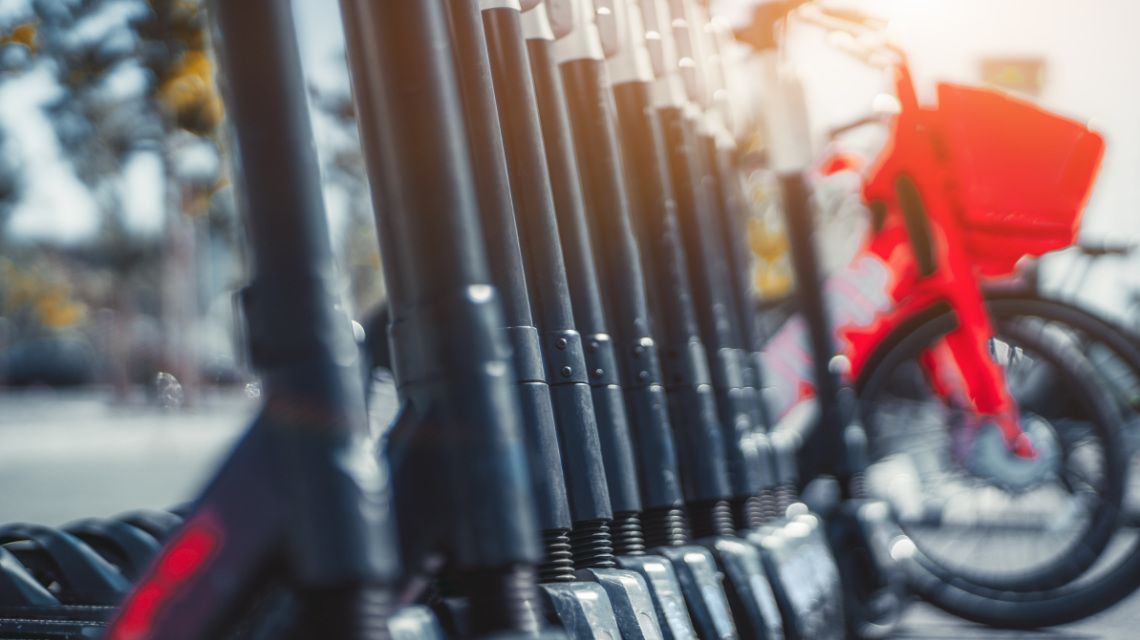
A survey conducted by ENEA, in collaboration with the universities "Roma Tre" and "Roma Tor Vergata" on a sample of 240,000 cars, for a total of 9 million movements monitored, showed that in Rome, 20% of car trips could be replaced by electric bikes and scooters from Monday to Friday, while the use of private vehicles during rush hour could be reduced by 10% by using metro or train in combination with private electric scooters that can be transported on board.