Italian National Agency for New Technologies, Energy and Sustainable Economic Development

MEDIA - Press office ENEA
Press releases and news
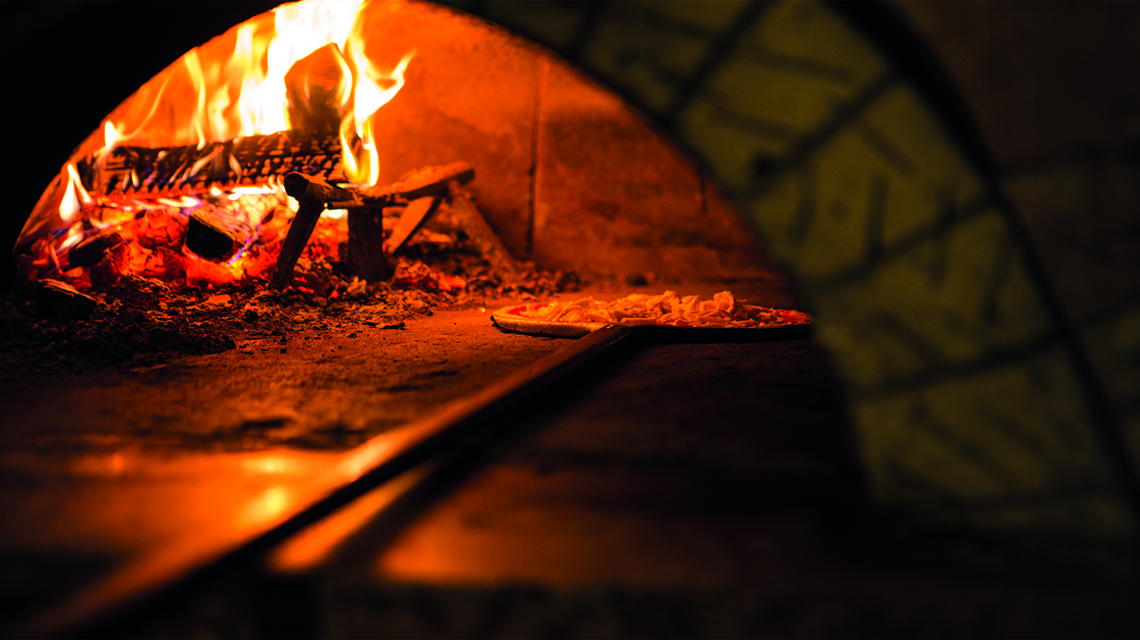
A study conducted by ENEA, together with Innovhub and the University of Milan, funded by the Ministry of the Environment and Energy Security and published in the journal Environmental Pollution, highlighted that in wood-fired pizza ovens the highest levels of pollutant emissions occur during the ignition phase. Researchers have identified for the first time, through specific experimental campaigns, the main factors influencing emissions from wood-fired pizza ovens, a starting point for providing practical recommendations to reduce the environmental impact of pizzerias.
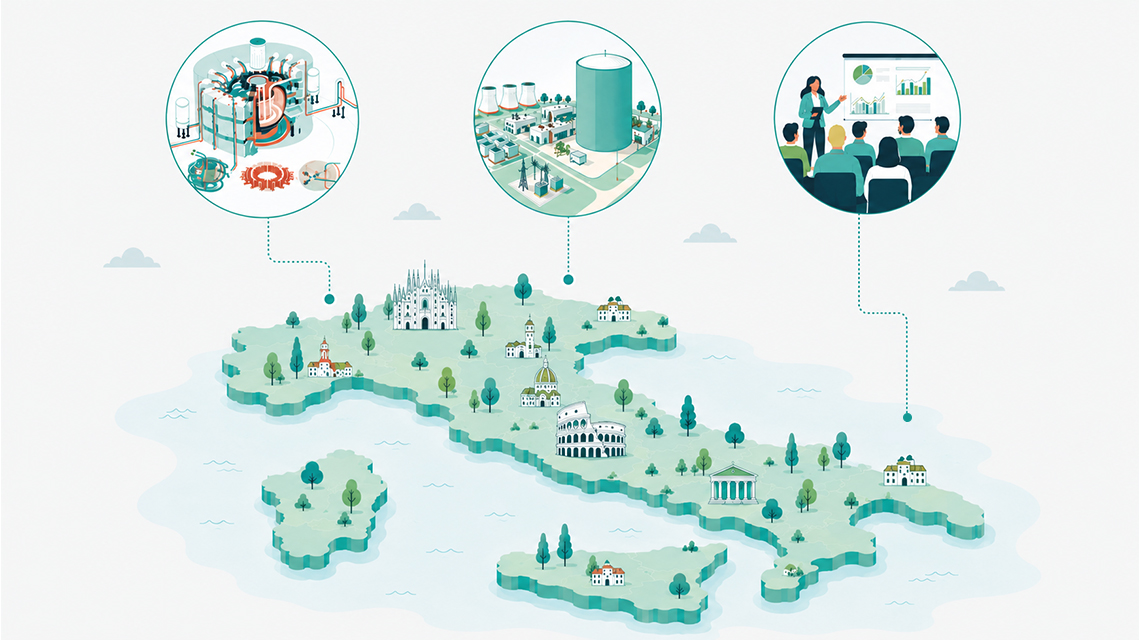
The Nuclear Research Program (PRN) is a three-year initiative funded by the Ministry of Environment and Energy Security (MASE) and implemented by ENEA, together with CNR as co-implementer and the RFX Consortium. The Program pursues three interconnected objectives: enhancing Italy’s energy security and independence, contributing to national decarbonization targets, and reinforcing the country's role in the European and international landscape through the advancement of advanced nuclear technologies. Designed as a key operational response to European priorities, it addresses both energy supply security and the transition to a low-carbon system.

ENEA has developed an innovative electronic device that measures gaseous air pollutants in real time. In addition to measuring the concentrations of gases dispersed in the atmosphere, it enables continuous monitoring of air quality and the calibration or recalibration of electrochemical gas sensors.
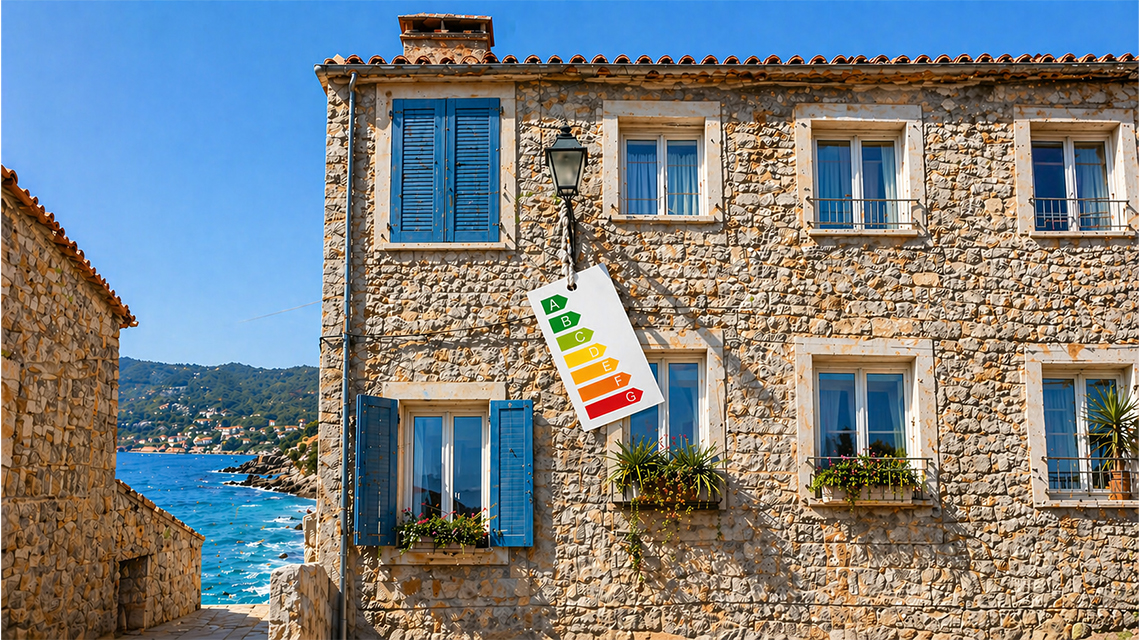
A study conducted by ENEA and MCE Lab showed that energy retrofits of vacant homes in Italy can increase their market value by up to 45%, boosting both tourist and residential rental rates thanks to lower utility bills, superior comfort and improved HVAC systems. The study identified the actions needed to revitalize and bring back to the market approximately 10 million vacant apartments in Italy (equivalent to about 27–30% of the national housing stock), taking into account costs, technical interventions and potential return opportunities.
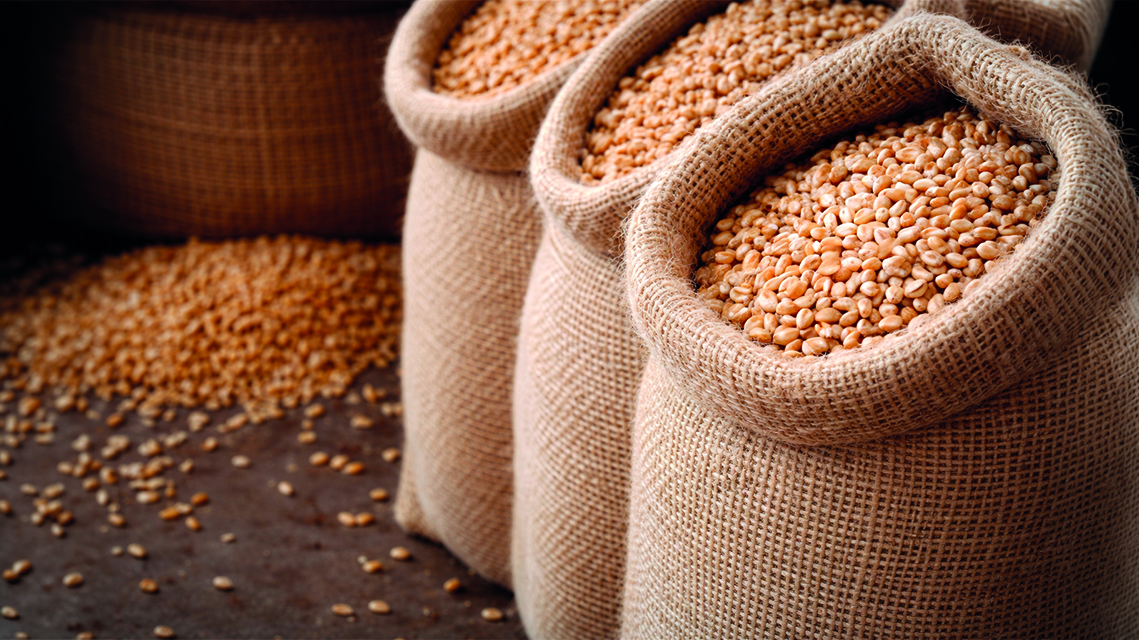
ENEA has successfully tested gamma irradiation as a safe, effective, and sustainable method to ensure microbiological safety, maintain nutritional qualities and extend life-shelf. The results of the study were published in the open access scientific journal Polysaccharides and confirm its potential as a treatment and preservation method for the cereal and agri-food industry. The tests were conducted at the Calliope irradiation facility of the Nuclear Department at the ENEA Casaccia Research Center (Rome) on four types of Italian wheat: one durum wheat and three soft wheat varieties from conventional, organic and integrated farming.
ENEA has launchedNUCLE.Ar.S, a new digital portal dedicated to promoting and disseminating scientific culture and the history of nuclear energy for peaceful purposes in Italy. The project collects and provides open access to a rich collection of materials recovered from ENEA’s historical archives: 2180 documents, 1350 photographs, 62 videos and 113 technical drawing, for a total of over 3700 records. The news comes on the occasion of International Archives Day, held annually on 9th June, a global initiative to promote the importance of preserving and providing access to historical archives and safeguarding collective memory and cultural heritage.