Italian National Agency for New Technologies, Energy and Sustainable Economic Development

MEDIA - Press office ENEA
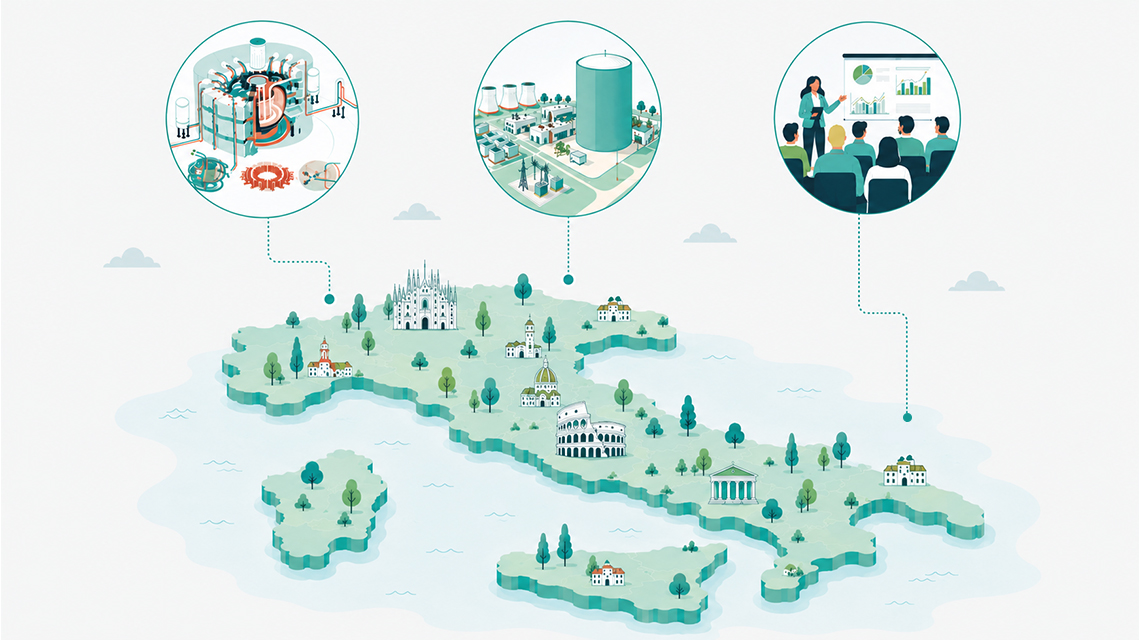
Energy: the Nuclear Research Program (PRN) gets under way
Implemented by ENEA, with CNR and RFX Consortium, the Program focuses on the development of advanced modular reactors, nuclear fusion technologies, and the strengthening of specialized training
The Nuclear Research Program (PRN) is a three-year initiative funded by the Ministry of Environment and Energy Security (MASE) and implemented by ENEA, together with CNR as co-implementer and the RFX Consortium. The Program pursues three interconnected objectives: enhancing Italy’s energy security and independence, contributing to national decarbonization targets, and reinforcing the country's role in the European and international landscape through the advancement of advanced nuclear technologies. Designed as a key operational response to European priorities, it addresses both energy supply security and the transition to a low-carbon system.
The main areas of intervention include the development of next-generation nuclear technologies—particularly Small Modular Reactors (SMRs) and Advanced Modular Reactors (AMRs)—as well as nuclear fusion, one of the most promising solutions for safe, clean, and large-scale energy production. The program also pays particular attention to non-energy applications of nuclear technologies, with significant impacts in strategic sectors such as medicine (radioisotope production), aerospace, and hydrogen production.
“Nuclear energy represents a low greenhouse gas emission source capable of contributing significantly to the diversification of the national energy mix, integrating with renewable sources and supporting their continuous operation while reducing dependence on fossil resources,” said Alessandro Dodaro, Director of ENEA’s Nuclear Department. “With the PRN,” he added, “Italy takes a strategic step toward greater energy security and independence. By integrating research and innovation, industrial competitiveness, and training and information activities, the Program contributes to building a strong and competitive Italian supply chain capable of supporting Europe in addressing the energy challenges of the coming decades, with positive impacts from a technical-scientific, economic, employment, and social perspective.”
“CNR focuses its efforts on nuclear fusion technologies, which are more strategic than ever for safe, sustainable, and low-emission energy,” stated Stefano Fabris, Director of the Department of Physical Sciences and Technologies of Matter at CNR. “This role,” he continues, “is based on a solid decades-long tradition of expertise and research infrastructures, which underpins collaboration with the RFX Consortium and Italy’s contribution to a key sector for the future of energy”.
“The RFX Consortium, representing its members—CNR, ENEA, INFN, the University of Padua, and Acciaierie Venete spa—represents a center of excellence in Italy in leveraging the relationship between physical research, technological development, and the industrial system, thanks to RFX-mod2, a high-priority strategic infrastructure, and its activities for ITER and Fusion4Energy,” said Piergiorgio Sonato, President of RFX Consortium. “The realization of these experiments has generated concrete scientific and technological progress, with impacts on the productive frame, strengthening not only the fusion supply chain but more generally the competitiveness of Italian industry in line with European priorities”.
Advanced modular reactors: SMR and AMR
At the centre of the PRN is the research and development of Advanced Modular Reactors, a sector in which Italian industry and research already play a leading role internationally. This includes both the modernization of existing infrastructures and the construction of new facilities essential for the qualification of innovative components and the strengthening of the national industrial supply chain.
Particular attention is given to two main technologies:
Small Modular Reactors (SMRs): compact, small-scale modular reactors based on Light Water Reactor (LWR) technologies, positioned between Generation III and III+.
Advanced Modular Reactors (AMRs): fourth-generation systems that introduce advanced cooling systems and innovative fuels, ensuring greater efficiency, safety, sustainability, and new applications, including cogeneration and hydrogen production.
These initiatives are part of a strategy aimed at combining public and private investments, accelerating the deployment of technologies, and supporting the decarbonization of the national energy mix by 2035–2050, in line with the objectives of the Integrated National Energy and Climate Plan (PNIEC).
Nuclear fusion: a long-term strategic vision
The PRN also strengthens and expands Italy’s commitment to nuclear fusion development, considered a strategic long-term source for safe, inexhaustible, and CO₂-free energy. In line with the European roadmap targeting the construction of the first demonstration plant by 2050, Italy focuses on key infrastructures and technologies, including:
Divertor Tokamak Test Facility (DTT): a major Italian project under construction at the ENEA Research Center in Frascati, involving ENEA and ENI, in close synergy with research institutions, universities, and industry, including CNR, INFN, CETMA, the RFX and CREATE consortia, Politecnico di Torino, and the universities of Rome Tor Vergata, Tuscia, and Milano-Bicocca. The project aims to address some of the most complex scientific challenges on the path to fusion, including solutions for handling the high heat loads produced.
Breeding Blanket: one of the key components of future reactors, under development at the ENEA Brasimone Research Center (Bologna). This system will enable tritium production from lithium, recover heat generated by fusion reactions, and shield reactor structures, playing a crucial role in the sustainability, efficiency, and safety of nuclear fusion.
Neutral Beam Test Facility: a large research infrastructure of RFX Consortium in Padua dedicated to developing an innovative system for heating ITER plasma—the major international project under construction in Cadarache (France)—through the acceleration of high-energy particles.
RFX-mod2: the largest experiment for studying toroidal magnetic confinement of plasma in Reversed Field Pinch (RFP) and Tokamak configurations.
Training, information, and outreach
Training, information, and outreach are key cross-cutting pillars of the PRN. The program aims to bridge the gap in qualified skills and strengthen human capital, encouraging the entry of new professionals into the sector, with significant employment impacts.
The Program also includes a wide range of structured information and outreach initiatives, as well as visits to research infrastructures, aimed at students, schools, citizens, and stakeholders. The goal is to promote knowledge based on scientific rigor, transparency, dialogue, and strong public engagement, ensuring an informed and aware public debate.
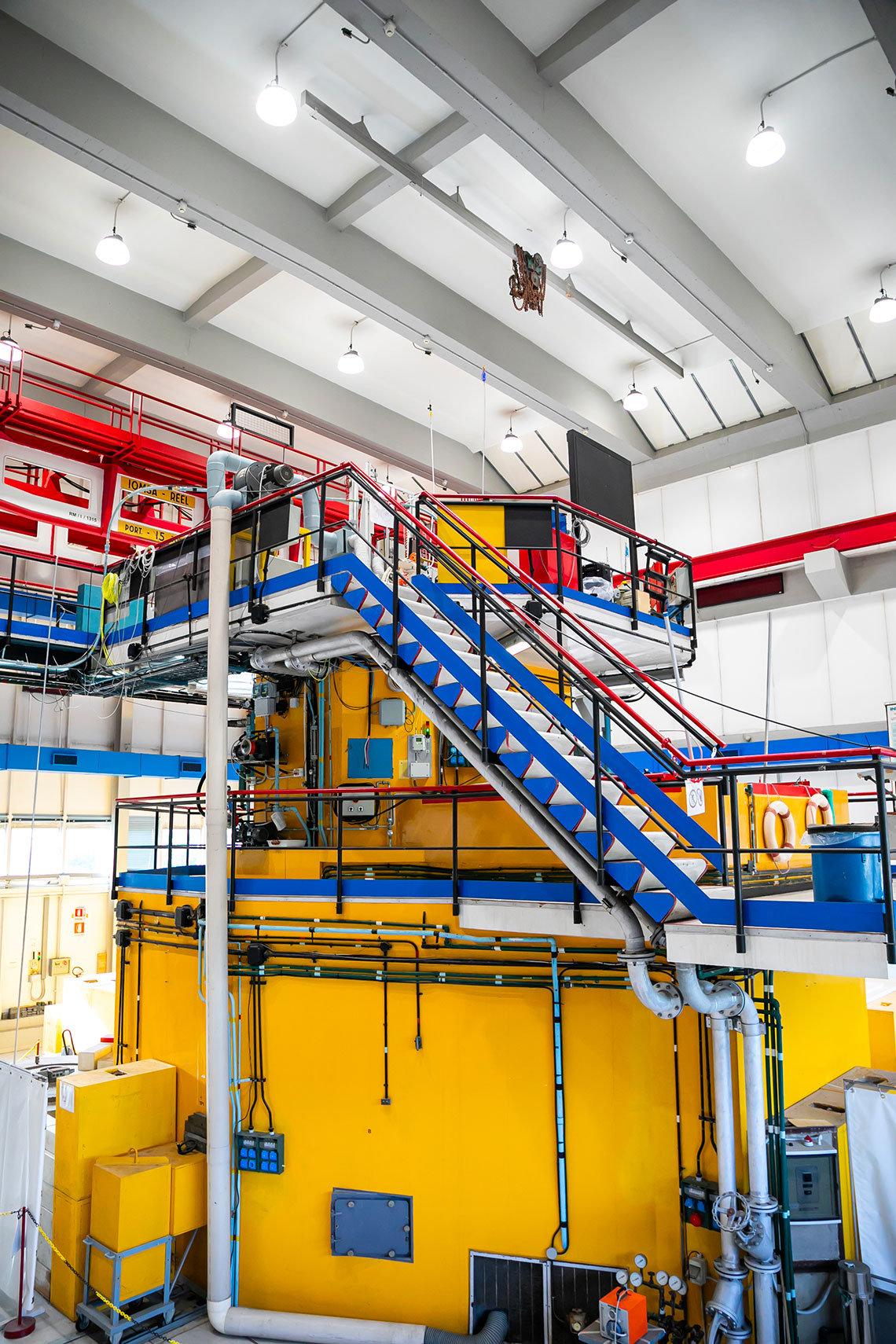
The TRIGA-RC1 nuclear research reactor at the ENEA Casaccia Research Center (Rome).
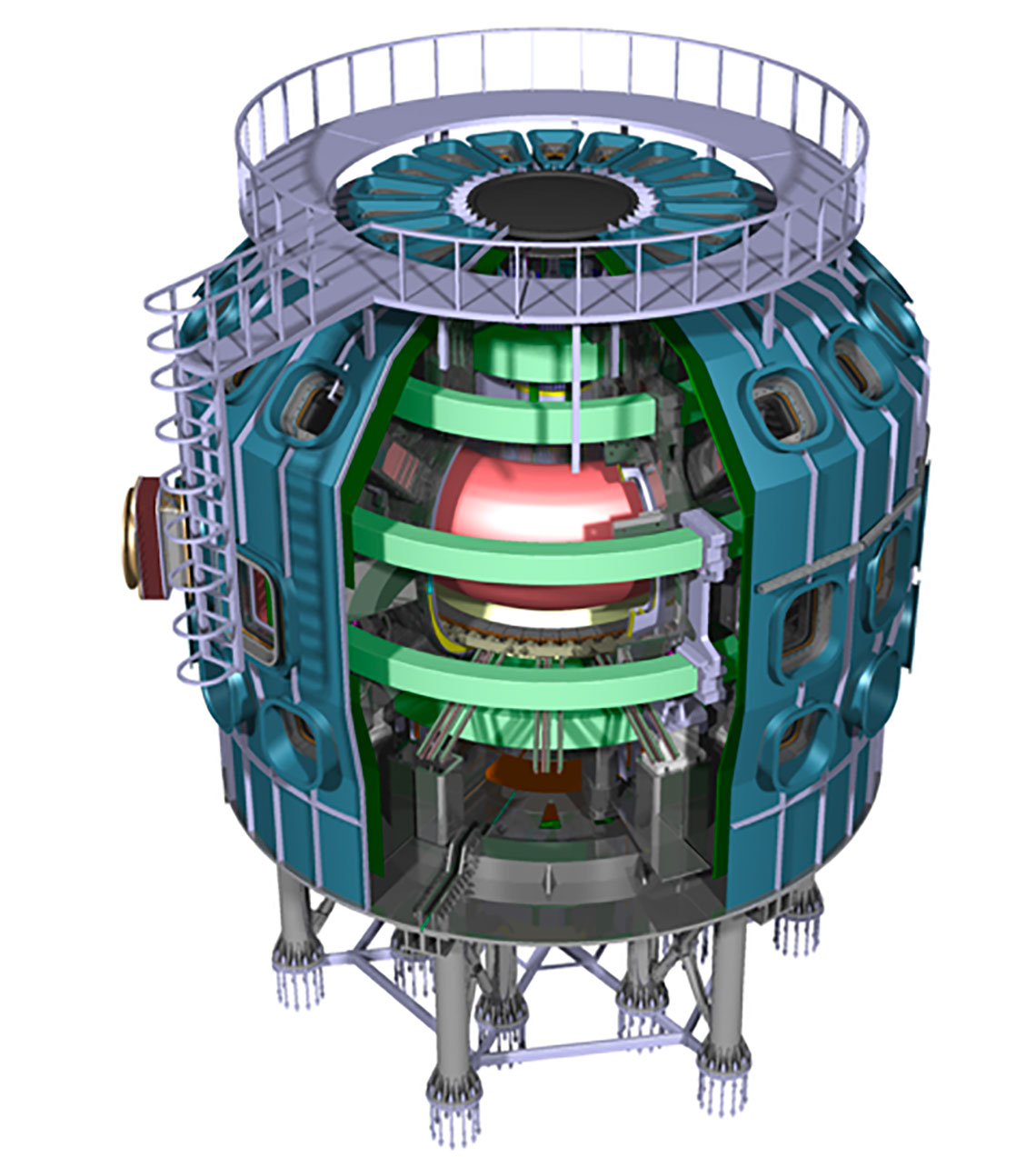
Graphical representation of the Divertor Tokamak Test (DTT), the experimental reactor under construction at the ENEA Frascati Research Center (Rome).
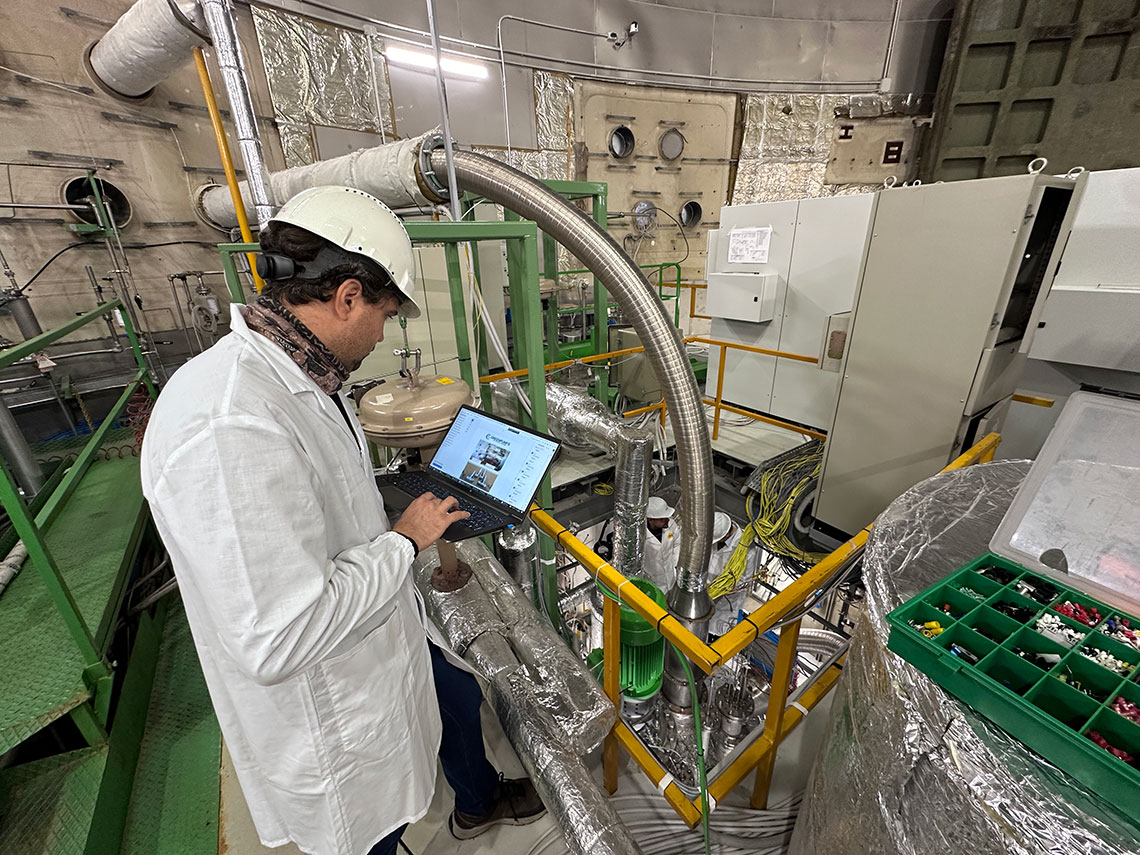
The CIRCE research infrastructure at the ENEA Brasimone Research Center for studies on heavy liquid metal technologies applied to fourth-generation liquid lead-cooled reactors.