Italian National Agency for New Technologies, Energy and Sustainable Economic Development

MEDIA - Press office ENEA
Press releases and news
A group of ENEA researchers has tested a new therapeutic approach for the treatment of medulloblastoma, the most frequent brain tumour in paediatric age, as part of the NANOCROSS project supported by the AIRC Foundation for Cancer Research.
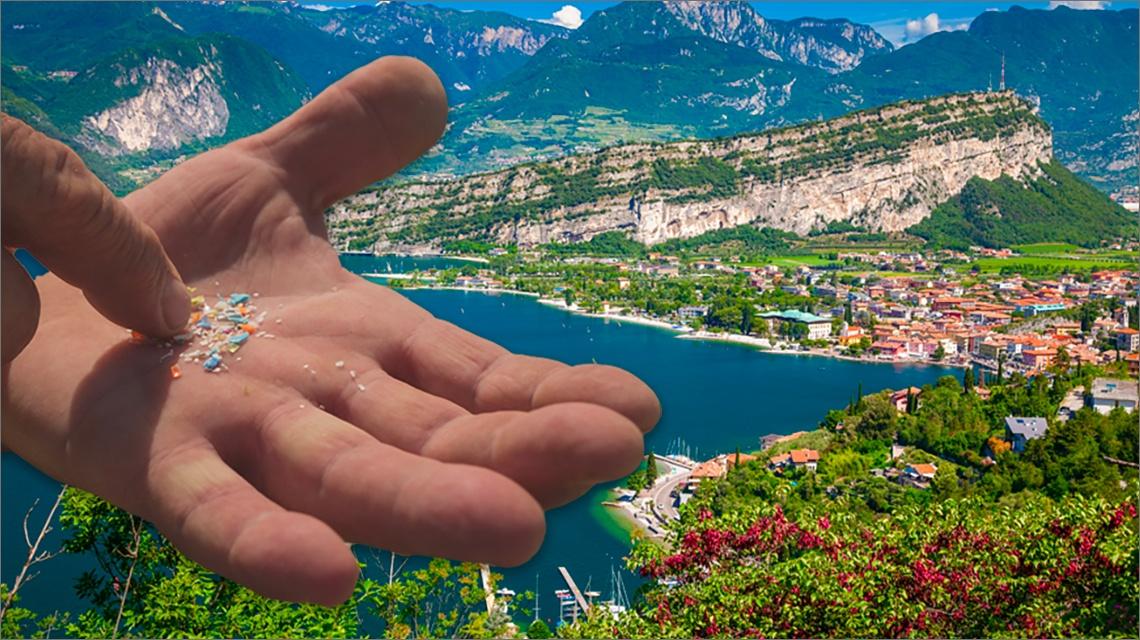
Studying and characterising microplastics in Italian lakes, analysing the microbial communities that colonise their surface and assessing the risks to ecosystems, fish species and human health

Strengthening passenger security and preventing attacks with weapons or explosives in subways, railway stations, airports, but also in crowded spaces or meeting places, thanks to innovative surveillance technologies. This is the aim of the DEXTER (Detection of EXplosives and firearms to counter TERrorism) project, financed by NATO as part of the 'Science for Peace and Security Programme' and coordinated at technical and scientific level by ENEA.

A vivacious and vital sector, the engine of national innovation, capable of withstanding the impact of the pandemic crisis in all its areas of application and a significant increase in the number of companies dedicated to Italian-controlled biotech R&D, with a turnover that, in this sub-group of companies, recorded a + 30% in the black year of the global health emergency: this is what emerges from the annual report Assobiotec-Federchimica and ENEA “Biotechnology companies in Italy.

Improving durum wheat’s ability to tolerate and adapt to environmental stresses is the goal of the project IMPRESA, funded by the Ministry of University and Research with over 700 thousand euro, which includes Italy (ENEA and Tuscia University as coordinator), Turkey (University of Harran), Algeria (University of Ferhat Abbas Sétif and Center de Recherche Scientifique et Technique sur les Régions Arides) and Tunisia (Center of Biotechnology of Sfax).
In Italy, the economic value of forests has dropped by 10% due to ozone pollution which has led to a reduction of more than 1% of the forest area destined to timber production, with potential damage that could reach up to 2.85 billion euro (around 870 euros per hectare), as shown in a study conducted by a team of 10 researchers from ENEA, Cnr and the University of Florence, in collaboration with the French satellite services company ARGANS, published in Nature Scientific Reports.