Italian National Agency for New Technologies, Energy and Sustainable Economic Development

MEDIA - Press office ENEA
Press releases and news
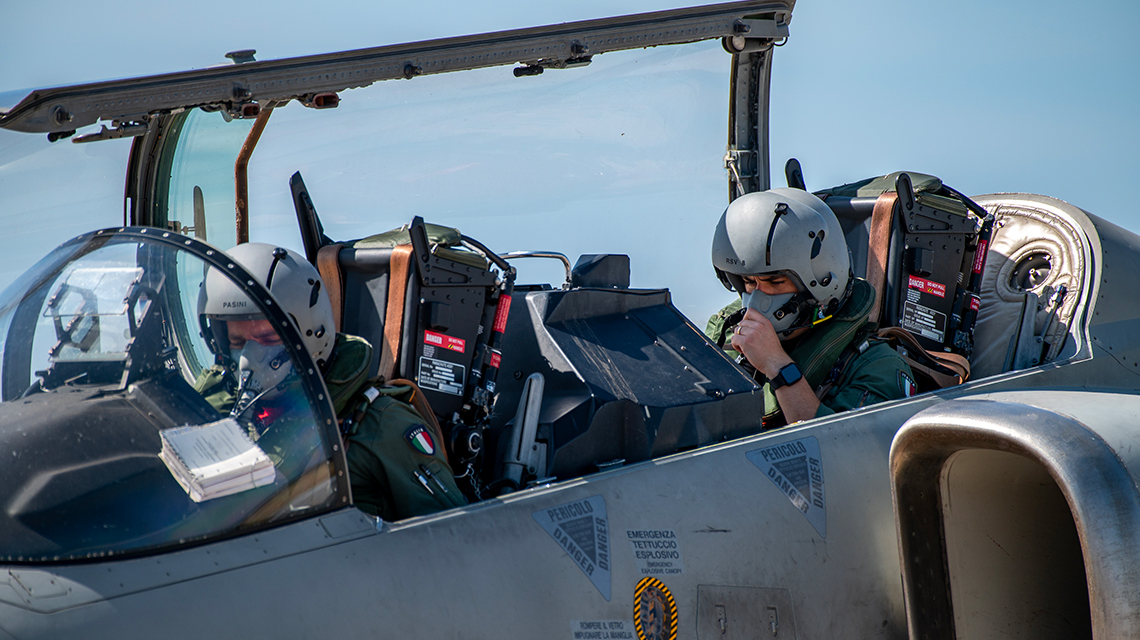
First experimental flights for an Italian Air Force aircraft powered by a fuel mixture containing up to 25% biofuel. The tests were conducted on an AMX fighter by pilots and specialized personnel of the Air Force at the Aeronautical and Space Experimentation Division (DASAS) located in Pratica di Mare (Rome). The project came from a preliminary study and experimentation activity carried out in collaboration with researchers from ENEA and three institutes of the National Research Council (CNR), the Institute on Atmospheric Pollution (IIA), the National Institute of Optics (INO) and the Institute of Sciences and Technologies for Energy and Sustainable Mobility (STEMS).
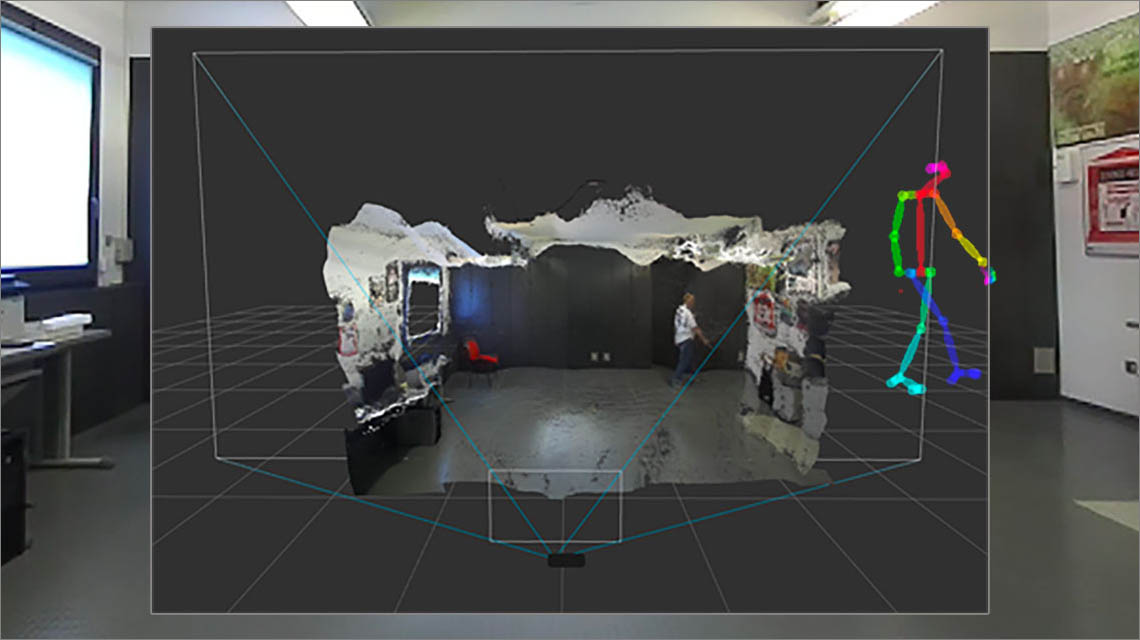
ENEA and Tor Vergata Hospital in Rome have developed an innovative video analysis system for early diagnosis of Parkinson's disease and personalisation of drug therapy. Published in the international journal Applied Sciences, the research focused on alterations in motor skills, such as changes in balance, posture and gait, which are hallmarks of the disease. The analysis of these abilities provides relevant early clues for the diagnosis and study of disease progression, facilitating the initiation and evaluation of therapy.
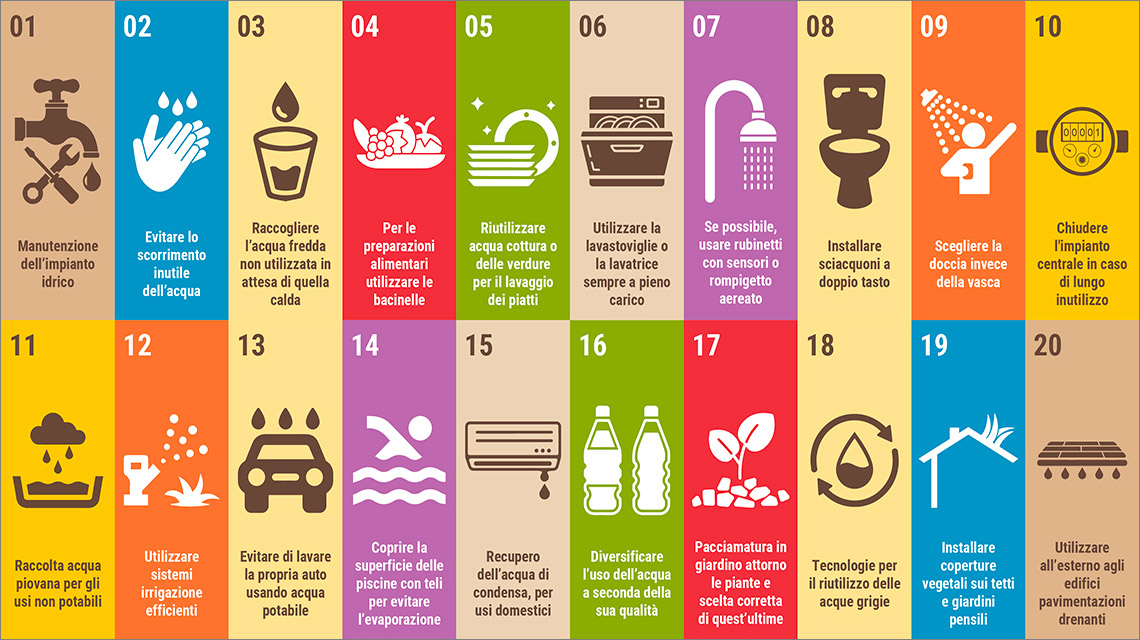
Rule number one: don’t waste water. A tip that is always valid, but even more so during a water emergency like the one we are currently experiencing, marked by the worst drought in 10 years. To combat water waste and make its management more sustainable, ENEA has drawn up a 20-point guide with suggestions and good practices, mistakes to avoid, and also solutions and technologies for saving water (and energy), especially in the residential sector. In short, when at home reduce leaks and waste and use it more rationally. In general, employ less water-intensive processes and systems, purification and reuse, improved efficiency and digitisation of the waterworks, but also good practices by families and schools.

Cutting-edge solutions like 3D printing and nanomaterials to integrate missing parts of buildings and sculptural parts damaged by time or severe phenomena, while respecting the reversibility, durability and recognisability of the materials.
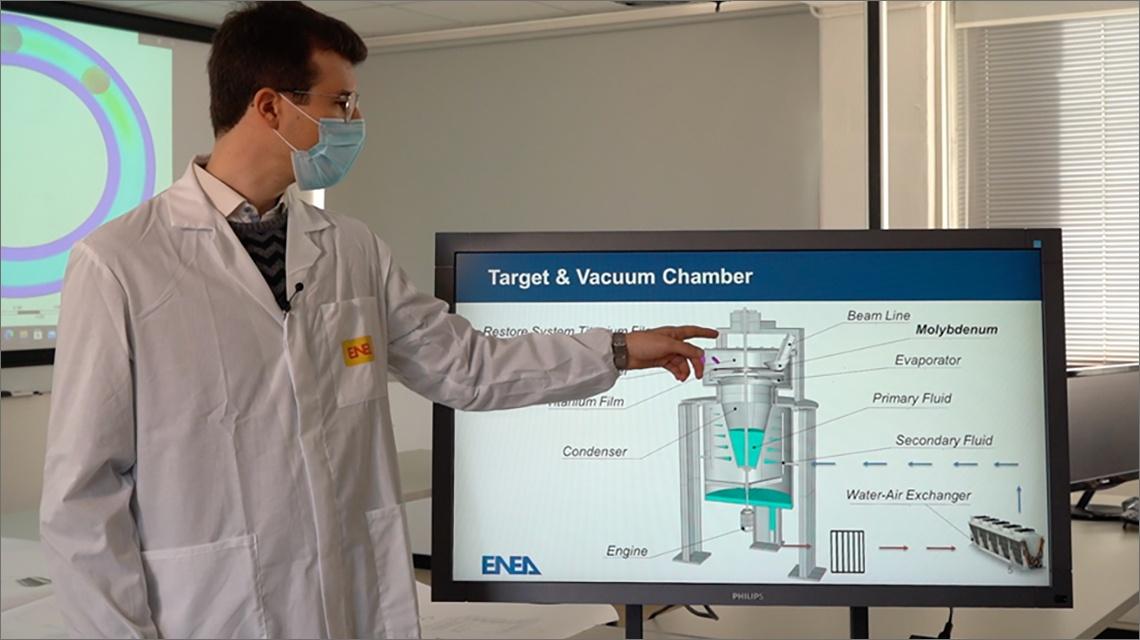
Developing a national supply chain of plants to produce radiopharmaceuticals for cancer diagnosis. This is the innovative approach described by ENEA researchers in the international journal Nature on the safe, sustainable production of Molybdenum (99Mo), the radioisotope precursor of technetium-99 (99mTc), the most widely used element in the world in nuclear medicine for SPECT-type diagnostics. Around 30 million are performed each year, with a global market worth around $8 billion.
A group of ENEA researchers has tested a new therapeutic approach for the treatment of medulloblastoma, the most frequent brain tumour in paediatric age, as part of the NANOCROSS project supported by the AIRC Foundation for Cancer Research. The results obtained, published in the International Journal of Molecular Sciences, are based on the use of engineered plant viruses as vehicles for the targeted administration of chemotherapy drugs, capable of selectively reaching the tumour, reducing drug doses and its side effects.