Italian National Agency for New Technologies, Energy and Sustainable Economic Development

MEDIA - Press office ENEA
Press releases and news
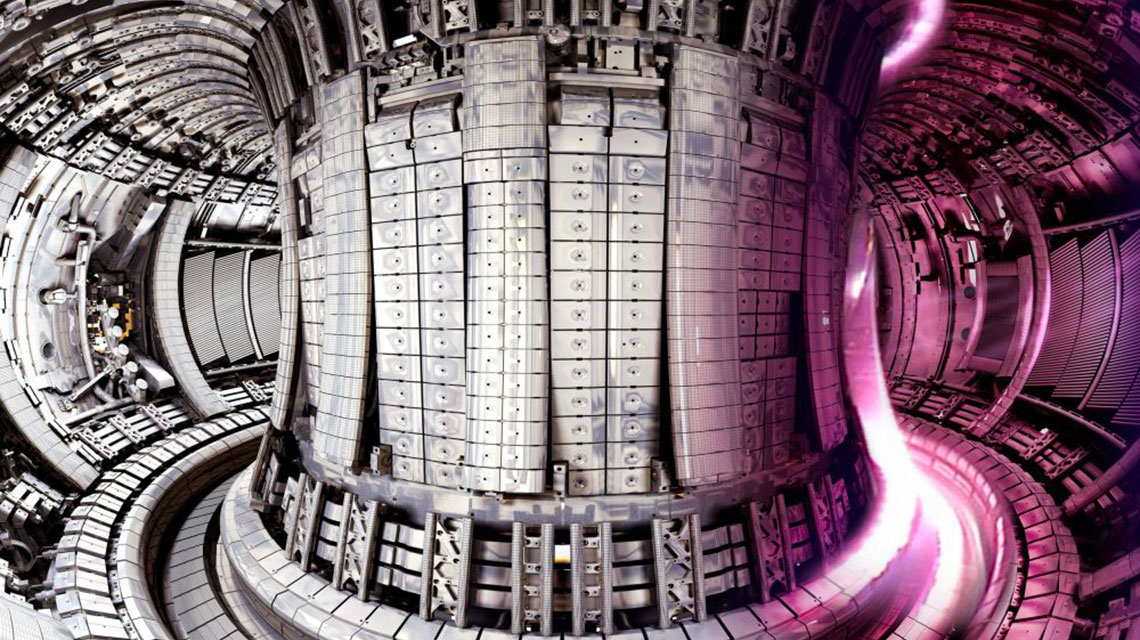
During JET's final experiments (DTE3), high fusion power was consistently produced for five seconds, resulting in a ground-breaking record of 69 megajoules using 0.2 milligrams of fuel, demonstrating the ability to reliably generate fusion energy.
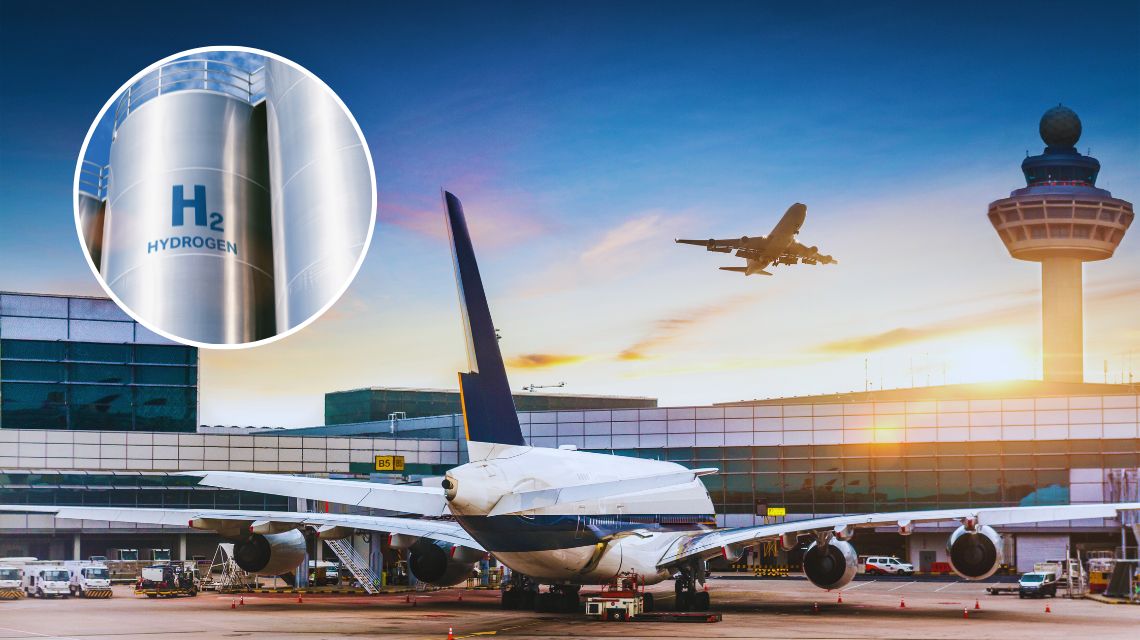
Liquid hydrogen as the next frontier to decarbonise aviation and promote sustainable mobility in airports is the focus of the the project ALRIGH2T[1], coordinated by ENEA, which comprises 21 national and international companies and research bodies, including SEA which manages the Milan airport.
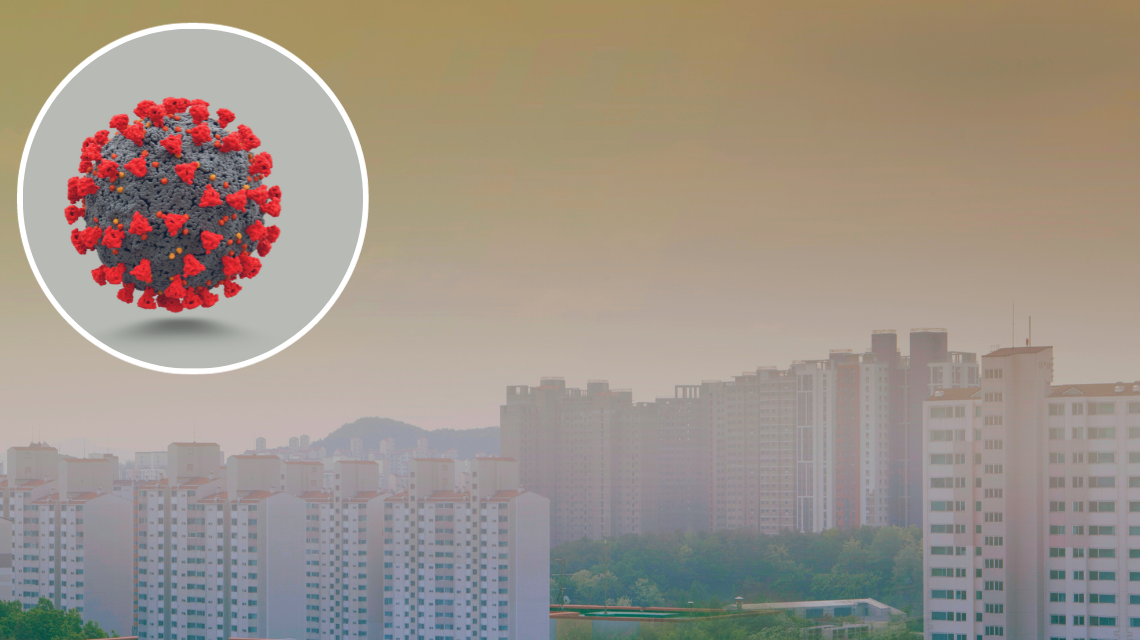
An ENEA/University of Rome Tor Vergata study has highlighted a positive association between atmospheric particulate matter (PM2.5) and the Spike protein of the SARS-CoV-2 virus responsible for Covid. Its findings, which describe the interaction between fine dust and the virus through molecular dynamics simulations performed with the CRESCO6 supercomputer, were published in the online journal “Science of The Total Environment” as part of the Pulvirus project.
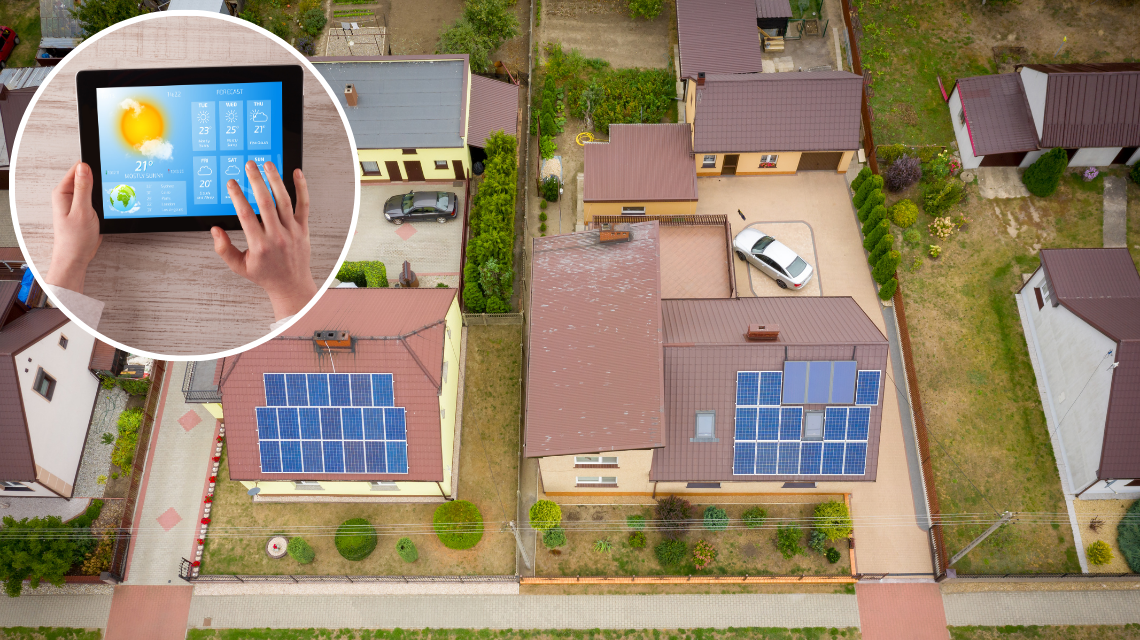
Calculating the energy needs of buildings and the performance of renewable systems increasingly accurately is what ENEA has accomplished by processing data relating to temperature, humidity and solar radiation, with time resolution down to one minute. “The availability of weather-climate data with high temporal resolution is key to assess the energy consumption of buildings because the energy necessary for summer and winter air conditioning heavily depends on local climate conditions”, said ENEA researcher Giampaolo Caputo who, together with Irena Balog, Domenico Iatauro and Paolo Signoretti conducted the study published in the international journal “Sustainability”.

Assessing the potential effects of inhaled or ingested micro and nano-plastics on human health is the objective of the European Project Polyrisk, comprising 15 partners from 7 EU countries, including ENEA and the University of Utrecht (the Netherlands) as coordinator. The study examines how many of these tiny particles often invisible to the naked eye are actually inhaled into our bodies in real-life scenarios like pedestrians on busy streets, athletes training indoors on artificial turf, or factory workers in textile and synthetic rubber industries; studies on impacts of microplastics ingestion will be conducted on drinking water.
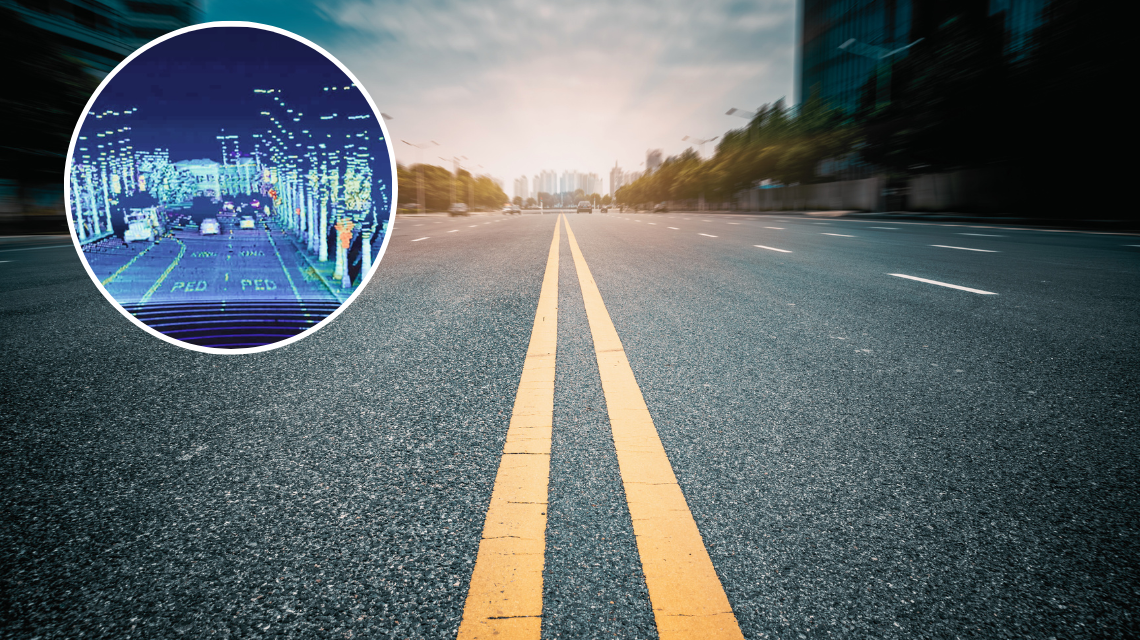
State-of-the-art sensors onboard electric vehicles -both self-driven and human-driven- for monitoring of road surface conditions, have been developed at the ENEA Robotics and Artificial Intelligence Laboratory for the Smart Road project, as part of the "Electrical System Research" program funded by the Ministry of the Environment and Energy Security.