Italian National Agency for New Technologies, Energy and Sustainable Economic Development

MEDIA - Press office ENEA
Press releases and news
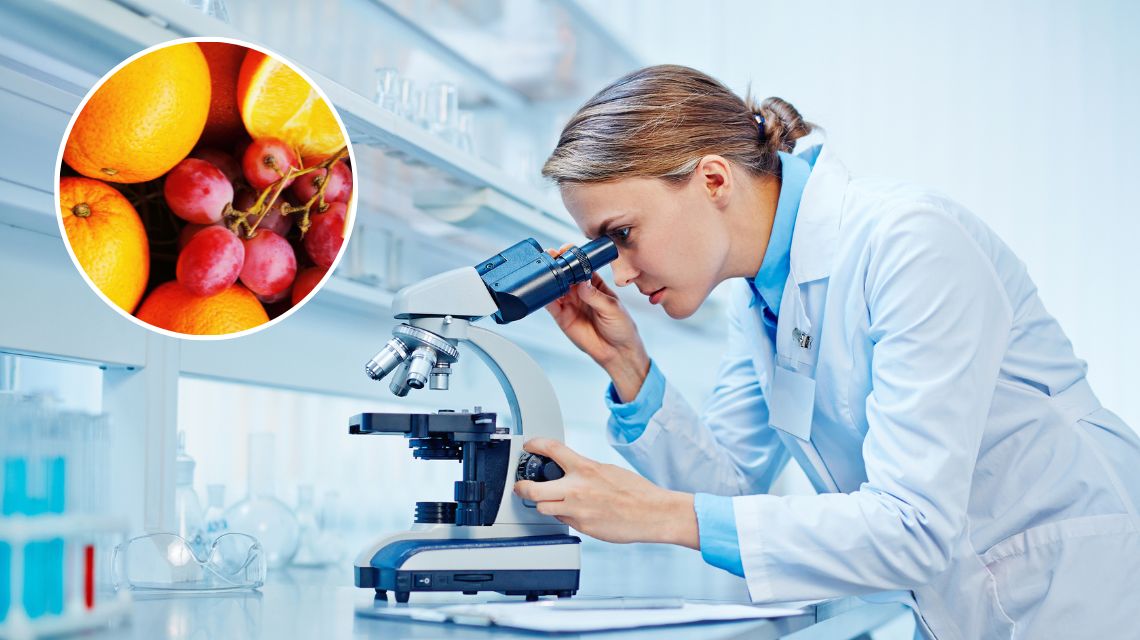
ENEA researchers are developing nutraceuticals prepared from orange, lemon and red vine extracts to lower high blood sugar, as part of the Med-Matrix-3 project, funded by the nutraceutical company Esserre.
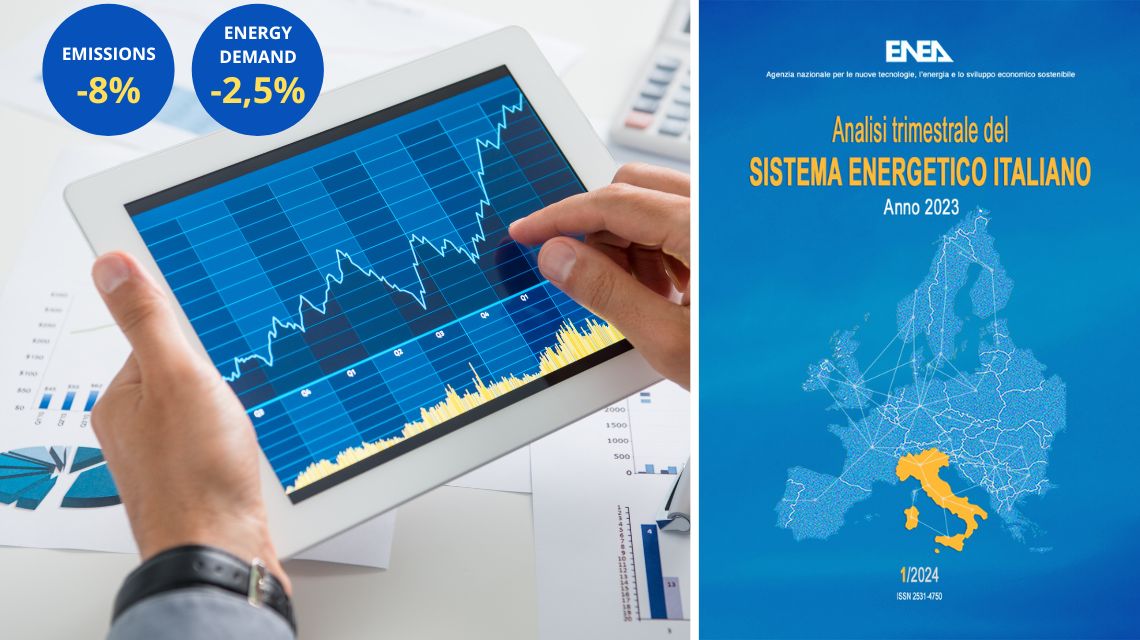
In 2023 the national energy scenario was characterized by a sharp drop of carbon dioxide emissions (-8%) and a further decline of primary energy consumption (-2.5%), slightly lower than the one recorded in the Eurozone (- 3%). Oil is again by far the main Italian primary energy source (35% of total energy supply). However, overall, the share of total energy supply covered by fossil sources - oil, gas and coal – fell to 71%, minimum in 50 years. These are some highlights of the latest Quarterly Analysis of the Italian energy system by ENEA, relating to the whole year 2023. Moreover, last year marked a new high for wind and photovoltaic, which covered 17.5% of demand on an annual basis, thanks to an accelerated growth of installed capacity.
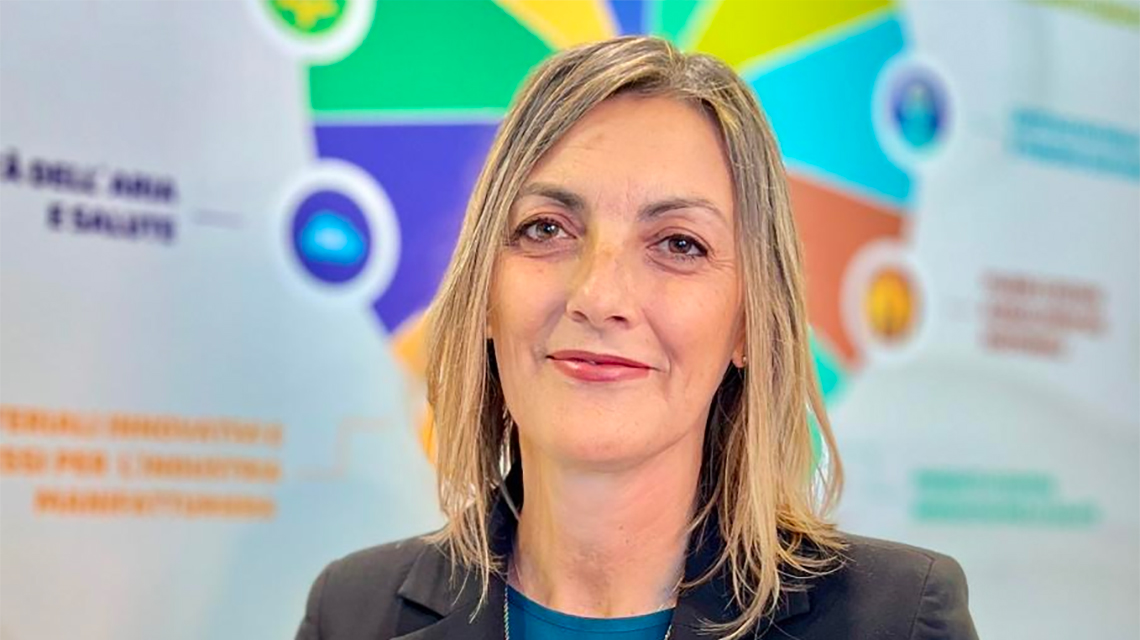
With the appointment of Claudia Brunori, new director of the Sustainability, Circularity and Adaptation to Climate change of Productive and Territorial Systems Department, the percentage of females in leadership positions in ENEA increased to 40% and the percentage at the top of the research departments to 75% (three out of four).
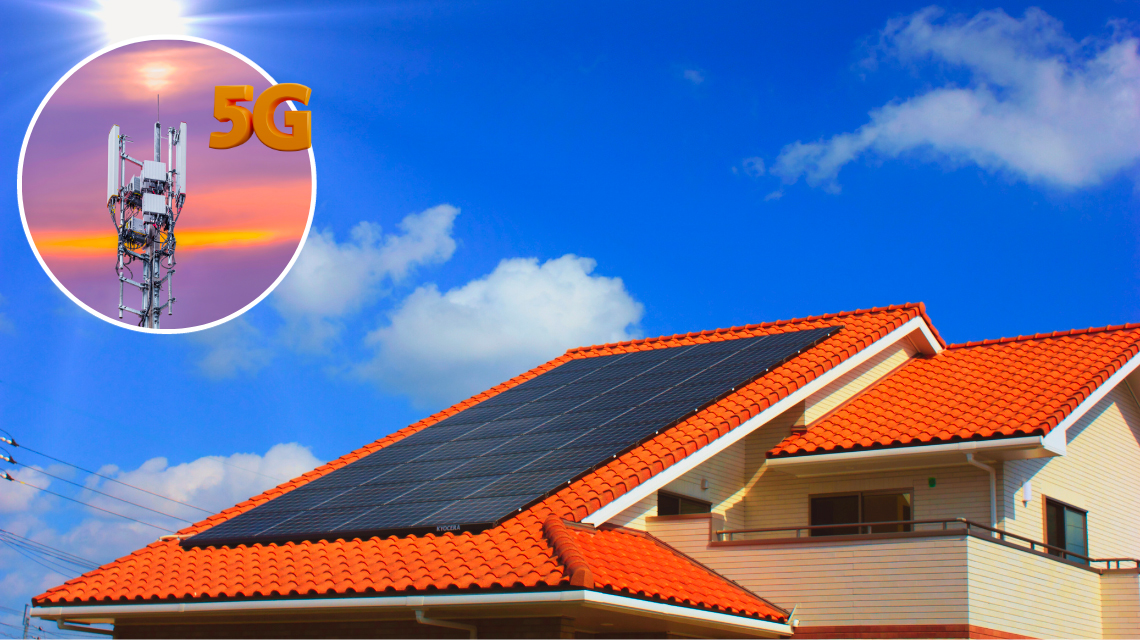
An ENEA study presented at the 2nd International Conference on Energy, Environment and Digital Transition suggests photovoltaic systems affect 5G electromagnetic waves propagation.
ENEA, as part of the project CO2MPARE Evolution to support sustainability, mitigation and adaptation to climate change projects, has created CO2MPARE v.2.0, a new software to calculate CO2 equivalent emissions avoided with European programs.
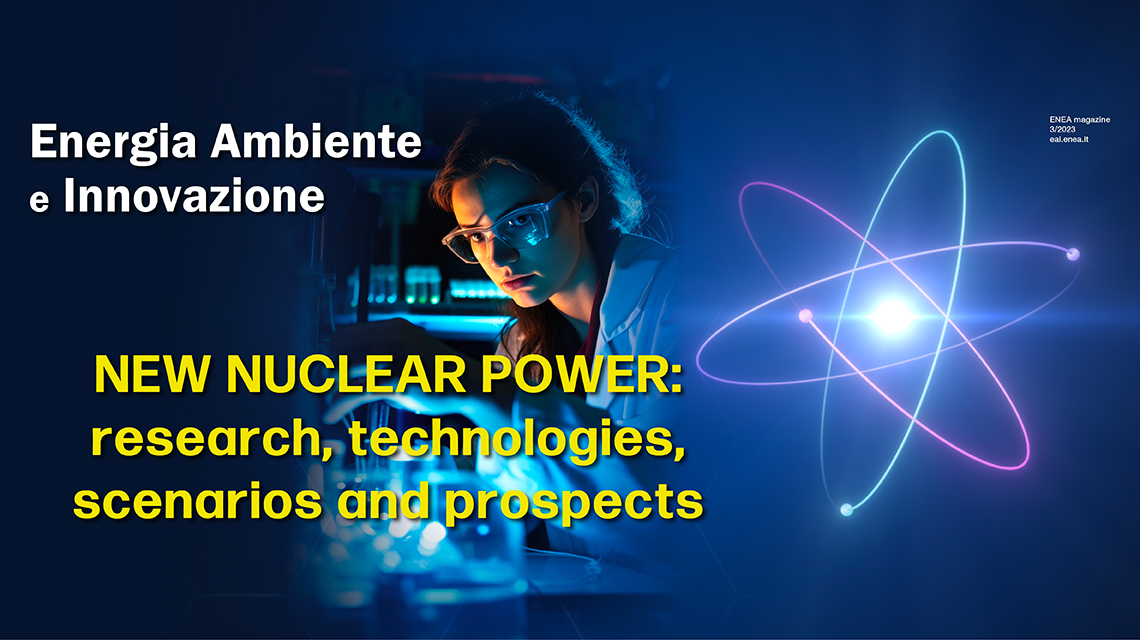
“After decades of nuclear fear, finally also in Italy we are starting to discuss nuclear power keeping an open mind and without rigidly conforming to some idea. Public attitude is changing as it understands that the stop to nuclear power, phased out after two referendums following the Chernobyl and Fukushima accidents, has brought no advantages or safety but rather the delays and environmental risks we are facing today". This was stated by the Minister of the Environment and Energy Security Gilberto Pichetto Fratin in his speech in the ENEA scientific magazine, "Energy, Environment, Innovation", dedicated to "New nuclear power: research, technologies, scenarios and prospects".