Italian National Agency for New Technologies, Energy and Sustainable Economic Development

MEDIA - Press office ENEA
Press releases and news
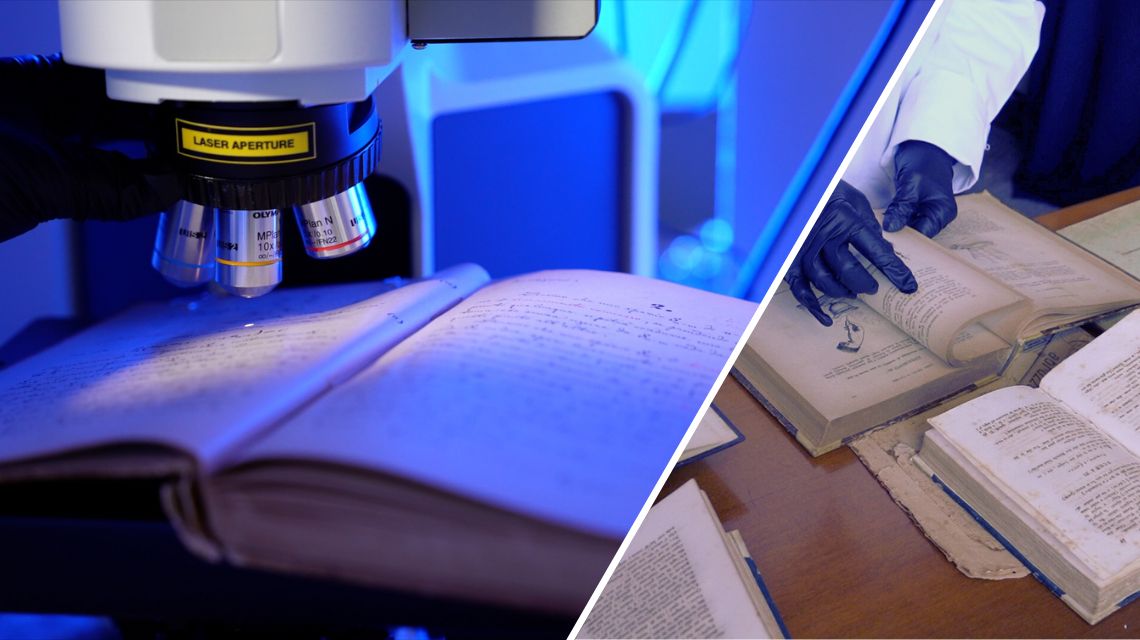
ENEA has developed a diagnostic protocol for non-invasive evaluation of the state of conservation of ancient books and the effectiveness of cleaning treatments adopted by restorers to prevent or slow down aging and deterioration.
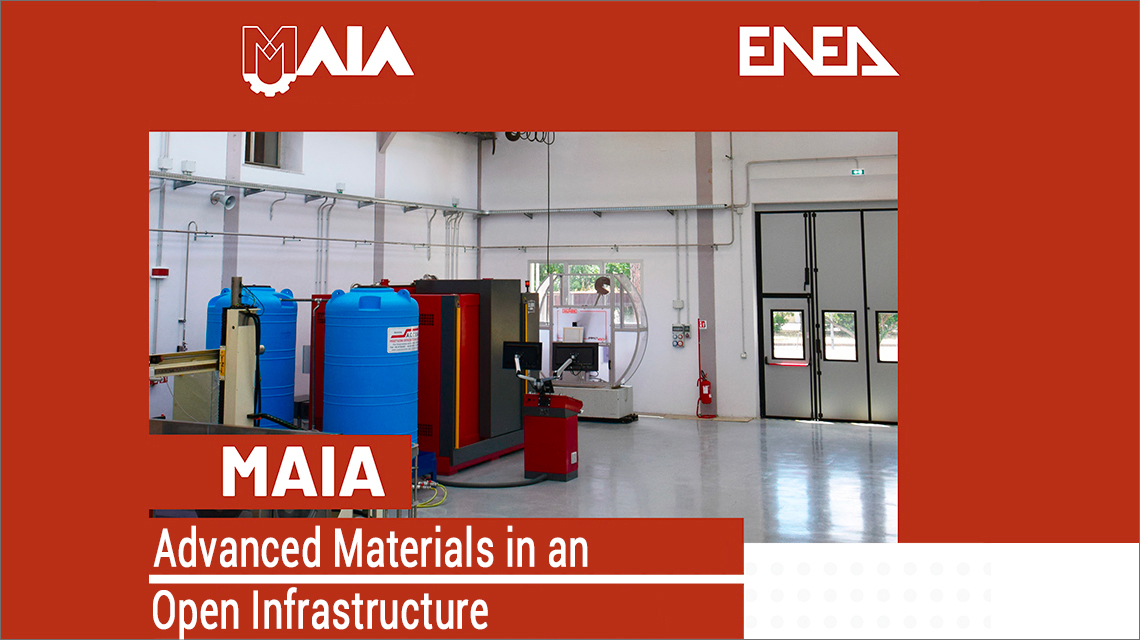
A unique infrastructure in Italy was born for the development, 3D printing, characterization and treatment of next generation components and materials, at the service of research and industry in the aerospace, biomedical, energy and automotive sectors. It is called MAIA (Advanced Materials in an Open Infrastructure) and was inaugurated last June at the ENEA Casaccia Research Center (Rome). Funded with an investment of over 4 million euros by the Lazio Region and ENEA, MAIA is able to produce lighter and more durable materials and components than those manufactured with traditional technologies, while maintaining high functionalities and mechanical resistance at lower costs.
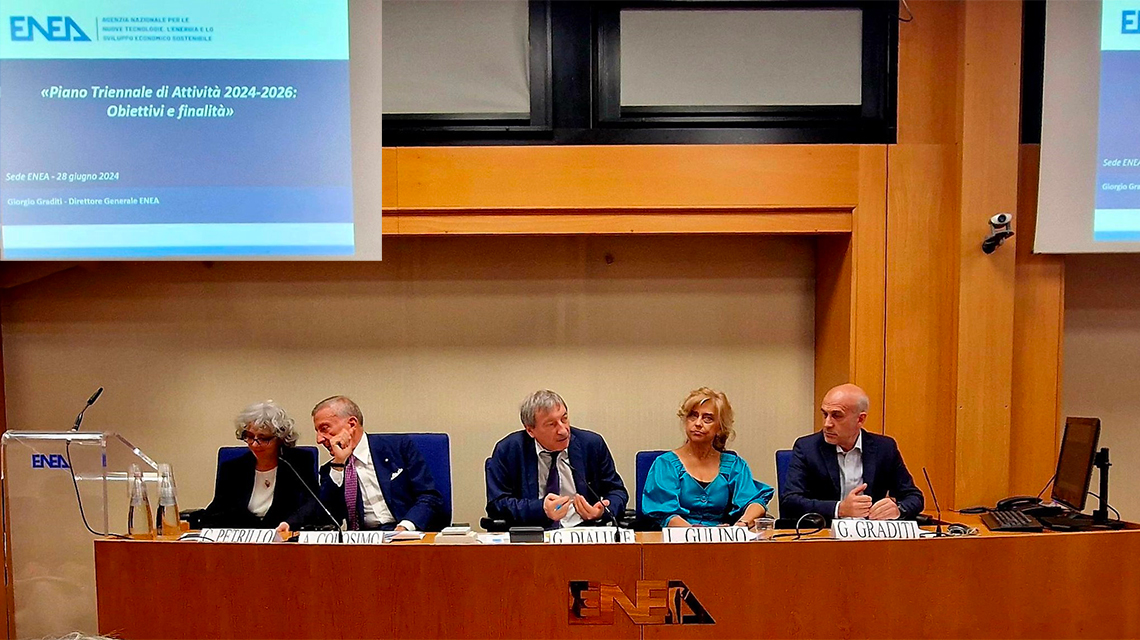
Presented in Rome by President Gilberto Dialuce and General Director Giorgio Graditi, together with director of the General Administration, Planning and Natural Heritage Department of the Ministry of the Environment and Energy Security (MASE) Loredana Gulino, vice-president of ENEA Board of Directors Professor Caterina Petrillo, and president Antonello Colosimo, magistrate of the Court of Auditors delegated to ENEA control, the ENEA 2024-2026 Three-Year Plan envisages investments for approximately 665 million euro, over 300 new employees and further selective procedures, strengthening of research infrastructures and training courses for staff development and gender equality.
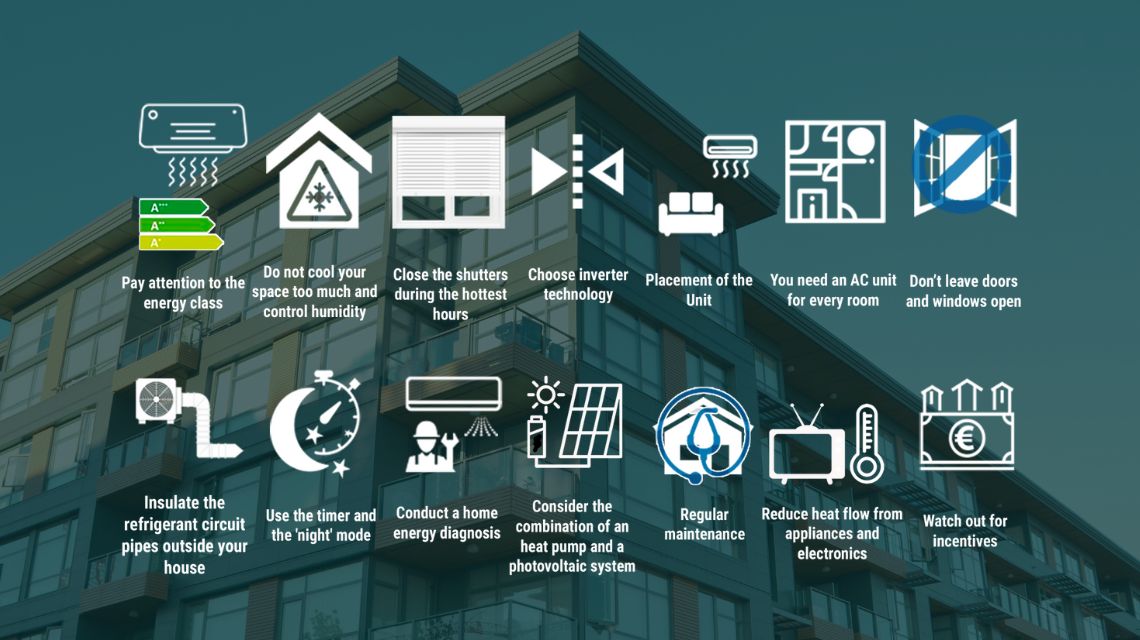
ENEA suggests 14 simple actions you can take this summer to save on air conditioning, increasingly widespread in Italian homes. According to an ISTAT survey, 48.8% of families have air conditioning, rising to 51.2% in the South (49.1% in the North and 44.2% in the Center). At a regional level, the highest diffusion rate is in Veneto (70%), with Valle d'Aosta lagging behind with 4.7%.
ENEA joins the European Industrial Alliance on Small Modular Reactors (SMR) and leads the European network SNETP on sustainable nuclear technologies, which promotes safe, reliable and efficient civil nuclear systems.
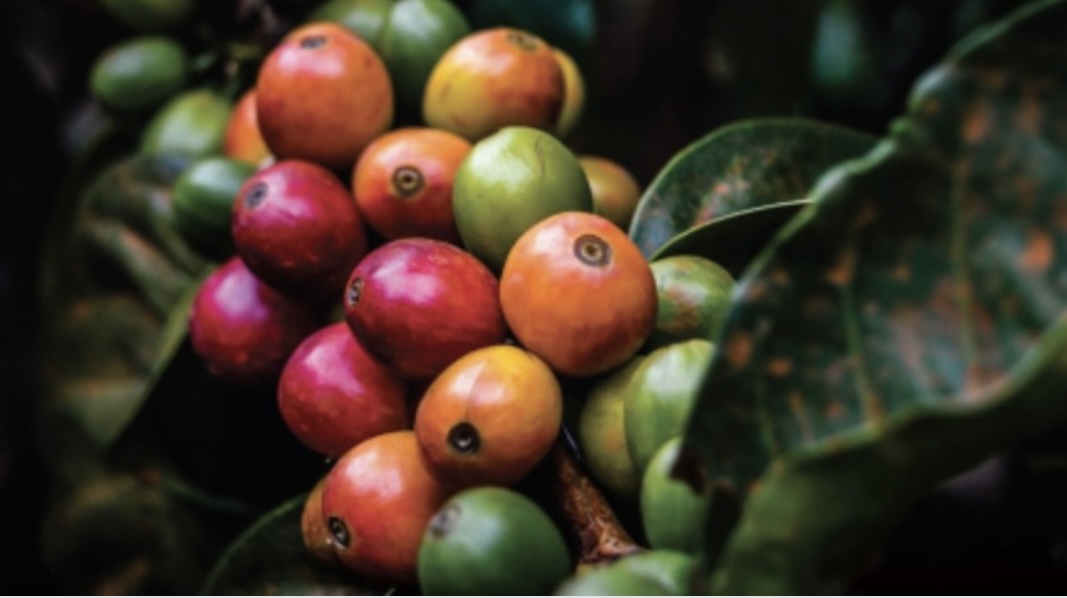
ENEA was part of the international team that sequenced at high resolution the genome of Coffea arabica, the highest quality and most widespread coffee species – accounting for 60% of world production - but also the most vulnerable to diseases and climate change. The research outcomes, published in the journal Nature Genetics, will enable to select the plants most resistant and adaptable to environmental stress.