Italian National Agency for New Technologies, Energy and Sustainable Economic Development

MEDIA - Press office ENEA
Press releases and news
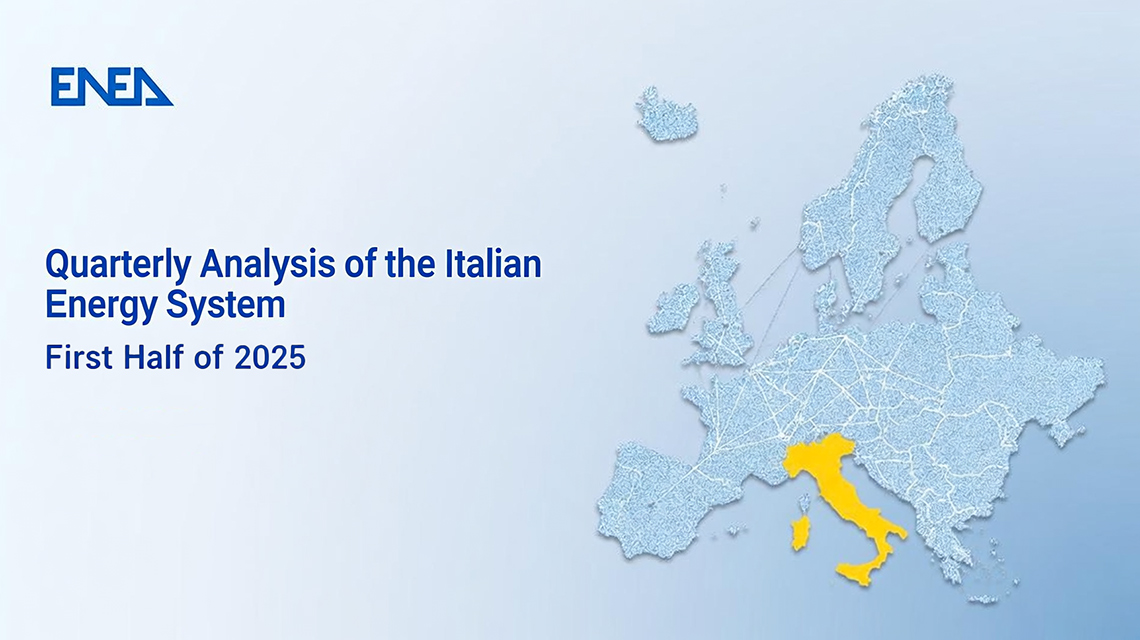
After two and a half years of decline, CO₂ emissions in Italy rose again in the first half of 2025 (+1.3%), despite overall energy consumption remaining broadly stable (natural gas +6%, oil -2%, renewables -3%). This is one of the key findings of ENEA’s Quarterly Analysis of the Italian Energy System, which also highlights that electricity and gas prices remain among the highest in Europe and that the country’s energy transition is on a worsening trajectory, with the ISPRED index down by 25% year-on-year.
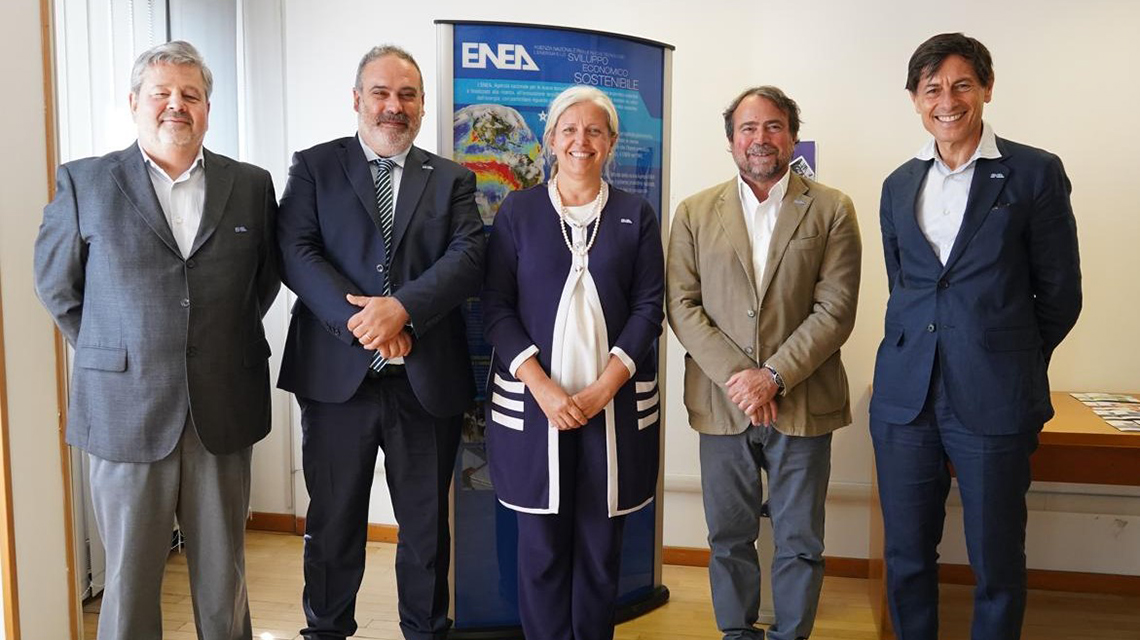
The new ENEA board of directors officially took office. President Dr. Francesca Mariotti, together with board members Eng. Michele Ennas, Dr. Massimo Iannetta, Prof. Gian Piero Joime, and Dr. Claudio Pioli —the latter elected by ENEA researchers and technologists— took charge of guiding, planning and supporting the Agency’s activities, in full compliance with the political-administrative mandate entrusted to the board.

Combating climate change, preventing land degradation and fostering the development of a bioeconomy through resilient agricultural soil management was the aim of the European project EJP SOIL in which ENEA participated by developing activities together with stakeholders, member states and the relevant directorate general of the European Union. The goal was to promote farmers as ‘custodians of the earth’ and soil resources, able to support climate measures and the implementation of European policies, particularly the Common Agricultural Policy (CAP).

The first pan-European climate service has been launched, which provides high-definition maps and real-time geophysical data with a particular focus on coastal areas most exposed to flood risk. The service has been developed as part of the European project CoCliCo (Coastal Climate Core Service), which includes ENEA.
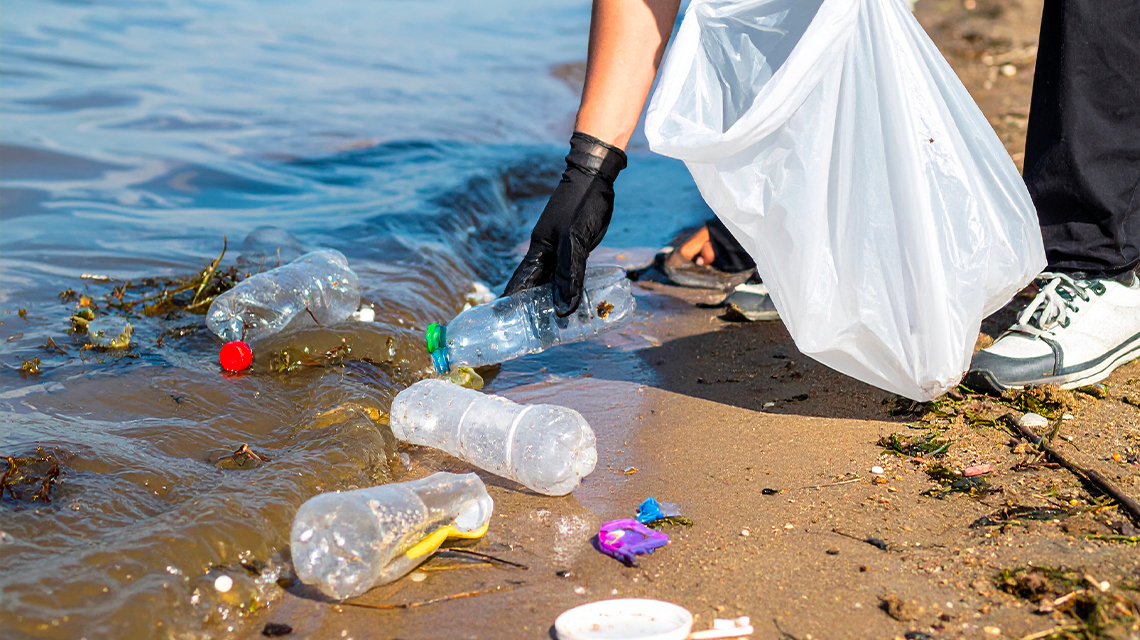
Plasticentro is a project funded by the Ministry of Environment and Energy Security with the aim of performing monitoring and countering of macro- and microplastics in the waterways of the central Apennines. The project also includes knowledge enhancement in the target territories and involves ENEA, ARPA Umbria, ARPA Lazio, Marche Polytechnic University and Legambiente, under the guidance of the Central Apennine District Basin Authority.
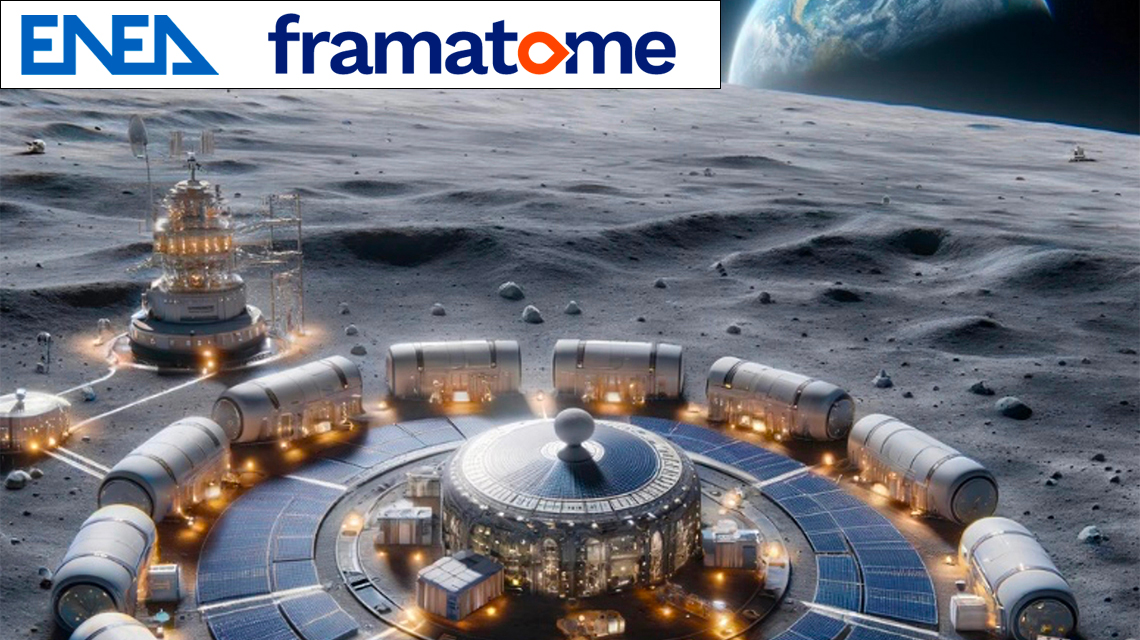
Framatome and ENEA have signed a memorandum of understanding (MoU) to explore advanced technological solutions for designing nuclear fission reactors aimed at powering future lunar settlements.
Due to its ability to operate in harsh environmental conditions and its durability, a nuclear reactor can provide reliable and continuous energy - especially during long lunar nights - thereby enabling a sustained human presence on the Moon. It is against this backdrop and common vision that Framatome and ENEA have decided to join forces.