Italian National Agency for New Technologies, Energy and Sustainable Economic Development

MEDIA - Press office ENEA
Press releases and news
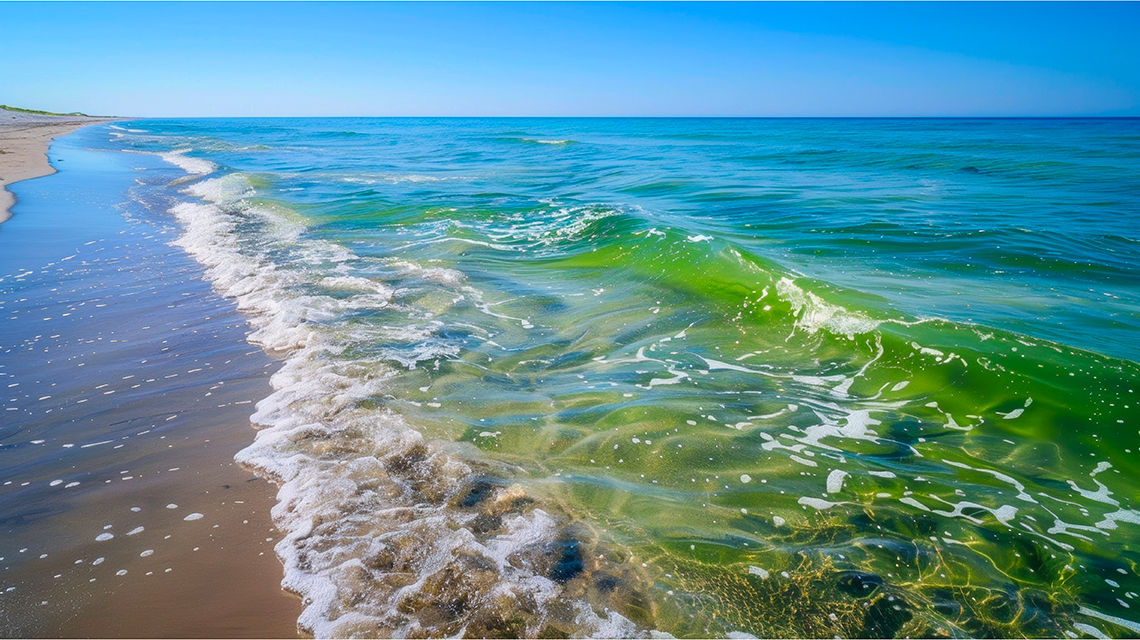
In over two decades, nutrient-poor and low-biodiversity areas in the global oceans have nearly doubled, going from 2.4 to 4.5 due to desertification. This phenomenon results in severe nutrient deficiency and could have a significant impact on ocean health and the global climate, as shown by an international study conducted by the ENEA Climate Models and Services Laboratory in collaboration with the ISMAR-Cnr Institute of Marine Sciences and the Chinese State Key Laboratory of Satellite Ocean Environment Dynamics (SOED). The study, published in the scientific journal 'Geophysical Research Letters, focuses on analysing changes in phytoplankton, the set of microorganisms that form the base of the marine food chain (they are the food of zooplankton, fish and other organisms) and play a vital role in mitigating climate change by removing atmospheric carbon dioxide (CO2) through photosynthesis.
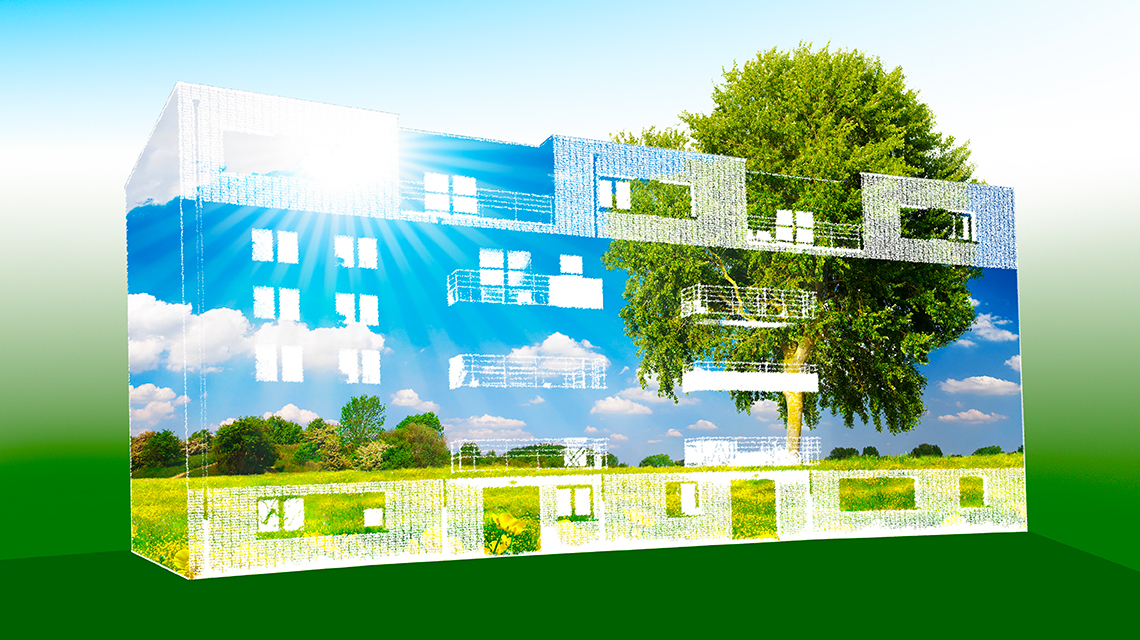
The use of OSC (Off-Site Construction) prefabricated components can offer multiple benefits for building renovations. This is the main finding of a study conducted by ENEA within the framework of the OFFICIO project , developed in collaboration with the Politecnico di Milano, the Università Politecnica delle Marche, and the University of Bologna. The analysis, authored by researchers Claudia Toro, Carlos Herce, Miriam Benedetti, and Tiziana Susca from the ENEA Energy Efficiency Department, examined the Italian off-site construction value chain. This approach enables faster, more cost-effective, and sustainable building renovations using prefabricated components manufactured in factories, transported to construction sites, and installed on-site.
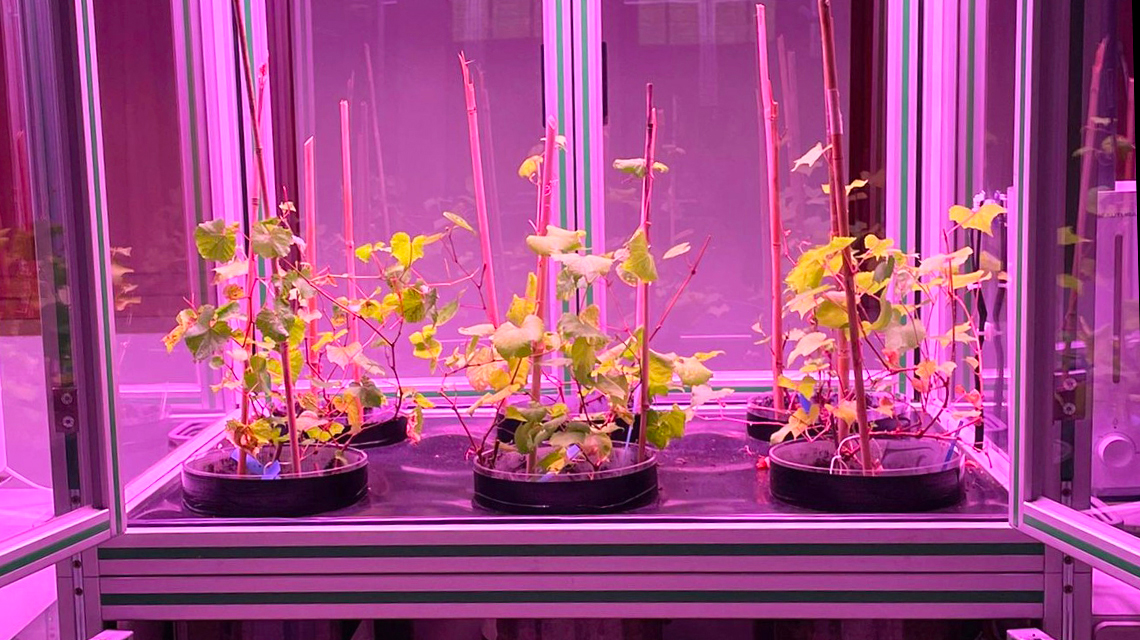
The Santa Chiara Lab of the University of Siena chose “Microcosmo”, an hi-tech simulator of a cultivated field created by ENEA and FOS spa, to perform the experimentation to study stress water impact on vines, conducted as part of the activities of the METROFOOD – PNRR project.

Making new biofertilizers using urban waste, agro-food waste and volcanic ash is the goal of the European project LANDFEED, which ENEA presented at ECOMED, the reference event for Sicily and the Mediterranean in the field of environmental technologies and energy systems. ENEA was present at the Catania fair with a booth (Hall 2 no. 301-303) and a calendar of thematic conferences dedicated to circular economy, industrial symbiosis and water resources. ENEA will develop an industrial symbiosis web platform designed to simplify residue management and facilitate its use in the production of biofertilizers.

ENEA has printed lithium-ion and sodium batteries for the first time using the “rotogravure” technique, widely used in the packaging industry and in printing newspapers, magazines and currency. Some of the results of these applications have been published in Batteries and could contribute to more sustainable and potentially cheaper battery production for their potential to reduce material and energy consumption.

ENEA previewed Pharaoh Ramses II's head reproduction at the International Exhibition of Cultural and Environmental Heritage held in Ferrara from 14 to 16 May. The model underwent gamma irradiation at the Calliope facility at the ENEA Casaccia Research Center to eliminate the microbial communities responsible for the formation of a white patina on its surface. The contamination of the ‘skin’ of the mummy, created by a laboratory at Sapienza University of Rome, was caused by contact with visitors’ hands during various public exhibitions, including the one at the Museum of the Near East, Egypt and the Mediterranean (VOEM). The treatment was carried out in the Calliope irradiation plant of the ENEA Casaccia Research Centre (Rome), where a complete representation of the whole mummy will also be treated in the coming months.