Italian National Agency for New Technologies, Energy and Sustainable Economic Development

MEDIA - Press office ENEA
Press releases and news
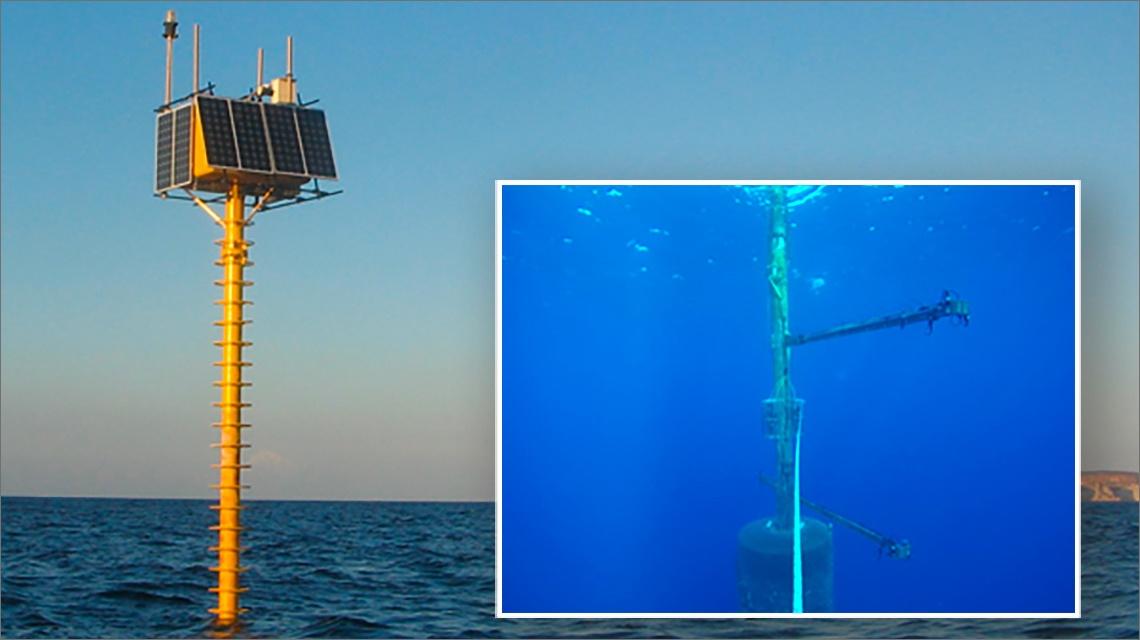
30 years after its creation the ENEA Station for climate Observation in Lampedusa has become the first European 'sentinel' site for an integrated monitoring of the carbon cycle in the atmosphere and sea, as part of the European research infrastructure ICOS joined by hundreds of scientists and researchers operating in over 150 stations in 13 countries. In the waters of the Sicilian island, new hi-tech tools have been installed to collect strategic information and data on CO2 concentration levels and the exchanges between ocean and atmosphere, made available to over 200 scientific organizations.
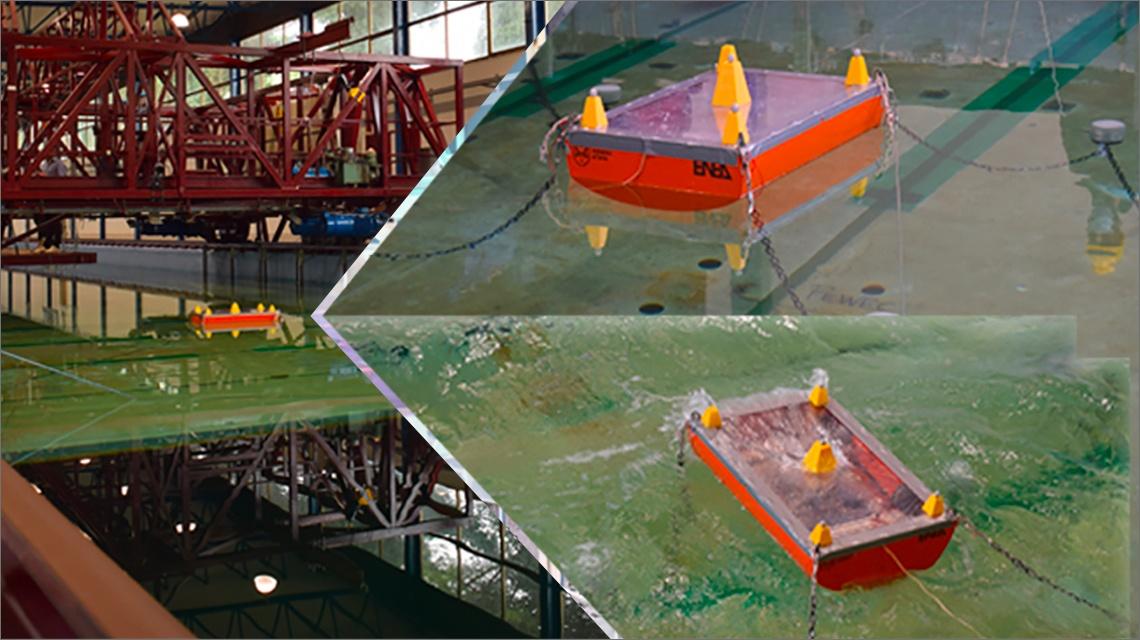
ENEA and Polytechnic University of Turin have developed a 2.0 version of PEWEC, a wave energy converter for the Mediterranean, where the waves are of small height and high frequency. This low-cost device to harness wave energy could be useful to the many small Italian islands which are not energy self-sufficient and where electricity is supplied by expensive and polluting diesel powered generators.

Two young ENEA researchers have received important international awards for technical-scientific studies in nuclear safety.
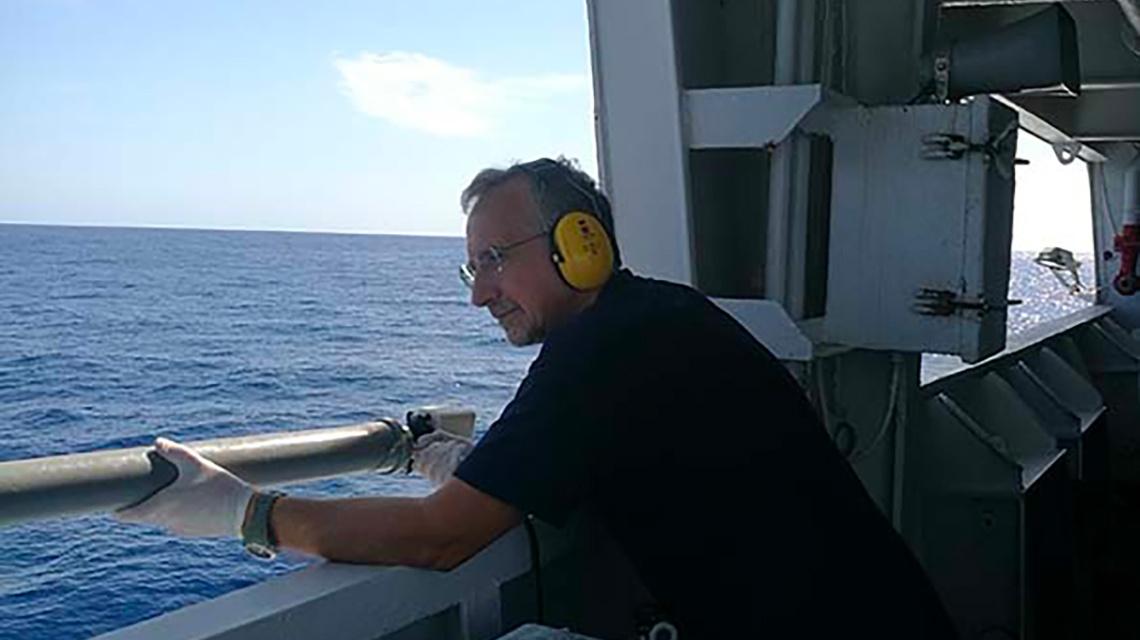
According to a study published in the journal Advances in Atmospheric Sciences, ocean temperatures set a new record in 2021, continuing their record-breaking temperature streak for the sixth straight year , and the Mediterranean is an hot spot of the global crisis, warming up faster than the rest of the planet.
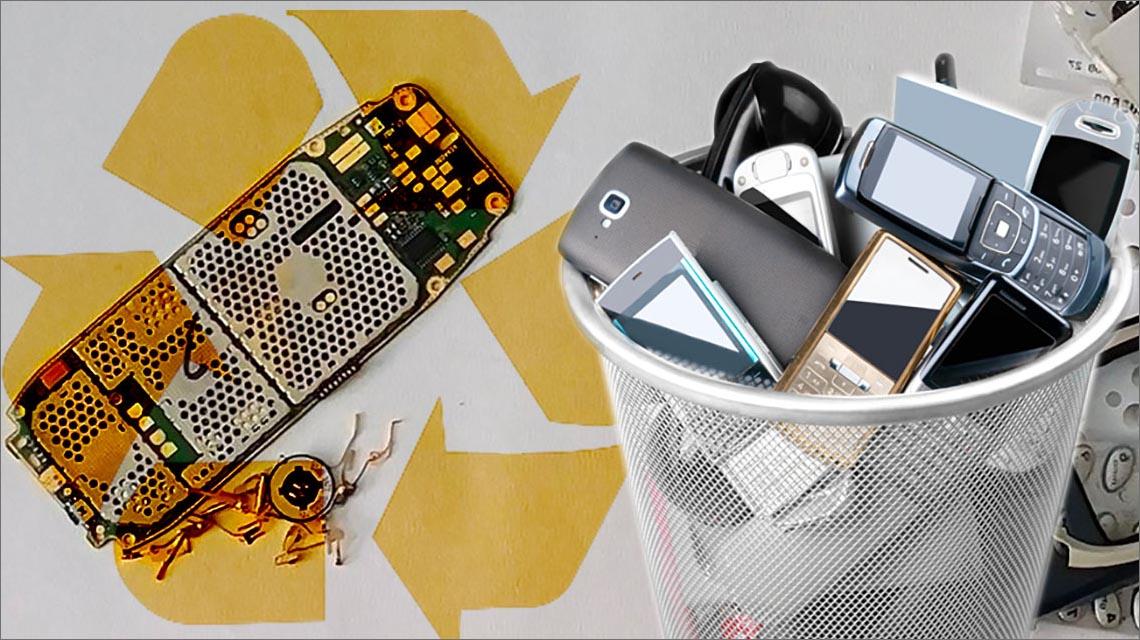
Developing a new process to recover high-value materials and metals from end-of-life mobile phones with a view to circular economy. This is the goal of the project PORTENT, co-funded by the Lazio Region with approximately 140 thousand euro through the European Regional Development Fund and coordinated by the ENEA Laboratory 'Technologies for Reuse, Recycling, Recovery and Valorisation of Waste and Materials'.
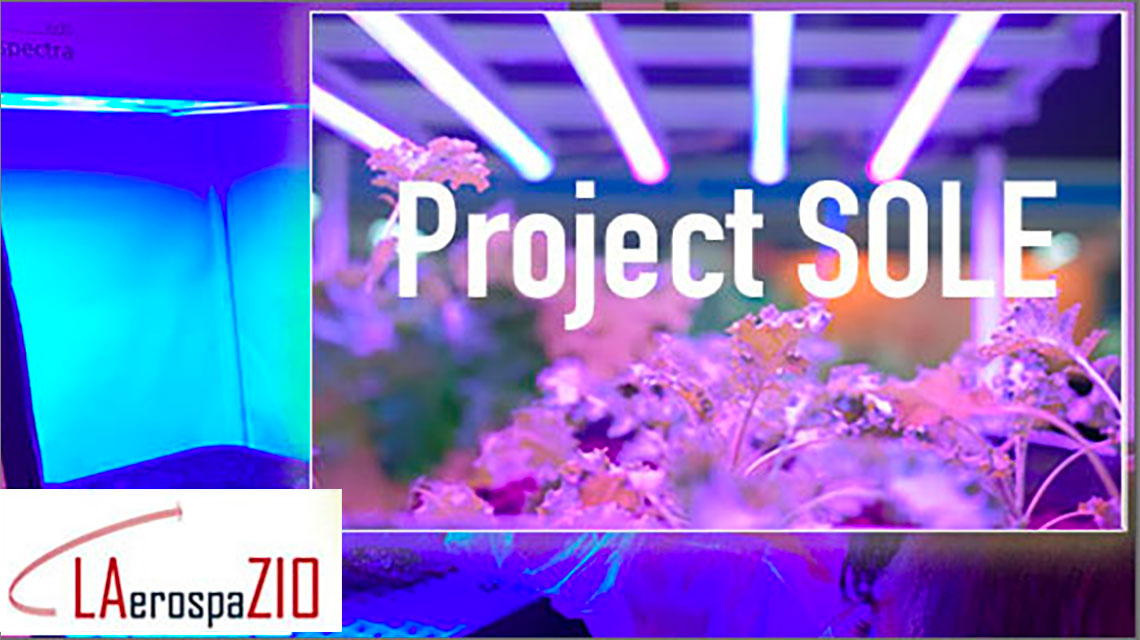
Developing high-tech LED lighting systems for use in 'space gardens' to grow microgreens capable to supply the astronauts’ diet with highly nutritious substances. This is the goal of the project SOLE ("Optical System of LED lighting and hyperspectral control for the cultivation of plants for space applications"), comprising ENEA, the Italian Space Agency (ASI) and the company G&A Engineering, funded by the Lazio Region as part of the 'LAerospaZIO' call for the promotion of technology transfer in the aerospace sector.