Italian National Agency for New Technologies, Energy and Sustainable Economic Development

MEDIA - Press office ENEA
Press releases and news
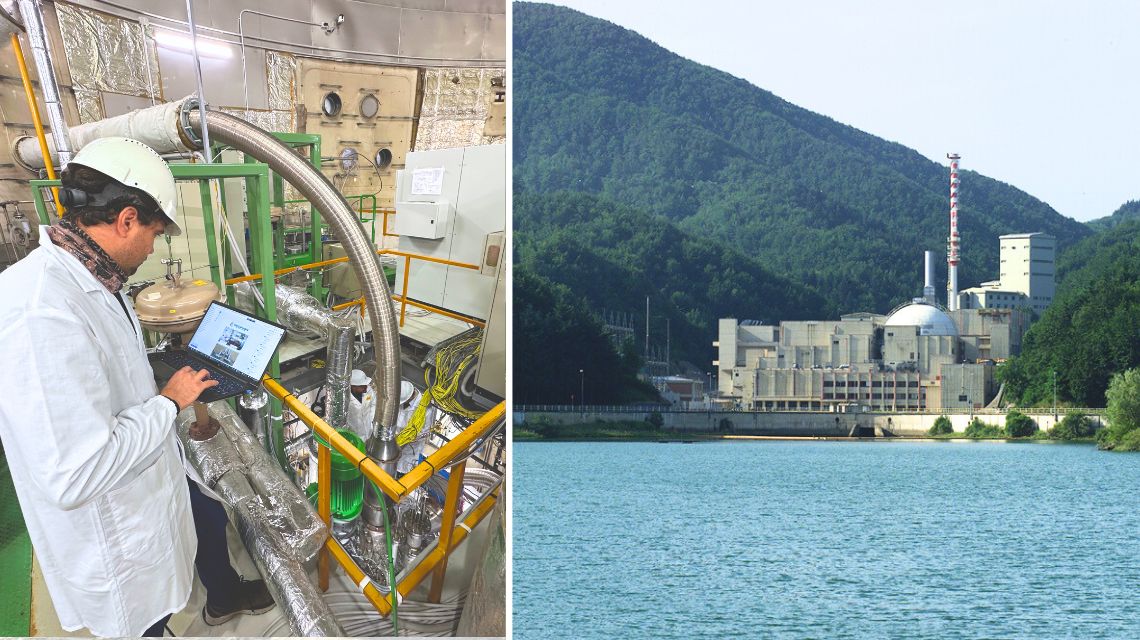
Demonstrating the feasibility of safe, reliable and sustainable nuclear systems by developing - by 2026 - the first electrical simulator of a liquid-lead cooled reactor is the goal pursued by ENEA and newcleo at the ENEA Research Center in Brasimone (Bologna), an international center of excellence for the development of liquid metal technologies.
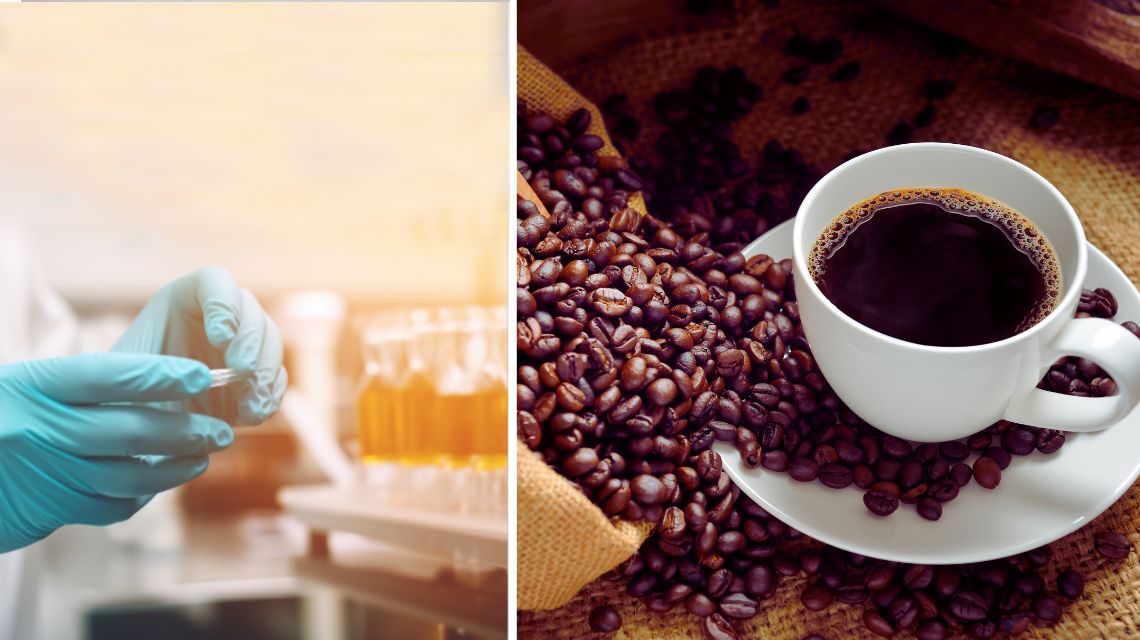
An identitification card to provide proof of quality and traceability of coffee - one of the world's most widely consumed products - is the outcome of a collaboration between ENEA, the company Pnat (a spin-off of the University of Florence), the Accademia del Caffè Espresso (La Marzocco) and the coffee regulatory bodies of eight countries in Central and South America. The goal is to achieve traceability of premium quality coffee (specialty coffee) and improve the livelihoods of smallholder coffee farmers whom often are the main producers of specialty coffees.
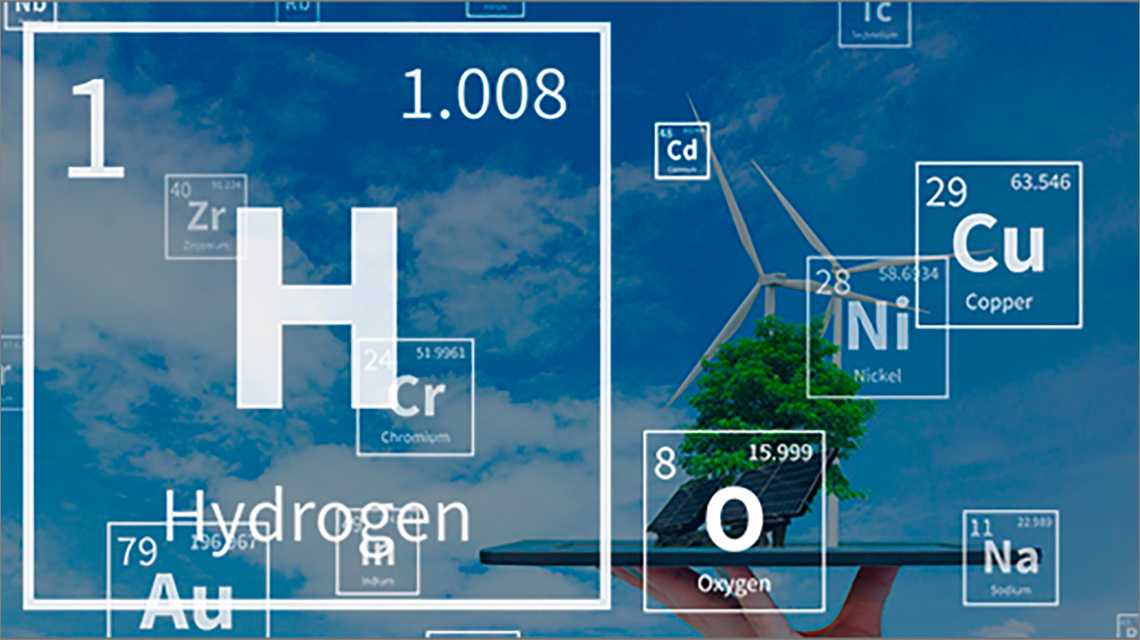
“The pathway for developing hydrogen has begun and there will be no turning back. The road ahead is long, but our Country has all the skills required in terms of research, innovation and industry to promote the penetration of hydrogen into the energy mix”, said ENEA Director General Giorgio Graditi during the first national event of the Operational Research Plan (POR) on Hydrogen organized by ENEA in collaboration with the RSE and CNR, which took place in Rome at the Pontifical University Antonianum.
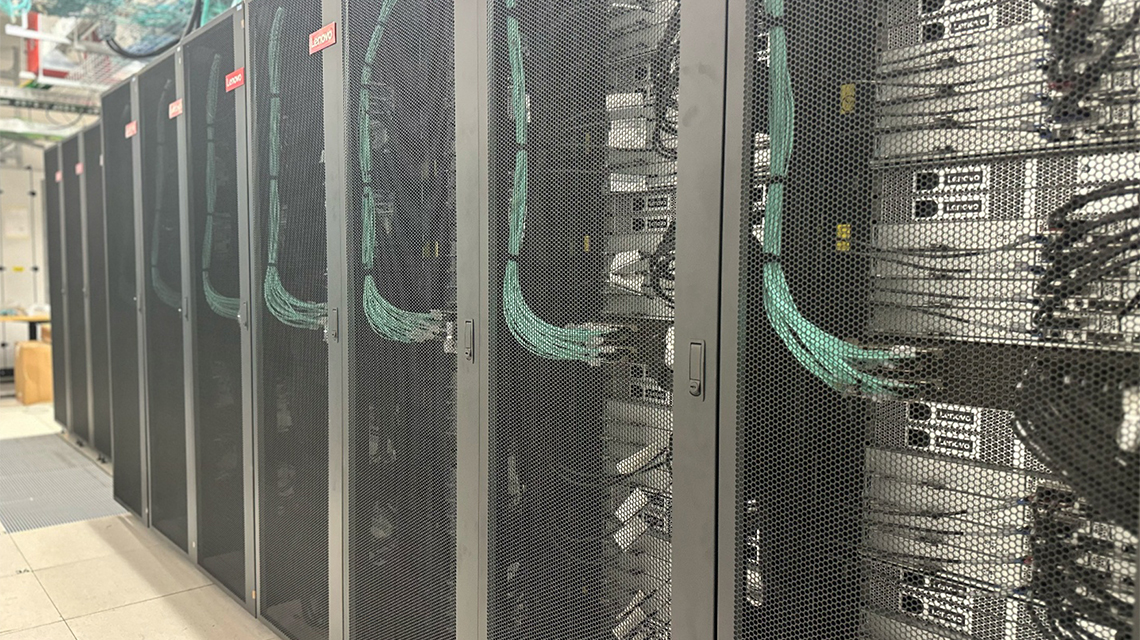
The new system will be called Pitagora and will become part of the Bologna Tecnopolo ecosystem, becoming one of the top 50 supercomputers in the world. It will be able to perform approximately 55 million billion operations per second with maximum energy efficiency thanks to the use of Lenovo Neptune's innovative water cooling technology.
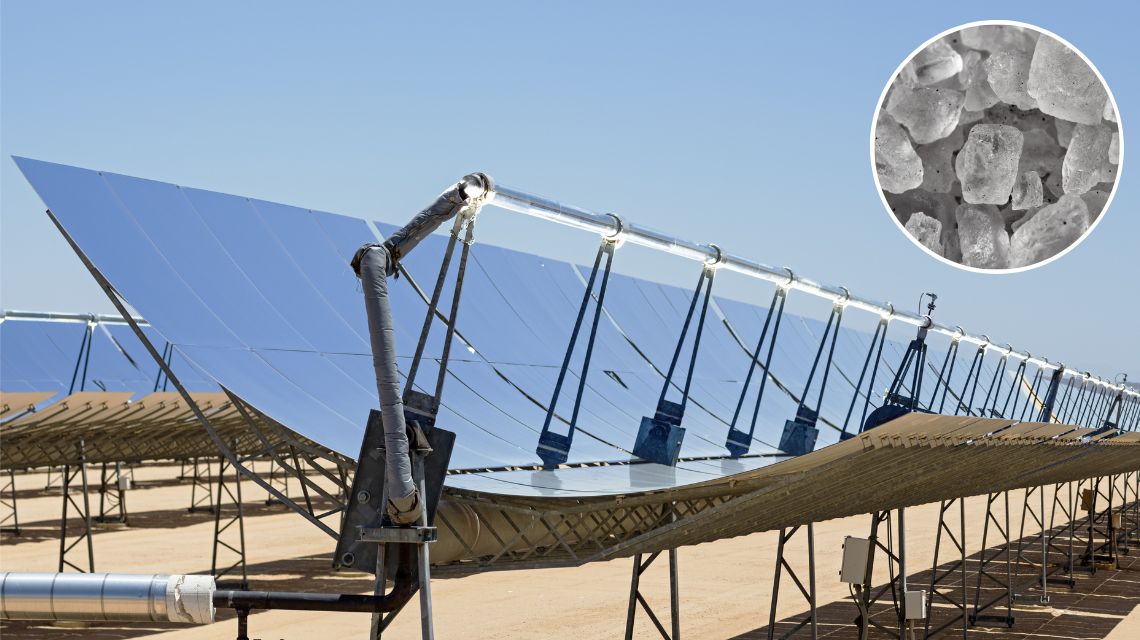
Accelerating technology transfer to companies in the CSP sector -concentrated solar power plants- using molten salts is the objective of the EU project EuroPaTMoS, comprising seven partners from four European countries, including ENEA. The transnational nature of the project makes it possible to create a stable connection for future joint research and development actions in this sector among Germany, Spain, Portugal and Italy, in which the ENEA Casaccia Research Center (Rome) acts as a point of reference for national research activities.
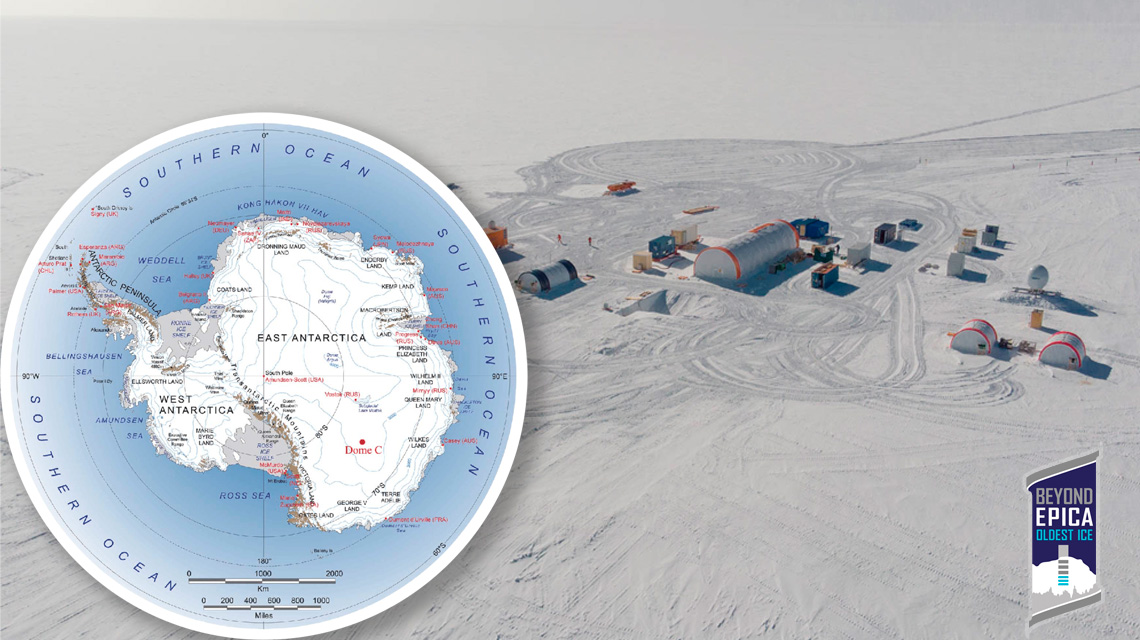
A research team from twelve European scientific institutions has begun the fourth and decisive drilling campaign of the Beyond EPICA - Oldest Ice project at the Little Dome C camp, located 35 kilometers from Italian-French Concordia Station, in Antarctica. This international endeavor, led by the Institute of Polar Sciences of the National Research Council (Cnr-Isp), aims to drill from the depth reached last season, 1,836 meters, down to 2,750 meters, where the bedrock is expected to be found. Ice at this depth could hold records of Earth’s climate history dating back as far as 1.5 million years, revealing, for the first time, direct information on atmospheric temperature and greenhouse gas concentrations over such an extended period.