Italian National Agency for New Technologies, Energy and Sustainable Economic Development

MEDIA - Press office ENEA
Environment: Liguria – ENEA unveils 3D-printed bio-reefs to regenerate the sea
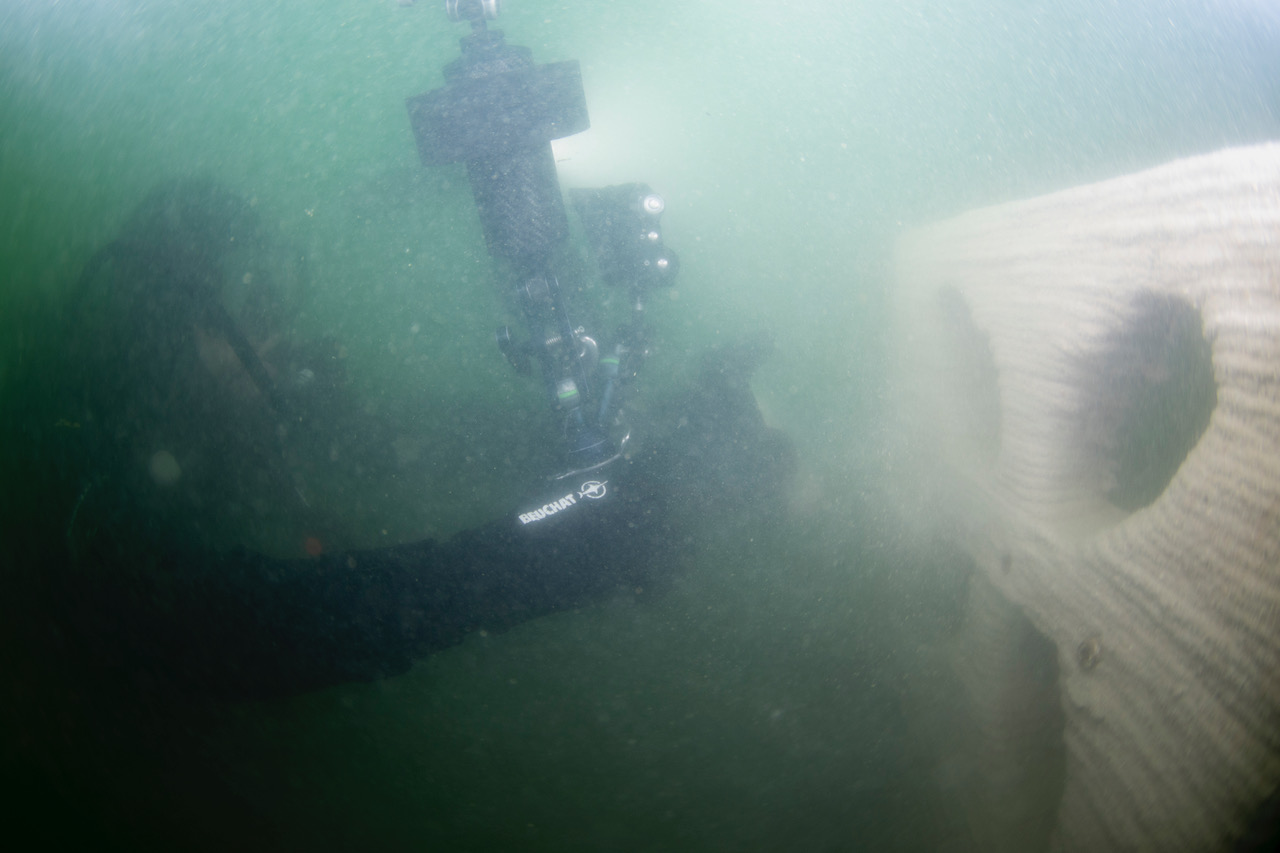
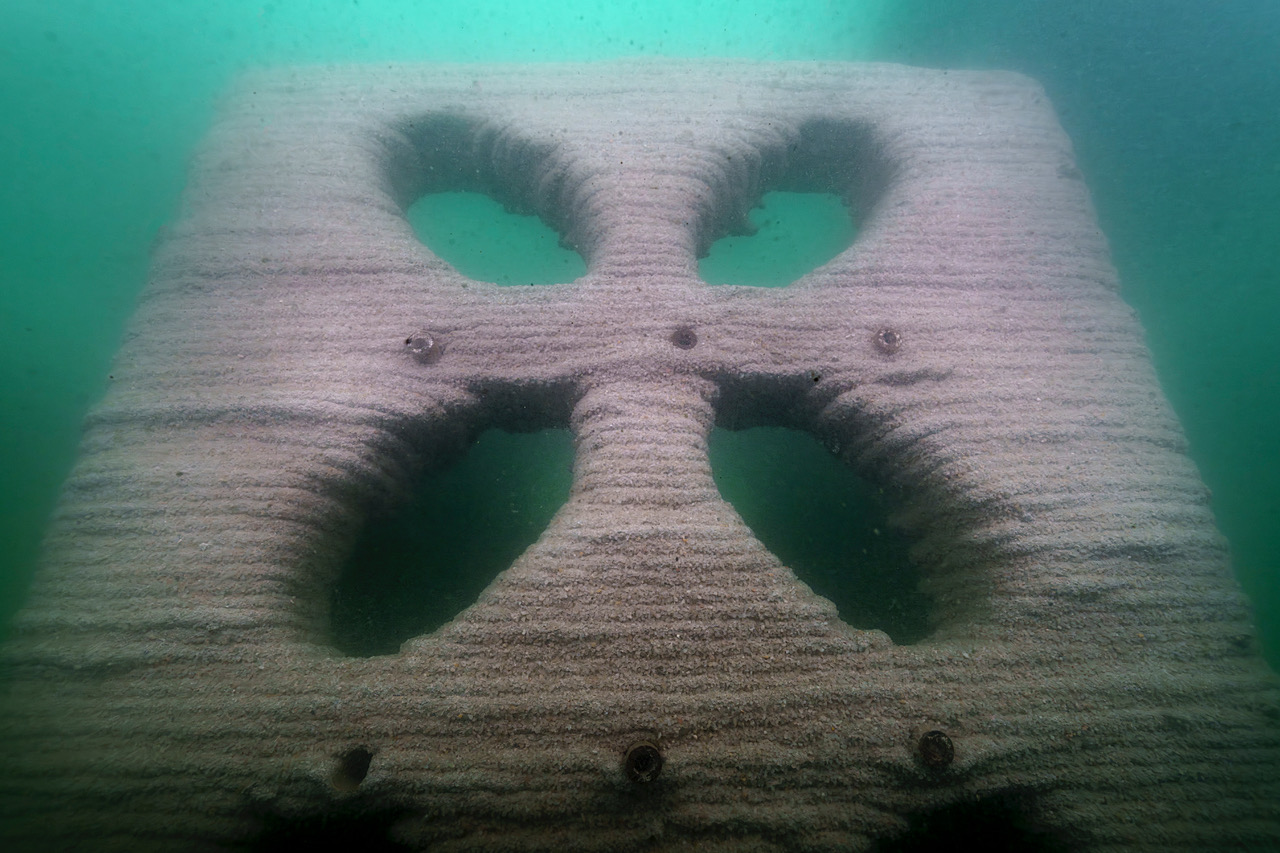
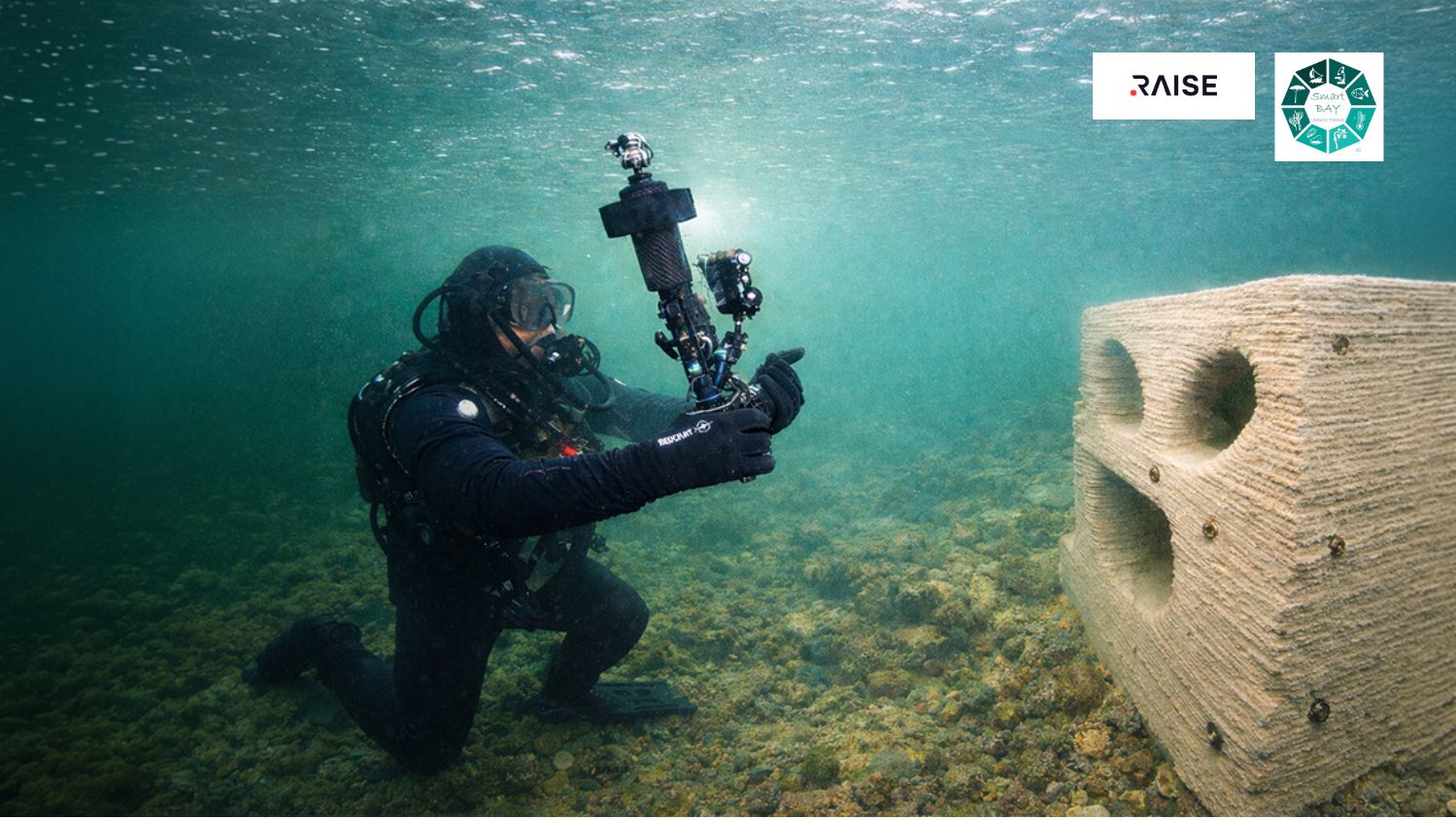
ENEA has deployed three new bio-reefs in the centre of the Bay of Santa Teresa in Lerici (La Spezia), made from an innovative mortar containing mussel shells, with the aim of promoting the repopulation of the European oyster (Ostrea edulis), a filter-feeding mollusc that helps to regenerate marine environments, protect biodiversity and regulate the climate. The initiative was carried out by ENEA in collaboration with the Cooperativa di Mitilicoltori Associati, the Municipality of Lerici and the Scuola di Mare as part of the RAISE [1] project to develop nature-based regenerative solutions aimed at restoring natural habitats and rehabilitating port areas.
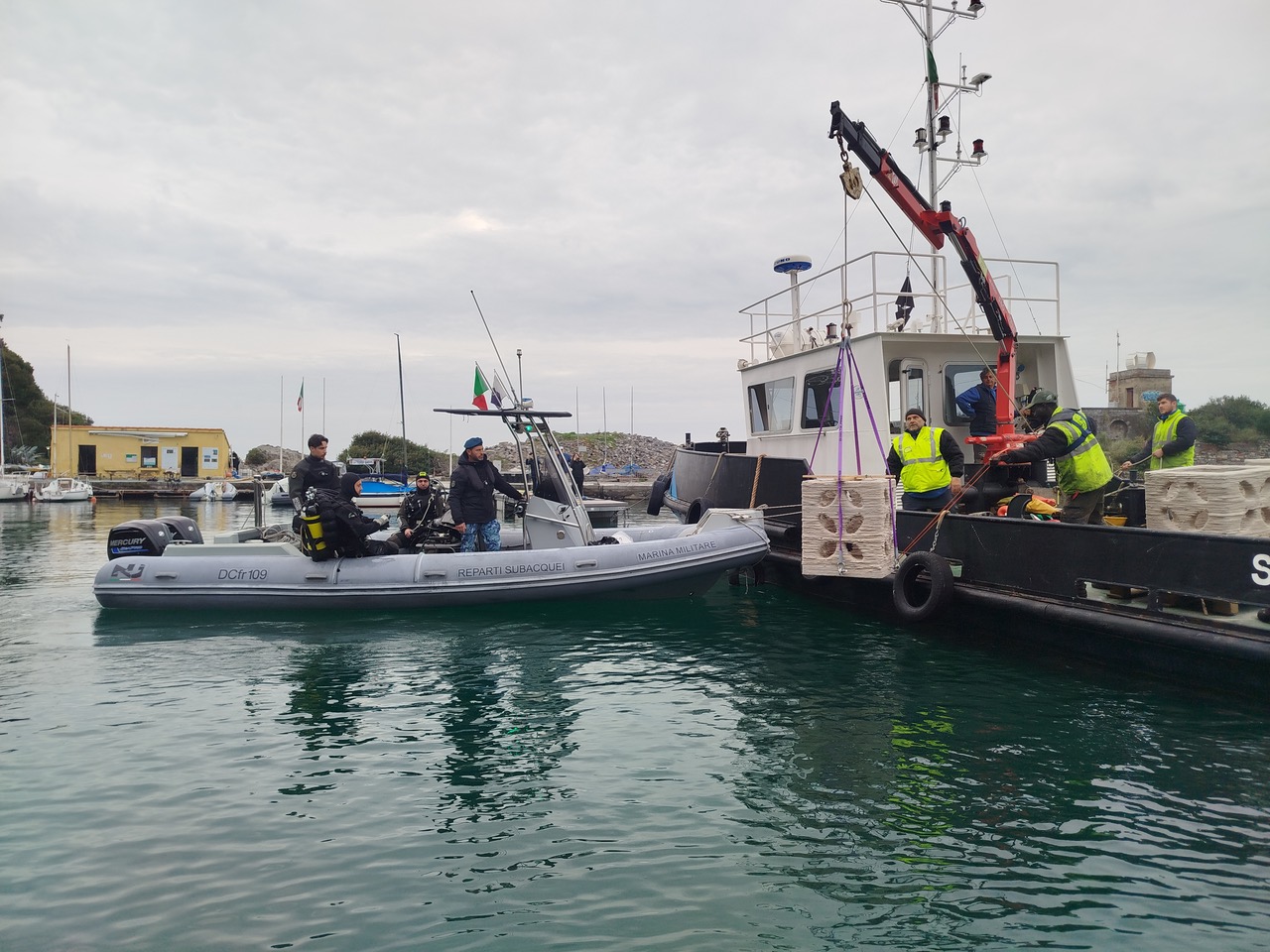
3D-printed using a mixture of mussel shells (40%) and biocompatible cement, the three new reefs were created as part of a PhD project involving collaboration between ENEA, the University of Bologna, the University of Cantabria and the Leonardo Torres Quevedo Foundation. The installation of the reefs was made possible thanks to the efforts of the divers from the Underwater Operations Group (GOS) of the Italian Navy’s COMSUBIN and the company Submariner, supported by the Coastguard and the Port Authority of La Spezia.
“Using a regenerative circular economy approach, we have employed mussel shells as a secondary raw material to replace quarry-sourced materials, thereby making use of a by-product of shellfish farming and returning a valuable natural resource—comprising over 90% calcium carbonate—to the sea, thus avoiding landfill disposal and reducing the environmental impact associated with the extraction of natural resources,” explains Cristian Chiavetta, Head of the ENEA Laboratory for Sustainability and Circularity in Production and Territorial Systems within the Sustainability Department. “The cement used in the mixture,” adds Chiavetta, “has a low clinker content and is specifically formulated for marine environments.”
“The components were then 3D-printed, a technique that allows for greater design freedom and optimisation of geometries, resulting in an eco-functional design that supports biodiversity,” explains Letizia Caroscio, a PhD student at ENEA and the University of Bologna.
With the two reefs installed last October, the number of prototypes that will serve as a substrate for the restocking of Ostrea edulis has risen to five. Thanks to the high calcium carbonate content in the shells, the reefs will be more attractive to oysters, whilst also promoting the further formation of natural reefs capable of providing habitat and shelter for numerous other marine species.
“This restoring and regeneration project launched in the Gulf of La Spezia was only made possible thanks to the cooperation of several local authorities, from the Liguria Region – which authorised the deployment of the reefs – to the Municipality of Lerici, the Port Authority, the Navy, the Coastguard of La Spezia,” emphasises Chiara Lombardi, head of ENEA’s Biodiversity and Ecosystems Laboratory. “This initiative,” she continues, “has, amongst other things, led to the bay being designated as an area where anchoring and mooring are prohibited [2], in order to protect the technological facilities located there.”
This initiative forms part of the Smart Bay Santa Teresa project, a collaborative platform involving ENEA, the CNR, the INGV, the Municipality of Lerici, the Cooperativa di Mitilicoltori Associati and the Scuola di Mare.
Support and assistance operations for divers during scientific and technical activities at sea and dives related to various environmental restoration projects are carried out under an agreement between COMSUMBIN and ENEA’s Sustainability Department (2025), which stems from the framework agreement between the Defence Staff and ENEA (2024).