Italian National Agency for New Technologies, Energy and Sustainable Economic Development

MEDIA - Press office ENEA
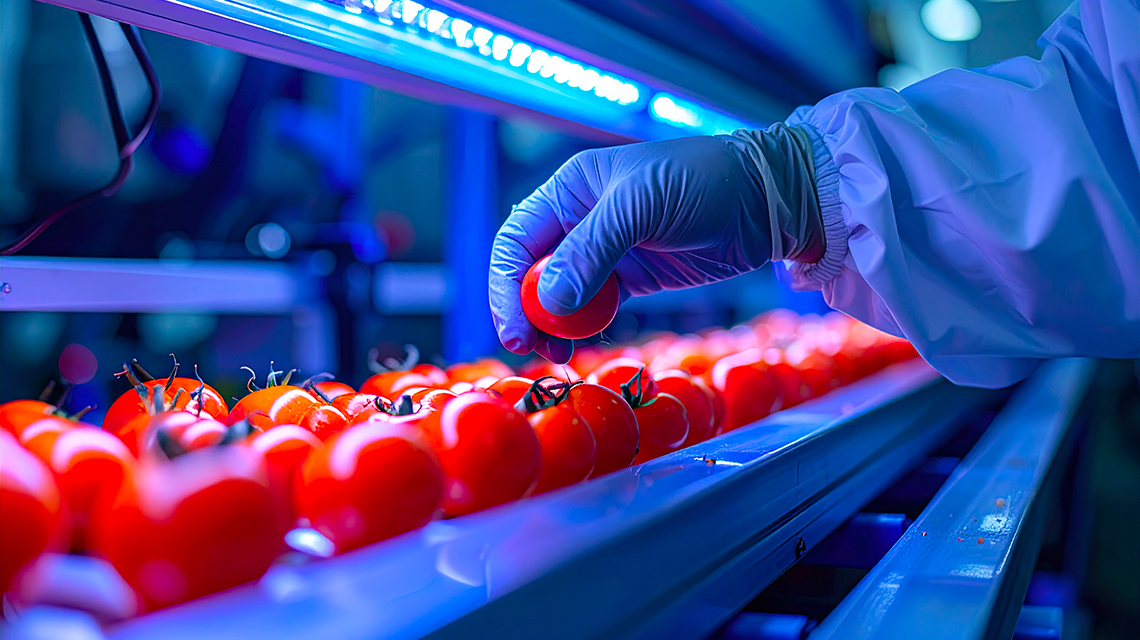
Energy: Solutions to reduce consumption in the fruit juice industry
PEF pulsed electric field technology reduces electricity consumption by 20% and thermal consumption by 60%
A study [1] conducted by ENEA, in collaboration with the Department of Industrial Engineering of the University of Salerno, published in the journal Food, shows that the fruit juice industry could reduce electricity consumption by 20% and thermal consumption by 60% by adopting the innovative PEF pulsed electric field technology [2] with heat recovery from pasteurization
The study analysed various levels of heat recovery efficiency and three different fruit juice preheating temperatures (35°C, 45°C and 55°C) before the PEF treatment, using a medium-sized industrial plant that processes 16.5 million liters of orange juice per year, as a case study. The aim was to assess its energy consumption, economic sustainability and environmental impact compared to traditional HTST (High Temperature Short Time) pasteurization, characterized by high temperature and short duration.
"The adoption of more efficient and sustainable technologies is essential to reduce energy consumption and dependence on gas in the food industry," explained Giovanni Landi, researcher at the ENEA Integrated Solutions for Energy Efficiency Laboratory and co-author of the study with colleagues Miriam Benedetti and Matteo Sforzini and Gianpiero Pataro and Elham Eslami of the University of Salerno. "Non-thermal technologies, like pulsed electric fields," he said "can be an interesting alternative or a possible addition to traditional thermal methods for preserving liquid foods. The most efficient configuration, both from an energy and environmental point of view [3], involves recovering 35% of the waste heat from pasteurized juice, which is used to preheat new fresh juice to 55°C."
In the PEF treatment, fruit juice is exposed to very short, high-intensity electrical pulses that damage the cell membranes of yeasts and pathogenic bacteria, significantly reducing their microbial load. In addition, the PEF technology, which can be easily integrated into existing production lines, preserves product quality, maintaining nutritional value, flavor and color for up to three weeks.
The ENEA-University of Salerno study shows that the main obstacle to the adoption of the PEF technology in the beverage sector is the high initial investment: about 680 thousand euro compared to the 200 thousand euro needed for the most widely used technology today.
"The industrial adoption of the PEF process, especially when combined with moderate heating, represents a key energy-saving system alternative to energy-intensive thermal methods. We have estimated that the unit cost of pasteurization with the PEF treatment is 3.5 cents per liter, compared to 4.2 cents per liter for the traditional thermal process," concluded Landi.
The food and beverage industry experiences high operating costs due to the use of energy-intensive thermal processes like pasteurization, sterilization, drying and cooking, which account for between 20% and 50% of the sector's consumption, with CO₂ emissions and water footprint accounting for 3.6% and 4.4% of the global total, respectively.
Currently, the adoption of the PEF technology in food processing is subject to different regulations and standards regarding food safety and risk assessment [4]. Labeling requirements also influence the adoption of the PEF: in fact, in major markets like the EU and the US, there are no specific labeling requirements for foods treated with this technology.
Notes
[2] This study was funded by ENEA as part of the Electrical System Research Program (Three-Year Implementation Plan 2022–2024), Project 1.6 "Energy efficiency of industrial products and processes", Work Package 2 "Studies and solutions for the efficiency and optimization of industrial processes, districts and supply chains", funded by the Ministry of the Environment and Energy Security. The University of Salerno is a co-beneficiary of a specific research activity within WP2.
[3] Reduction of greenhouse gas emissions by about 30% and water consumption by 25%, compared to conventional HTST heat treatment for pasteurizing orange juice. The latter process operates at 90°C for 15 seconds and includes a heat recovery stage as an energy-saving strategy.
[4] In the European Union, innovative food technologies are governed by Regulation (EU) 2015/2283 on novel foods, under the supervision of the European Food Safety Authority (EFSA) and the European Commission. Foods treated with the PEF, for example, can be considered "novel foods" if the process significantly changes the structure or composition of the product. In these cases, prior marketing authorization is required, with a thorough assessment of safety, nutritional value and consumer perception.