Italian National Agency for New Technologies, Energy and Sustainable Economic Development

MEDIA - Press office ENEA
Environment: Over a third of ‘Sea Balls’ contain plastic
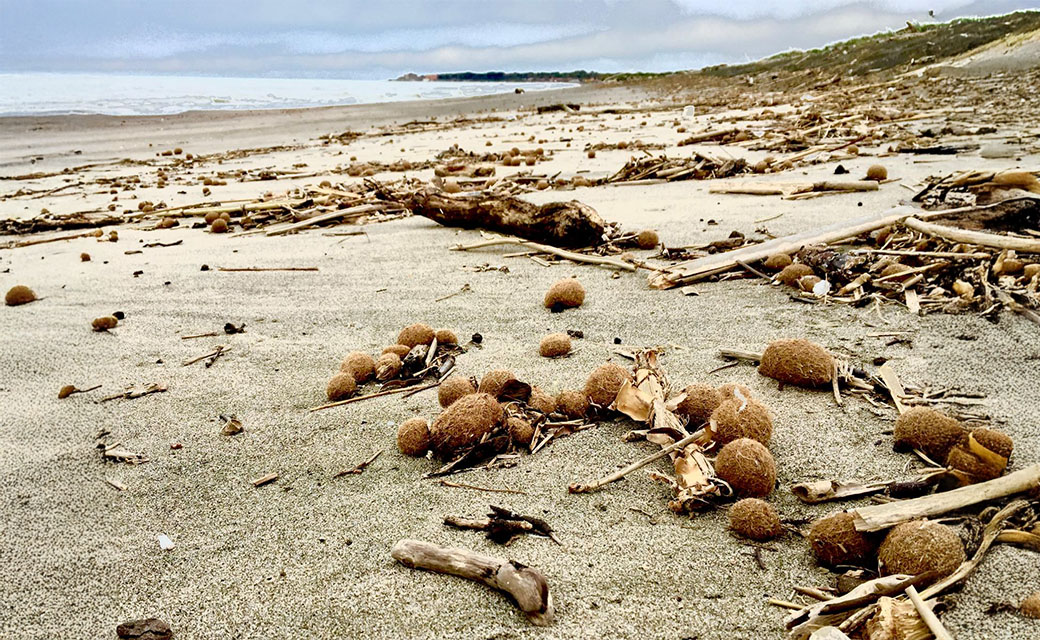
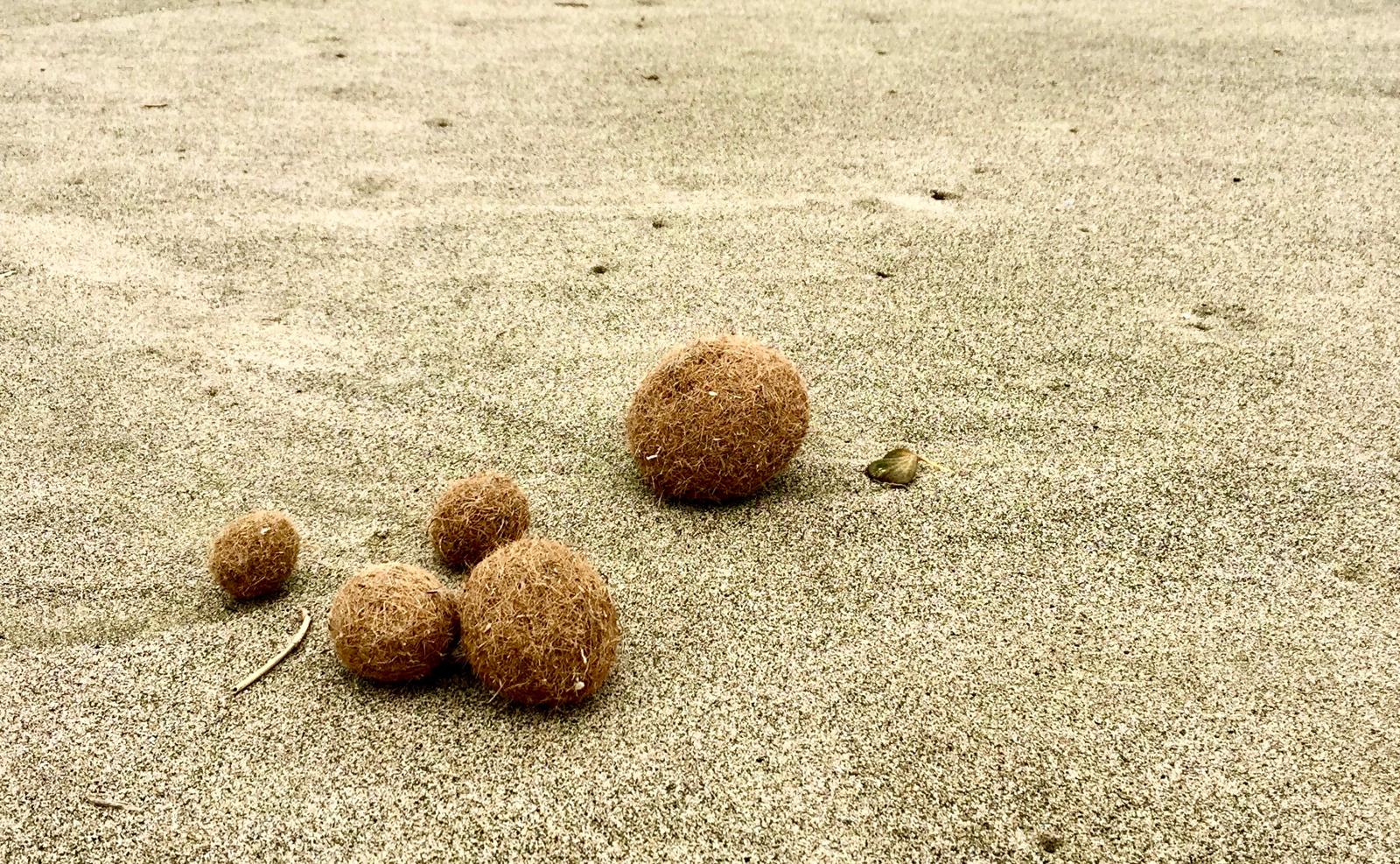
A study conducted by ENEA across 13 sites along the Lazio coast, which analysed the structure and contents of 1,300 Posidonia oceanica balls, known as Aegagropile and commonly referred to as “sea balls”- endemic on Mediterranean beaches- showed they are indicators of microplastic pollution in the seas: more than one in three balls contain plastic particles, nearly half of which is smaller than 5 millimeters, with a clear prevalence of synthetic fibers when found near wastewater treatment plants, demonstrating anthropogenic pressures on the coast. The study was published in the international journal Environments (MDPI)[1].
The results show that 34.9% of the spheres contain plastic fragments, for a total of 1,415 identified particles, with an average of 3.1 items per sphere. In terms of size, 48.7% of the materials found consist of microplastics (smaller than 5 millimeters), followed by mesoplastics (29.6%) and macroplastics (21.9%).
Morphological analysis showed a clear prevalence of synthetic filaments and fibers, while the most common polymers include nylon and polyethylene terephthalate (PET)—the latter widely used for food and beverage packaging—followed by polyethylene and polypropylene.
Spectroscopic analyses also revealed clear signs of chemical degradation, indicating that most microplastics result from the fragmentation of larger materials, confirming their secondary origin.
Among the most significant findings is the strong correlation between the presence of microfibers in the spheres and the proximity to wastewater treatment plants: these treatment systems, in fact, only partially retain the synthetic microfibers released during domestic laundry, allowing them to reach the sea where they settle on the seabed.
“Aegagropiles form naturally when fibrous residues of Posidonia are shaped by currents on the seabed and trap debris and plastics present in the sediment” explained Patrizia Menegoni at the ENEA Laboratory of Biodiversity and Ecosystems. “In practice,” she adds, “they function as natural traps that, without resorting to complex techniques or invasive sampling, are able to concentrate the plastics present on the seabed, providing us with a clear indication of the state of contamination of the coastal ecosystem.”
From a methodological standpoint, the monitoring protocol includes manual collection on beaches, opening the spheres, microscopic examination and identification of polymers using standardized techniques.
“The innovative aspect is the method’s transferability, which can be easily replicated by environmental laboratories and local agencies. Low costs, standardized procedures and the potential for large-scale application make monitoring easily accessible and comparable over time and space” pointed out Loris Pietrelli, a member of Legambiente’s Scientific Council, former ENEA researcher and co-author of the study.
“In the Mediterranean, considered one of the basins most exposed to plastic pollution, Posidonia oceanica seagrass beds—already essential for oxygenation, sediment stabilization and carbon sequestration—are valuable allies in environmental monitoring, acting as natural, low-cost indicators capable of revealing just how deeply plastic has now become embedded in marine ecological” concluded Menegoni.
Notes
[1]Environments (MDPI, an international peer-reviewed indexed journal), titled:: The Role of Posidonia oceanica Spheroids in Assessing Microplastic Contamination in Coastal Ecosystems (Environments 2026, 13(2), 71; DOI: 10.3390/environments13020071)