Italian National Agency for New Technologies, Energy and Sustainable Economic Development

MEDIA - Press office ENEA
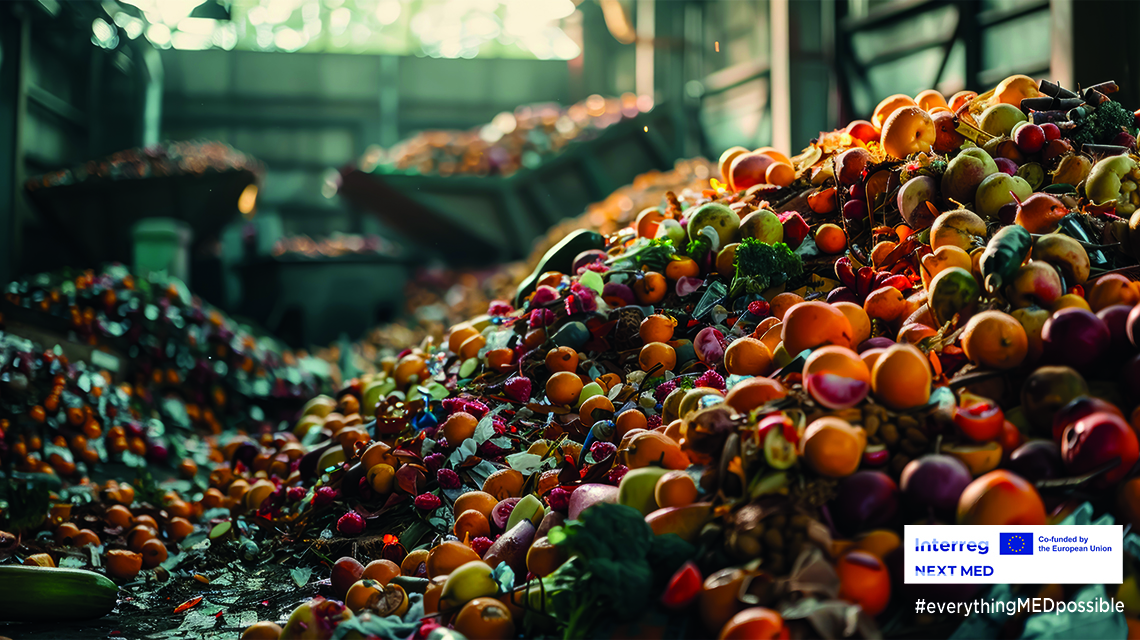
Environment: ENEA, new solutions for organic waste management
New solutions for organic waste management in Mediterranean countries will be developed and tested as part of the €2.5 million European MEDWISE [1] project, involving seven partners from six countries i[2], including ENEA and the University of Catania (coordinator) for Italy.
“ENEA plays a key role in achieving the objectives, leading the implementation of the circular economy and industrial symbiosis to save resources, reduce emissions, and create green jobs” pointed out Antonella Luciano, MEDWISE manager for ENEA and researcher at the Sustainability Department.
MEDWISE brings together research centers and private actors to tackle the growing waste crisis, especially concerning organic waste, in Mediterranean countries where it is still disposed of in landfills. I twill focus on three areas until 2028: decentralized composting systems for waste recovery and compost production; development of industrial symbiosis among supply chains to ensure more sustainable organic waste management; an AI app for food waste prevention. Decentralized composting solutions will be implemented in Spain and Lebanon, while industrial symbiosis activities and food waste prevention and reduction initiatives will be carried out in all partner countries.
“MEDWISE is not limited to laboratory testing, but aims to find solutions that can be applied in real life, adapting them to the different territorial and social contexts of the countries involved” said Antonella Luciano. “The project” she concluded “encourages local authorities, businesses, researchers and students to adopt circular practices. Through training and awareness-raising initiatives, it aims to contribute to a culture of sustainability, demonstrating that waste can be a significant opportunity for innovation and competitive advantage”.