Italian National Agency for New Technologies, Energy and Sustainable Economic Development

MEDIA - Press office ENEA
Environment: ENEA-MASE signed agreement to combat PFAS pollution
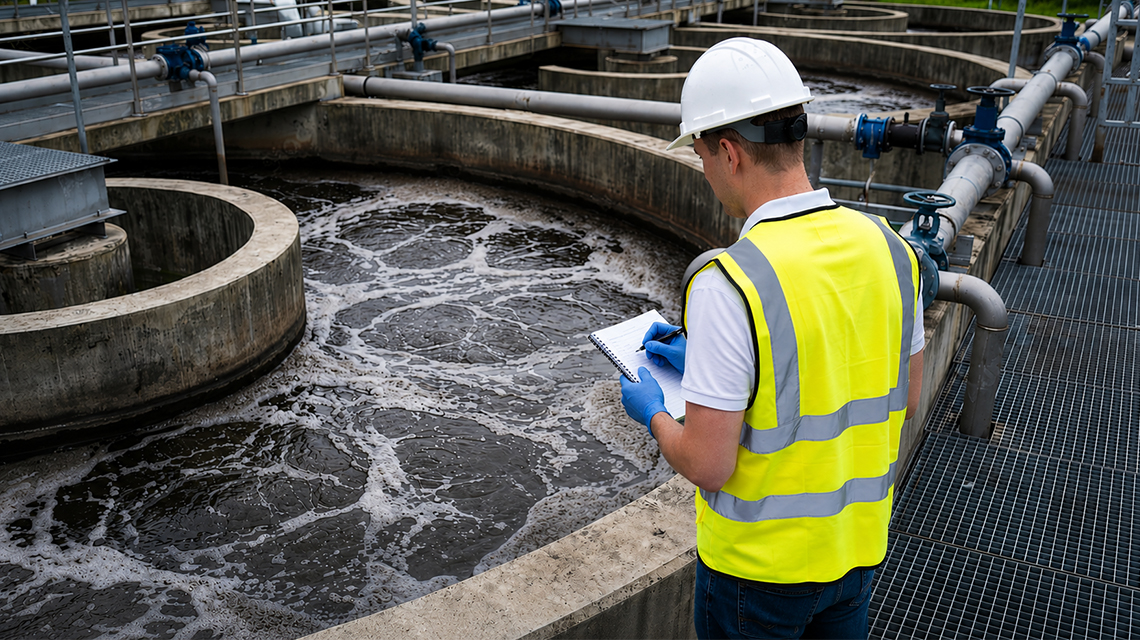
ENEA and the Ministry of the Environment and Energy Security (MASE) have signed a collaboration agreement for the monitoring and research of PFAS [1], highly polluting chemical substances, in wastewater and sewage sludge. Funded with 2.5 million euro, the agreement also involves: ISPRA (with the support of the National Environmental Protection System - SNPA) for various environmental matrices, including water and soil; the National Institute of Health (ISS) for air and surface and groundwater; the CNR Water Research Institute (Cnr-Irsa) for surface and groundwater and landfill leachate.
As part of the agreement with MASE, ENEA will carry out three lines of activity through the Sustainability Department, coordinated by researcher Barbara Benassi at the Biotechnology Division and implemented in synergy with the Divisions of Circular Economy and Anthropogenic Impacts on the Territory.
The first line of activity envisages an analysis of the presence of PFAS in wastewater and sewage sludge, broken down by class of molecules, matrix and geographical area, at national and European level and an assessment of current removal and abatement technologies, with a primary focus on their effectiveness on the different molecules. Among the technologies examined for the removal of PFAS, a focus will be dedicated to incineration[2].
The second line of activity consists of the development and validation of innovative bioremediation technologies for the removal of PFAS from wastewater from treatment plants. “Initially we will focus on PFAS monitoring methods and on the selection and characterization of microbial consortia potentially capable of degrading them” explained Barbara Benassi of ENEA. “Subsequently - she continued - the bioremediation process will be applied and validated on real samples from different treatment plants”.
In the third line of activity, the ENEA team will assess the toxicological effects of PFAS on the environment and people. A significant part of the activity will concern the assessment of the environmental risk associated with the reuse of wastewater in agriculture and the potential impact on human health associated with indirect exposure to PFAS through food irrigated with such water.
“PFAS pollution is a major new challenge for safeguarding clean water, due to their persistence, environmental mobility and bioaccumulation capacity. These results will make it possible to assess the risk to ecosystems and humans and to provide a comprehensive overview of the effects associated with the presence of PFAS in wastewater” Benassi said.
PFAS are a large family of synthetic chemicals, widely used in industrial processes and in many everyday products, like non-stick cookware, food packaging (including pizza boxes), water-repellent clothing and firefighting foams. Precisely because of the high levels of industrialization, in Italy the regions most affected are Veneto, Lombardy and Piedmont, although the phenomenon is nationwide.
Their use is linked to their highly chemically stable properties, which make them resistant to water, grease and high temperatures. It is precisely this stability, due to the strength of the carbon-fluorine bond, that renders them highly resistant to degradation. For this reason, they are often referred to as forever chemicals, that is, “eternal substances”, because they can persist for very long periods without degrading. PFAS therefore tend to spread through water, soil, sediments, wastewater and sewage sludge and can accumulate in the tissues of living organisms and along the food chain.
In accordance with the new limit values for drinking water introduced by the update to the European directive, starting in 2026 the EU Commission requires Member States to monitor PFAS levels in a harmonized manner.
Notes
[1] PFAS, per- and polyfluoroalkyl substances.
[2] Thermal destruction (high-temperature incineration) is the most established and available technology for the complete destruction of PFAS. However, its effectiveness depends on very stringent operating conditions: high temperatures and adequate residence times are essential to ensure complete degradation. Otherwise, toxic by-products or incomplete combustion products may form. The process is therefore complex and still poorly studied on a real-world scale, since much of the available research is based on laboratory eperiments.