Italian National Agency for New Technologies, Energy and Sustainable Economic Development

MEDIA - Press office ENEA

Energy: ENEA for a zero-emissions building stock
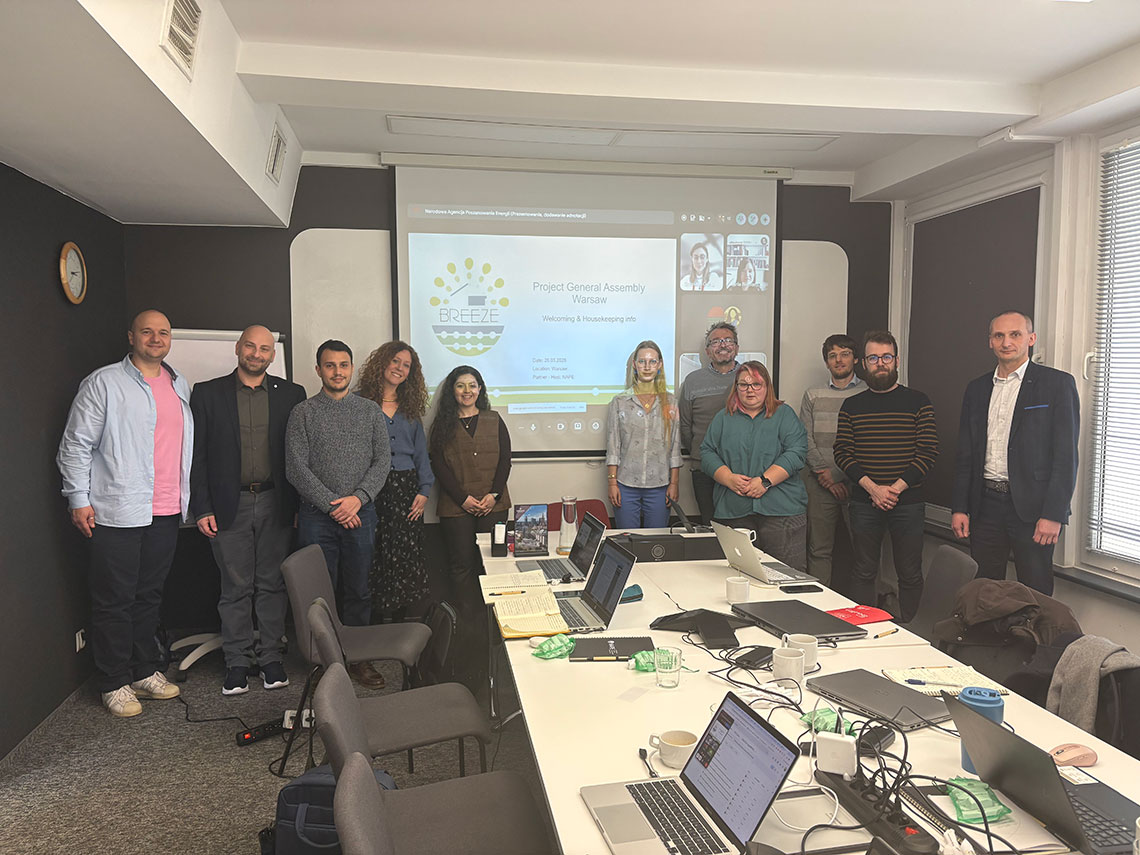
Accelerating the transition to zero-emissions buildings by supporting the implementation of the European EPBD Directive on the energy performance of buildings, known as “Green Homes” is the goal of the European BREEZE [1] project, comprising eight partners from seven European countries, including ENEA [2].
“To achieve decarbonization goals, the rate of renovation is still insufficient, and for the EPBD to be applied uniformly across Europe, operational tools, shared methodologies and reliable data are needed,” explained Francesca Caffari, a researcher at the ENEA Laboratory for Energy Efficiency in Buildings and Urban Development. Hence the objective of BREEZE and ENEA role: to collect and harmonize information on the building stock in three pilot countries (Italy, France, and Poland), develop open-source tools to plan renovation scenarios and extend the results to other European countries.
As part of the project, ENEA will develop a replicable method for defining renovation scenarios for the residential building stock, supporting Member States in drafting the National Building Renovation Plans required by the EPBD. “The ability to engage stakeholders, thereby promoting the adoption of the tools and methodologies developed, will be crucial to ensuring the project has a significant impact” said Caffari.
The BREEZE project’s activities include the development of guidelines for integrating photovoltaic systems into building renovations and the assessment of indoor environmental quality, using indicators and protocols that take into account the comfort and health of occupants and energy efficiency.
The project, in line with European policies, the Green Deal, the Fit for 55 package and the REPowerEU plan, creates synergies with other EU programs to contribute to energy and environmental goals and facilitate the energy transition.

Notes
[1] Building Renovation Efforts for Zero Emission Buildings.
[2] The other partners are: WIP Renewable Energies (Germania), EURAC Research (Italia), SolarPower Europe (Belgio), CSTB - Centre Scientifique et Technique du Bâtiment (Francia), NAPE - National Energy Conservation Agency (Polonia), EPB Center - Energy Performance of Buildings Standarts (Paesi Bassi), DTU – Technical University of Denmark (Danimarca).