Italian National Agency for New Technologies, Energy and Sustainable Economic Development

MEDIA - Press office ENEA
Environment: Alternative proteins for sustainable nutrition
The €5.3 million European project PROTEIN4IMPACT [1] involving 18 partners from 13 European countries, including ENEA, CNR, and Consorzio In.Bio for Italy, will develop novel protein foods (NPF [2] )
from unconventional sources like agri-food by-products, fungi, bacteria, insects and algae. The project aims to assess the nutritional, health, safety and quality characteristics of NPFs derived from unconventional sources, while analyzing their environmental and socioeconomic impact.
“Protein consumption is essential for human nutrition and health. However, the traditional production model, heavily reliant on large-scale livestock farming, entails environmental and social costs that require an alternative”, explained ENEA project coordinator Antonio Molino, a researcher at the Sustainability Department.
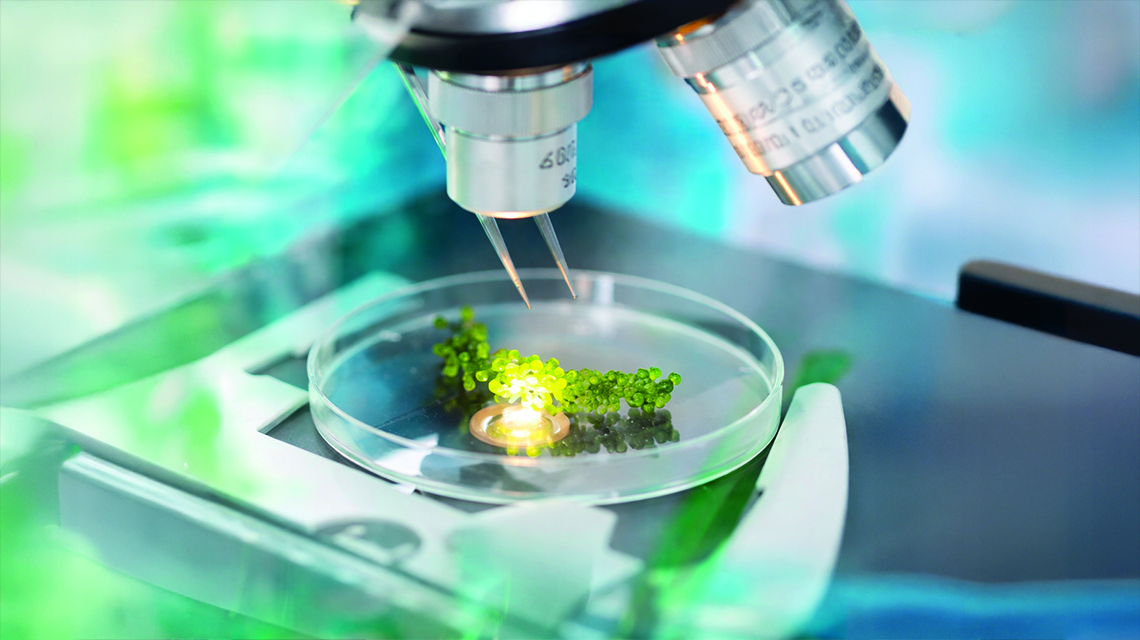
To create protein flours, ENEA will breed insects, in particular Tenebrio molitor and Alphitobius diaperinus, using unconventional diets based on agro-industrial waste, with the aim of evaluating innovative solutions for sustainable protein production. In addition, microalgae will be cultivated under specific conditions, designed to achieve high protein content of the biomass.
In addition, ENEA will be responsible for recovering the protein and lipid fractions of fish waste that are particularly rich in Omega-3 fatty acids, especially DHA, which is already widely used as a dietary supplement for cardiovascular health and neurological development, both during pregnancy and in infant formula. The activities are carried out at the ENEA Portici Research Center (Naples), Casaccia Center (Rome) and Trisaia Center (Matera) and involve a team of about 15 expert researchers in the field.
“Thanks to these activities, ENEA contributes to the development of innovative solutions based on resource recovery and the efficient use of raw materials, strengthening the role of Italian public research in the transition to more sustainable food systems, where these new protein sources can help reduce environmental impact compared to traditional ones”, concluded Molino.
ENEA staff from the Sustainability Department involved in the project, coordinated by Antonio Molino: Marco Iannaccone and Patrizia Casella (protein flour production); Stefania Moliterni and Simona Errico (insect farming); Vincenzo Larocca, Gian Paolo Leone and Maria Martino (supercritical fluid extraction technologies).